Body parts in Spanish: word list with pictures
30 words · tap 🔊 to hear each one in Spanish.
| Picture | English | Spanish | Say it | Listen |
|---|---|---|---|---|
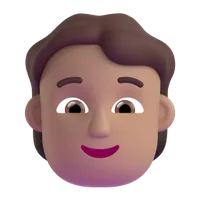 | Head | Cabeza | ||
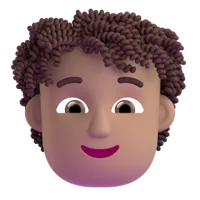 | Hair | Pelo | ||
 | Face | Cara | ||
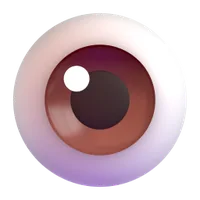 | Eye | Ojo | ||
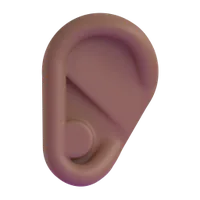 | Ear | Oreja | ||
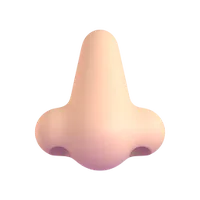 | Nose | Nariz | ||
 | Mouth | Boca | ||
 | Lips | Labios | ||
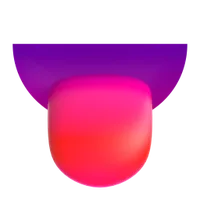 | Tongue | Lengua | ||
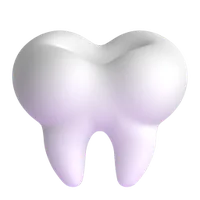 | Teeth | Dientes | ||
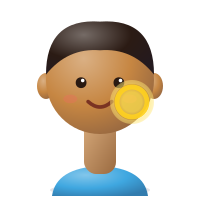 | Cheek | Moflete | ||
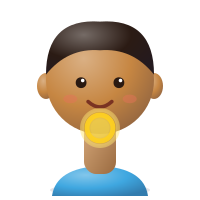 | Chin | Barbilla | ||
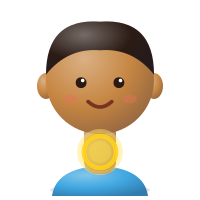 | Neck | Cuello | ||
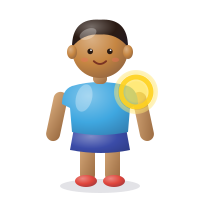 | Shoulder | Hombro | ||
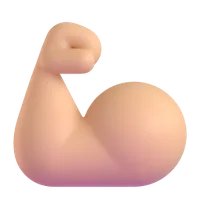 | Arm | Brazo | ||
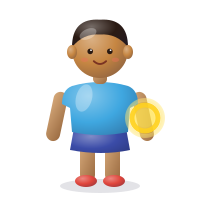 | Elbow | Codo | ||
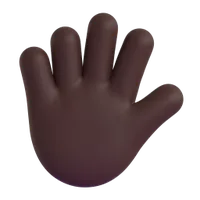 | Hand | Mano | ||
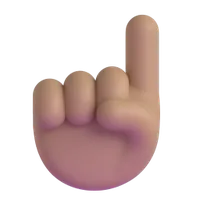 | Finger | Dedo | ||
 | Thumb | Pulgar | ||
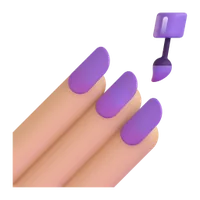 | Nail | Uña | ||
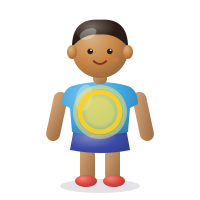 | Tummy | Tripa | ||
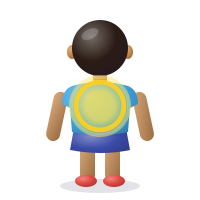 | Back | Espalda | ||
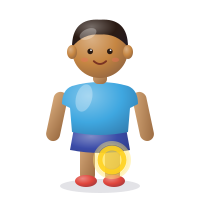 | Knee | Rodilla | ||
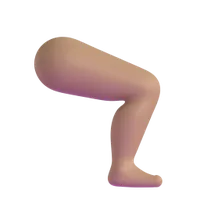 | Leg | Pierna | ||
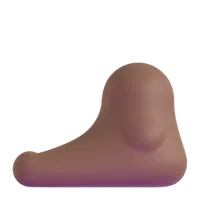 | Foot | Pie | ||
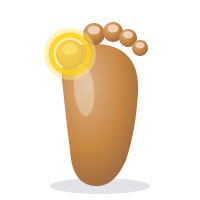 | Toe | Dedo del pie | ||
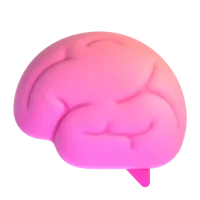 | Brain | Cerebro | ||
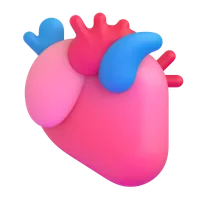 | Heart | Corazón | ||
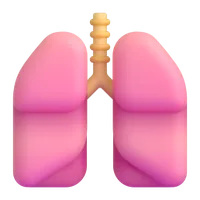 | Lungs | Pulmones | ||
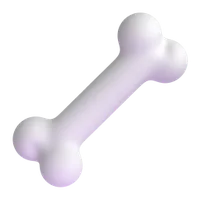 | Bones | Huesos |
Body parts in Spanish are words children can learn with their whole body: touch, wiggle, point and giggle. This page has 30 body parts with pictures and clear audio, from la cabeza (head) and los ojos (eyes) to la rodilla (knee) and el pie (foot), plus inside parts like el corazón (heart) and los huesos (bones). Tap a picture to hear it in Spanish and English, then play Find it.
Parts of the face in Spanish
Start with the face, because your child can see it in a mirror: la cara (face), los ojos (eyes), la nariz (nose), la boca (mouth), las orejas (ears), el pelo (hair), los labios (lips), los dientes (teeth), la lengua (tongue), el moflete (cheek) and la barbilla (chin). Sit together in front of a mirror and play: "¿Dónde está tu nariz?" ("Where is your nose?"). Toddlers love pointing to their own nose and then to yours.
Arms, legs and the rest of the body
Next come the big parts: el cuello (neck), el hombro (shoulder), el brazo (arm), el codo (elbow), la mano (hand), el dedo (finger), el pulgar (thumb), la uña (nail), la tripa (tummy), la espalda (back), la pierna (leg), la rodilla (knee) and el pie (foot). Spanish has one word, dedo, for both finger and toe; a toe is el dedo del pie, "the finger of the foot". Children enjoy that.
For older children, the list also includes inside parts: el cerebro (brain), el corazón (heart), los pulmones (lungs) and los huesos (bones). Put your child's hand on their chest after running and say "¡Escucha tu corazón!"
Two small grammar notes for grown-ups
- La mano is feminine even though it ends in -o. It is a famous exception, so say it as a pair: la mano.
- Spanish uses "the" instead of "my" for the body. A Spanish child says "Me duele la cabeza" ("The head hurts me"), not "my head hurts", and "Lávate las manos" ("Wash the hands"). Using these phrases daily teaches real, natural Spanish.
| Everyday phrase | Meaning | When to use it |
|---|---|---|
| Lávate las manos | Wash your hands | Before meals |
| Cepíllate los dientes | Brush your teeth | Morning and bedtime |
| Me duele la tripa | My tummy hurts | Helps a child say what is wrong |
| Abre la boca | Open your mouth | Eating, the dentist |
| Choca esos cinco | High five | Praise and fun |
Songs and games for body parts in Spanish
The Spanish version of "Head, shoulders, knees and toes" is "Cabeza, hombros, rodillas y pies", and it goes "…ojos, orejas, boca y nariz". Sing it slowly, then faster and faster. "Simón dice" is Simon Says: "Simón dice: tócate la nariz" ("Simon says: touch your nose"). Another favourite for babies is "Cinco lobitos", a finger rhyme about five little wolves, one on each finger, which also practises counting on the numbers in Spanish page.
At bath time, name each body part as you wash it: "Ahora los pies… ahora la espalda." It is five minutes of Spanish you already have every day.
What to expect by age
At 2-3, children point to 5-8 body parts when you name them, usually eyes, nose, mouth, hands and feet. At 3-4, they name 10-15 parts and can follow instructions like "Levanta la mano". At 4-5, they learn elbows, shoulders and knees and use "me duele…" to say what hurts. At 5-6, children are curious about the heart, lungs and bones and can read short words like pie, ojo and boca.
Knowing the names of body parts also helps with safety: a child who can say where it hurts can tell a teacher or doctor. Teach the correct names for private parts too, in whichever language you are comfortable, as children's safety experts recommend. For English and Hindi, try body parts name in Hindi and English. Families from Latin America may prefer the Latin American Spanish pack, where, for example, tummy is panza and cheek is cachete.
Las partes del cuerpo para niños
En esta página hay 30 partes del cuerpo con dibujo y audio: la cabeza, la cara, los ojos, la nariz, la boca, las manos, las piernas, los pies y también el corazón, los pulmones y los huesos.
La mejor forma de aprenderlas es moviéndose. Canten "Cabeza, hombros, rodillas y pies", jueguen a "Simón dice" y nombren cada parte del cuerpo durante el baño. Enseñe también frases útiles como "me duele la tripa", para que su hijo pueda decir qué le pasa.
How to use this page at home
Say it, then find it
Play for a few minutes, then look for the same thing away from the screen: spanish words on the shelf, in the kitchen, on the way to school. A child learns a word properly when they meet it twice, once on the screen and once in their hand.
Ten minutes is enough
Short and happy beats long and tired. Stop while your child still wants more, and come back tomorrow: the same page on five short days teaches far more than one long sitting. Nothing here is scored, so there is no reason to push.
Use both languages
Tap the language button at the top to hear the words in your home language first and the second language after. Hearing the same picture named in two languages is one of the few things research agrees builds attention as well as vocabulary.