Portuguese (Portugal) alphabet chart with pictures
26 letters · tap 🔊 to hear each one.
| Picture | Letter | Word | Meaning | Listen |
|---|---|---|---|---|
 | A | abelha | bee | |
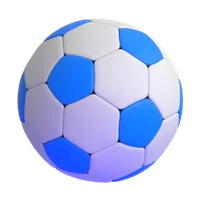 | B | bola | ball | |
 | C | casa | house | |
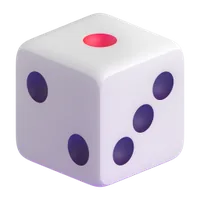 | D | dado | dice | |
 | E | elefante | elephant | |
 | F | foca | seal | |
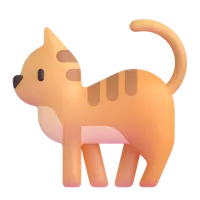 | G | gato | cat | |
 | H | hipopótamo | hippo | |
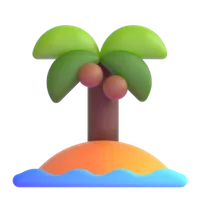 | I | ilha | island | |
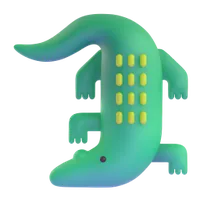 | J | jacaré | caiman | |
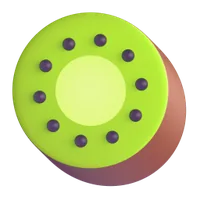 | K | kiwi | kiwi | |
 | L | leão | lion | |
 | M | macaco | monkey | |
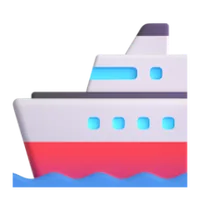 | N | navio | ship | |
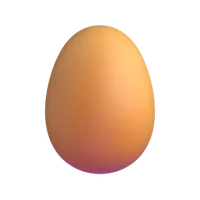 | O | ovo | egg | |
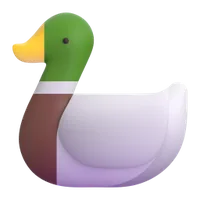 | P | pato | duck | |
 | Q | queijo | cheese | |
 | R | rato | mouse | |
 | S | sapo | frog | |
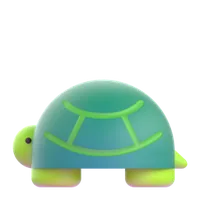 | T | tartaruga | turtle | |
 | U | uva | grapes | |
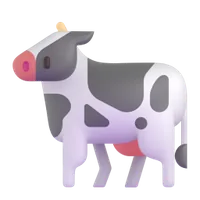 | V | vaca | cow | |
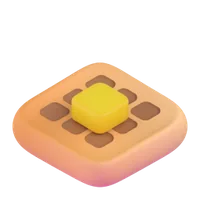 | W | waffle | waffle | |
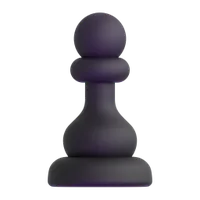 | X | xadrez | chess | |
 | Y | yoga | yoga | |
 | Z | zebra | zebra |
The European Portuguese alphabet has 26 letters, the same A to Z your child may already know from English. What changes is the sound of each letter and the little marks on top. On this page every letter has a picture word, the same one a child might see on a classroom chart in Portugal: A de abelha (bee), B de bola (ball), C de casa (house). Tap a card to hear the letter and its word in clear audio, then play Find it when your child knows a few.
How many letters are in the Portuguese alphabet?
Today there are 26. For a long time the Portuguese alphabet had only 23, because K, W and Y were used just for foreign words. The spelling agreement known as the Acordo Ortográfico of 1990, which Portugal put into full use in the 2010s, officially brought them back. That is why the chart uses borrowed words for them: kiwi, waffle and yoga. Children meet these three letters mostly in names and brands, so do not spend long on them.
Letter names in Portugal
Children in Portugal learn to call the letters by names that differ from English. The vowels are simple: a, é, i, ó, u. Most consonants add a vowel sound, like bê, cê, dê. A few are worth knowing because they surprise English speakers:
| Letter | Name in Portugal | Tip |
|---|---|---|
| H | agá | Silent at the start of a word: hipopótamo starts with an "i" sound |
| J | jota | Sounds like the "s" in "measure" |
| K | capa | Brazil usually says "cá" |
| W | dâblio or duplo vê | Only in borrowed words |
| X | xis | Often "sh", as in xadrez (chess) |
| Y | ípsilon | Also called i grego |
| R | erre | At the start of a word it is strong, as in rato |
Start with the vowels, as Portuguese schools do
Most Portuguese families and teachers begin with as vogais: a, e, i, o, u. On the chart they are abelha, elefante, ilha, ovo and uva. After the vowels come syllable families, the família silábica: pa, pe, pi, po, pu, then ma, me, mi, mo, mu. Children who can blend pa and to can suddenly read pato (duck), which is on the P card. This comes at about five or six, at the end of pré-escolar and in the 1.º ano. For three- and four-year-olds, the goal is just to enjoy the sounds and spot the first letter of their own name.
A word about the vowels in Portugal: when they are not stressed they become very soft. In elefante only the "a" is stressed, so the other vowels sound light and short. Do not worry if your child's spoken word sounds shorter than the written one. That is simply how Portugal speaks.
Accents, the cedilla and the til
Portuguese adds marks to show stress and sound. The acute accent (é, ó, á) shows an open, stressed vowel; the circumflex (ê, ô) a closed one, as in três. The til (ã, õ) makes a nasal sound, which children love to exaggerate: leão (lion) is on the L card. The cedilla turns C into an "s" sound: maçã (apple). No word starts with Ç, so it has no card of its own; point it out when you meet maçã on the fruits in European Portuguese page.
Three letter pairs make one sound each and are worth a mention with older children: lh (as in abelha), nh (as in galinha) and ch (as in chave, key).
How to use this alphabet page
- Listen first. Tap four or five letters, including the first letter of your child's name.
- Find it. Golu asks for a letter; your child taps it. A wrong tap is never called wrong: the letter tapped is named and the right card glows.
- Memory. Match the pairs. Each finished round adds a marble to the Goli Jar.
- Letter hunt. Look for the day's letter on cereal boxes, street signs and shop names on the way to the jardim de infância.
- Print it. There is no PDF, but you can print this page from your browser and use the letter cards for tracing or colouring.
Many chart words are animals. When your child loves G de gato or V de vaca, continue on the animals in European Portuguese page.
Portugal and Brazil alphabet charts
The letters are identical in both countries, and most chart words are shared. A couple of cards differ: Brazilian charts often use tatu (armadillo) for T and xícara (cup) for X, while this Portugal chart uses tartaruga (turtle) and xadrez (chess). The bigger difference is the sound. If your family is Brazilian, the Brazilian Portuguese alphabet has the same game with a Brazil accent. For the English ABC, try ABCD for kids.
O alfabeto para crianças
O alfabeto português tem vinte e seis letras. Nesta página cada letra tem uma imagem e uma palavra: A de abelha, B de bola, C de casa, até Z de zebra. Toque numa letra para ouvir o som e a palavra.
Comece pelas vogais, a, e, i, o, u, e depois brinque com as sílabas: pa, pe, pi, po, pu. Procurem letras nas embalagens, nos livros e nos nomes da família. Com calma e muitos elogios, a criança vai reconhecer as letras sem pressa.
How to use this page at home
Say it, then find it
Play for a few minutes, then look for the same thing away from the screen: portuguese (portugal) words on the shelf, in the kitchen, on the way to school. A child learns a word properly when they meet it twice, once on the screen and once in their hand.
Ten minutes is enough
Short and happy beats long and tired. Stop while your child still wants more, and come back tomorrow: the same page on five short days teaches far more than one long sitting. Nothing here is scored, so there is no reason to push.
Use both languages
Tap the language button at the top to hear the words in your home language first and the second language after. Hearing the same picture named in two languages is one of the few things research agrees builds attention as well as vocabulary.