Animals in Portuguese (Portugal): word list with pictures
60 words · tap 🔊 to hear each one in Portuguese (Portugal).
| Picture | English | Portuguese (Portugal) | Say it | Listen |
|---|---|---|---|---|
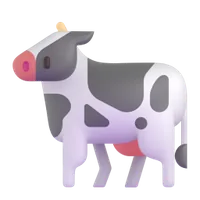 | Cow | Vaca | ||
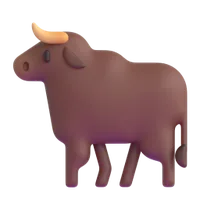 | Bull | Touro | ||
 | Buffalo | Búfalo | ||
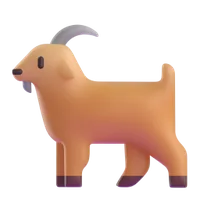 | Goat | Cabra | ||
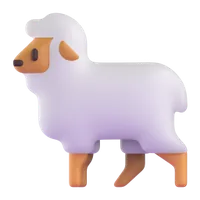 | Sheep | Ovelha | ||
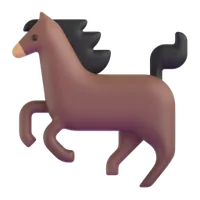 | Horse | Cavalo | ||
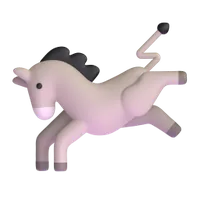 | Donkey | Burro | ||
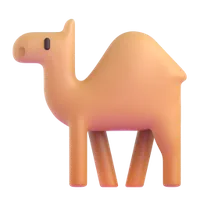 | Camel | Camelo | ||
 | Pig | Porco | ||
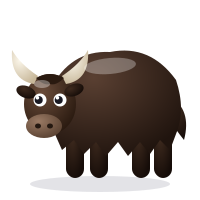 | Yak | Iaque | ||
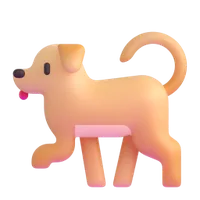 | Dog | Cão | ||
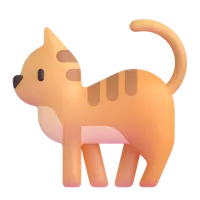 | Cat | Gato | ||
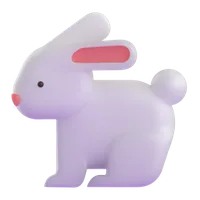 | Rabbit | Coelho | ||
 | Hamster | Hamster | ||
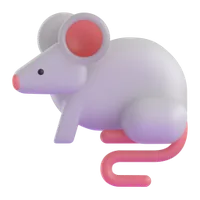 | Mouse | Ratinho | ||
 | Elephant | Elefante | ||
 | Lion | Leão | ||
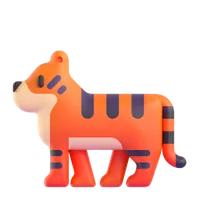 | Tiger | Tigre | ||
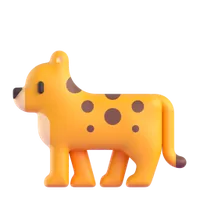 | Leopard | Leopardo | ||
 | Bear | Urso | ||
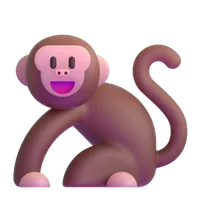 | Monkey | Macaco | ||
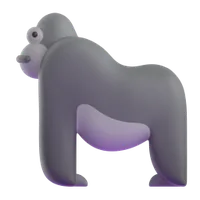 | Gorilla | Gorila | ||
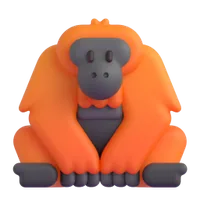 | Orangutan | Orangotango | ||
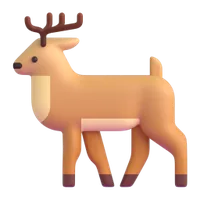 | Deer | Veado | ||
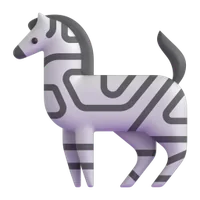 | Zebra | Zebra | ||
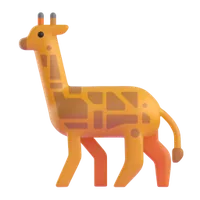 | Giraffe | Girafa | ||
 | Hippo | Hipopótamo | ||
 | Rhino | Rinoceronte | ||
 | Fox | Raposa | ||
 | Wolf | Lobo | ||
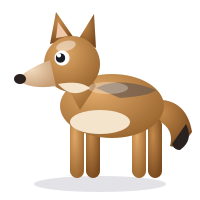 | Jackal | Chacal | ||
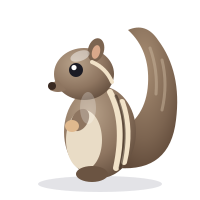 | Squirrel | Esquilo | ||
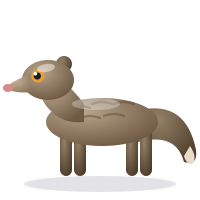 | Mongoose | Mangusto | ||
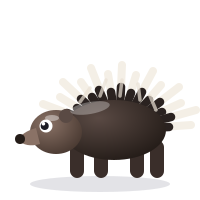 | Porcupine | Porco-espinho | ||
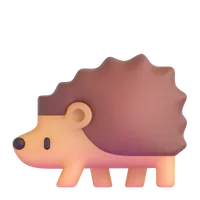 | Hedgehog | Ouriço | ||
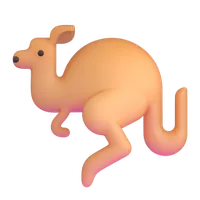 | Kangaroo | Canguru | ||
 | Koala | Coala | ||
 | Panda | Panda | ||
 | Polar Bear | Urso-polar | ||
 | Sloth | Preguiça | ||
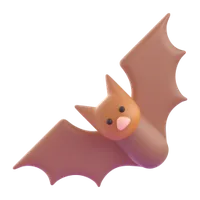 | Bat | Morcego | ||
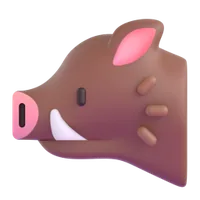 | Wild Boar | Javali | ||
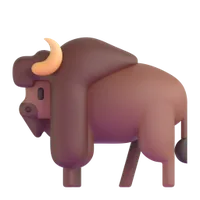 | Indian Bison | Gauro | ||
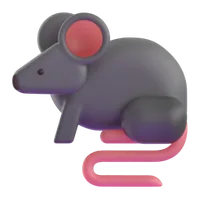 | Rat | Ratazana | ||
 | Fish | Peixe | ||
 | Goldfish | Peixinho-dourado | ||
 | Frog | Rã | ||
 | Whale | Baleia | ||
 | Dolphin | Golfinho | ||
 | Shark | Tubarão | ||
 | Octopus | Polvo | ||
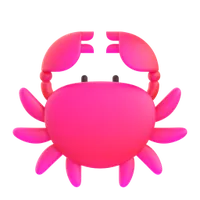 | Crab | Caranguejo | ||
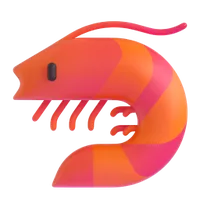 | Prawn | Camarão | ||
 | Squid | Lula | ||
 | Seal | Foca | ||
 | Jellyfish | Medusa | ||
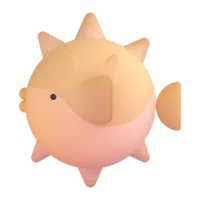 | Pufferfish | Peixe-balão | ||
 | Otter | Lontra | ||
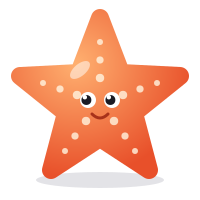 | Starfish | Estrela-do-mar | ||
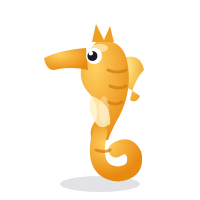 | Seahorse | Cavalo-marinho |
Animals in European Portuguese are a lovely first topic, because every word comes with a picture, a noise to copy and often a story. This page has 60 animals with pictures and clear audio, from the farm (vaca, ovelha, porco) to the savanna (leão, girafa, zebra) and the sea (baleia, polvo, cavalo-marinho). Tap a picture to hear the name in Portuguese and English, then play Find it when a few names feel familiar.
Farm animals and pets: animais da quinta
In Portugal a farm is a quinta, so farm animals are animais da quinta. Start with the ones your child meets in books and on visits to the countryside: vaca (cow), touro (bull), cabra (goat), ovelha (sheep), cavalo (horse), burro (donkey) and porco (pig). At home there are cão (dog), gato (cat), coelho (rabbit), hamster and a tiny ratinho (mouse). These dozen words cover most animals a two-year-old points at.
Why a dog is "cão" in Portugal
This is the difference every Portuguese family notices. In Portugal the dog is o cão, while cachorro or cachorrinho usually means a puppy. In Brazil, cachorro is the everyday word for any dog. A few other animal words change too:
| English | Portugal (this page) | Brazil |
|---|---|---|
| dog | cão | cachorro |
| mouse | ratinho | camundongo or ratinho |
| dog's bark | ão ão | au au |
| farm | quinta | fazenda or sítio |
If your family is Brazilian, the animals in Brazilian Portuguese page uses Brazil's words and accent.
Wild animals and sea animals
Many animais selvagens sound close to English and give quick wins: elefante, tigre, gorila, panda, coala, canguru, zebra. Others are new and fun: macaco (monkey), urso (bear), raposa (fox), lobo (wolf), esquilo (squirrel) and ouriço (hedgehog). The sloth is preguiça, the same word as "laziness", which always gets a laugh.
Portugal has a long coast, so animais do mar matter here: peixe (fish), golfinho (dolphin), tubarão (shark), polvo (octopus), lula (squid), caranguejo (crab), camarão (prawn), medusa (jellyfish) and estrela-do-mar (starfish). Dolphins live in the Sado estuary near Setúbal, and whales pass the Azores, so these are real animals, not just storybook ones.
Animal sounds and baby animals
Animals "speak" Portuguese too. The cow says muuu, the sheep and goat méééé, the pig oinc oinc, the dog ão ão, the cat miau and the frog croac. Make the sound, let your child find the animal in Find it, then compare with our English animal sounds game.
Portuguese makes baby words with -inho: gatinho (kitten), coelhinho, ursinho, leãozinho. Some babies have their own name, such as vitelo (calf), cordeirinho (lamb) and girino (tadpole). Homes have names too: the horse sleeps in an estábulo (stable) and the fox in a toca (den).
Why some animals have "o" and others "a"
Every Portuguese noun is masculine or feminine, and you hear it in the little word in front: o gato, a vaca. Many animals have both forms, o gato / a gata, o lobo / a loba, while others keep one word, like a girafa or o tubarão. You do not need to explain it. Just say the article every time ("Olha, o elefante!") and your child absorbs the pattern.
How to teach animal names at home
- Five at a time. Choose five animals and play Listen for two minutes.
- Toy box hunt. Spread toy animals on the floor and ask "Onde está o cavalo?" (Where is the horse?).
- Move like them. Say "Sou um macaco!" and jump about. Take turns.
- On a walk. Name every cão, gato and pombo you pass.
- Letters. Animals fill the European Portuguese alphabet: G de gato, V de vaca, Z de zebra.
A two- or three-year-old may know 5-10 animals, mostly pets and farm animals. At four, many children sort them into farm, wild and sea. At five and six they can say "O leão é grande" and read short names like pato and foca. Let shy children point first; talking follows understanding. For Hindi and English names, see animals name.
Os animais para crianças
Nesta página há sessenta animais com imagem e som: animais da quinta como a vaca, a ovelha e o cavalo; animais selvagens como o leão, o tigre e o elefante; e animais do mar como a baleia, o golfinho e o polvo.
Para aprender os nomes, brinquem poucos minutos de cada vez, imitem os sons (ão ão, miau, muuu) e procurem animais nos livros, no parque e no jardim zoológico. Diga sempre o artigo, o gato ou a vaca, e a criança aprende sem esforço.
How to use this page at home
Say it, then find it
Play for a few minutes, then look for the same thing away from the screen: portuguese (portugal) words on the shelf, in the kitchen, on the way to school. A child learns a word properly when they meet it twice, once on the screen and once in their hand.
Ten minutes is enough
Short and happy beats long and tired. Stop while your child still wants more, and come back tomorrow: the same page on five short days teaches far more than one long sitting. Nothing here is scored, so there is no reason to push.
Use both languages
Tap the language button at the top to hear the words in your home language first and the second language after. Hearing the same picture named in two languages is one of the few things research agrees builds attention as well as vocabulary.