Body parts in Swahili: word list with pictures
30 words · tap 🔊 to hear each one in Swahili.
| Picture | English | Swahili | Say it | Listen |
|---|---|---|---|---|
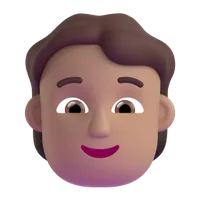 | Head | kichwa | ||
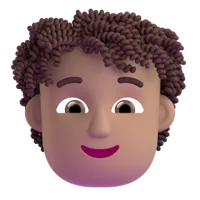 | Hair | nywele | ||
 | Face | uso | ||
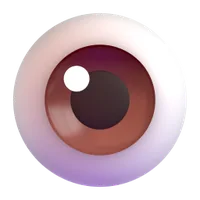 | Eye | jicho | ||
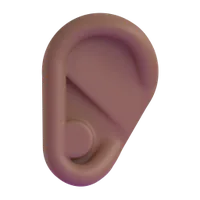 | Ear | sikio | ||
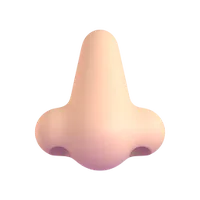 | Nose | pua | ||
 | Mouth | mdomo | ||
 | Lips | midomo | ||
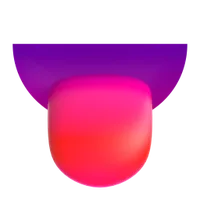 | Tongue | ulimi | ||
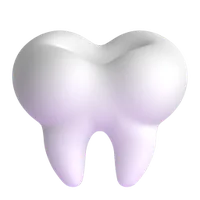 | Teeth | meno | ||
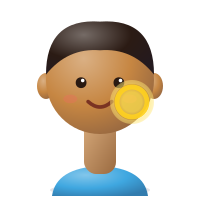 | Cheek | shavu | ||
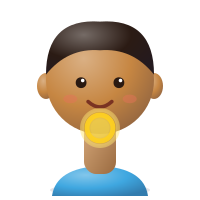 | Chin | kidevu | ||
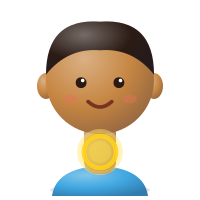 | Neck | shingo | ||
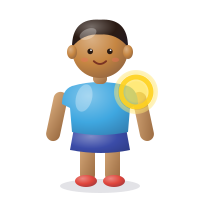 | Shoulder | bega | ||
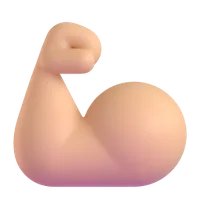 | Arm | mkono | ||
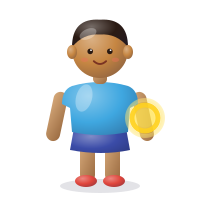 | Elbow | kiwiko | ||
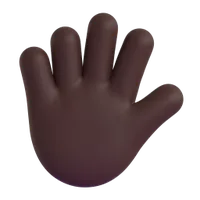 | Hand | kiganja | ||
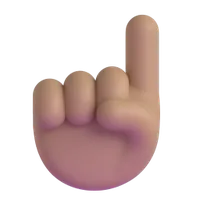 | Finger | kidole | ||
 | Thumb | kidole gumba | ||
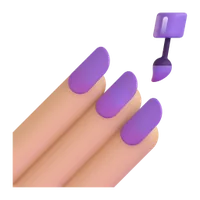 | Nail | kucha | ||
 | Tummy | tumbo | ||
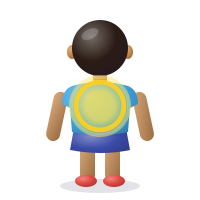 | Back | mgongo | ||
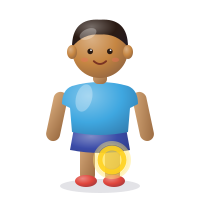 | Knee | goti | ||
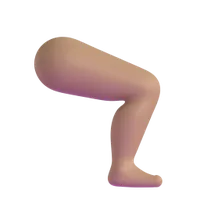 | Leg | mguu | ||
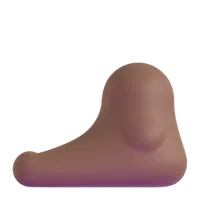 | Foot | wayo | ||
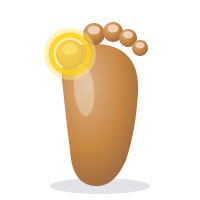 | Toe | kidole cha mguu | ||
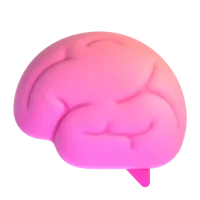 | Brain | ubongo | ||
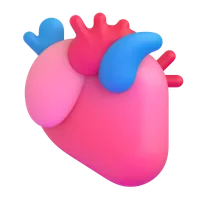 | Heart | moyo | ||
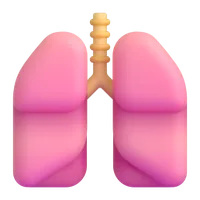 | Lungs | mapafu | ||
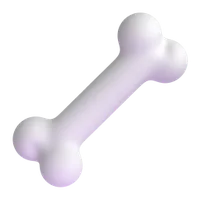 | Bones | mifupa |
Body parts in Swahili are perfect first words, because your child's own body is the one picture book that goes everywhere. This page has 30 words with pictures and clear audio, from kichwa (head), jicho (eye) and pua (nose) to goti (knee) and mguu (leg), plus four words for inside the body: ubongo (brain), moyo (heart), mapafu (lungs) and mifupa (bones). Tap a picture to hear it in Swahili and English, then touch the same part on yourself.
Start with the face
Babies study faces from their first weeks, so begin there: jicho (eye), pua (nose), mdomo (mouth), sikio (ear). Then add nywele (hair), uso (face), shavu (cheek), kidevu (chin), ulimi (tongue) and meno (teeth). Most of these words are built from simple syllables, such as pu-a and u-so, so they are easy for toddlers to say and, later, to read.
One eye, two eyes: body words and noun classes
Body words are a great way to meet Swahili noun classes, because we have two of so many parts. The beginning of the word changes for "many":
| One | Two or more | English |
|---|---|---|
| jicho | macho | eye, eyes |
| sikio | masikio | ear, ears |
| bega | mabega | shoulder, shoulders |
| goti | magoti | knee, knees |
| mkono | mikono | arm or hand, arms |
| mguu | miguu | leg or foot, legs |
| kidole | vidole | finger, fingers |
The cards show the single forms. In daily life you will say the plural often: "Nawa mikono!" ("Wash your hands!"). Notice also that mkono covers the whole arm and hand and mguu the whole leg and foot; our cards add kiganja (palm or hand) and wayo (sole of the foot) for when you need to be exact. The thumb is kidole gumba and a toe is kidole cha mguu, "finger of the foot".
Kichwa, mabega, magoti, vidole
The song "Head, shoulders, knees and toes" is sung in many East African classrooms in Swahili: "Kichwa, mabega, magoti, vidole", followed by "macho, masikio, mdomo na pua". It uses the plural forms from the table above, so singing it is a painless grammar lesson. Start slowly, touch each part, then sing faster and faster until everyone is laughing.
Body games at home
- Touch and say. "Onyesha pua yako!" ("Show your nose!"), then let your child give the orders.
- Teddy doctor. Check a teddy's kichwa, tumbo (tummy) and mgongo (back).
- Bath time. Name each part as you wash it: mikono, miguu, uso.
- Count. One pua, two macho, ten vidole. Practise with numbers in Swahili.
- Mirror play. Make faces in a mirror and name midomo (lips), ulimi and meno.
Body words help children say how they feel: "Tumbo linauma" means "My tummy hurts". If you are worried about your child's health, talk to your paediatrician.
Inside the body
From about 5, children love learning what is inside. Put a hand on the chest and feel the moyo beat. Take a big breath together to fill the mapafu, and feel the hard mifupa in the arm. Moyo also means "heart" in the feeling sense, so a kind person has a good moyo. Keep it simple and full of wonder.
Body words and healthy habits
Body words lead naturally to good habits: washing mikono before eating, brushing meno morning and night, and covering the mdomo when coughing. Our good habits game lets children practise these choices gently.
What to expect, and tips for families abroad
By 2, many children point to eyes, nose and mouth when asked. At 2-3 they name 5-10 body parts; at 3-4 they sing the body song; at 4-6 they know most of the 30 words. Abroad, keep one daily care routine, like bath time, in Swahili, and sing "Kichwa, mabega" with grandparents on video calls. For English and Hindi names see body parts name, or go back to learn Swahili for kids.
Viungo vya mwili kwa watoto
Katika ukurasa huu kuna maneno 30 yenye picha na sauti: kichwa, nywele, jicho, pua, mdomo, mkono, mguu, goti na mengine mengi. Gusa picha, na mtoto atasikia neno kwa Kiswahili na kwa Kiingereza, kisha aonyeshe sehemu hiyo kwenye mwili wake.
Imbeni pamoja "Kichwa, mabega, magoti, vidole". Tajeni viungo vya mwili wakati wa kuoga na kuvaa, na nawa mikono kabla ya kula. Msifu mtoto kwa kila jaribio.
How to use this page at home
Say it, then find it
Play for a few minutes, then look for the same thing away from the screen: swahili words on the shelf, in the kitchen, on the way to school. A child learns a word properly when they meet it twice, once on the screen and once in their hand.
Ten minutes is enough
Short and happy beats long and tired. Stop while your child still wants more, and come back tomorrow: the same page on five short days teaches far more than one long sitting. Nothing here is scored, so there is no reason to push.
Use both languages
Tap the language button at the top to hear the words in your home language first and the second language after. Hearing the same picture named in two languages is one of the few things research agrees builds attention as well as vocabulary.