Marathi alphabet chart with pictures
48 letters · tap 🔊 to hear each one.
| Picture | Letter | Word | Meaning | Listen |
|---|---|---|---|---|
 | अ | अननस | pineapple | |
 | आ | आई | mother | |
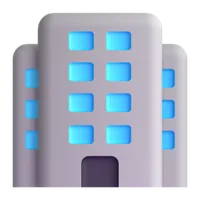 | इ | इमारत | building | |
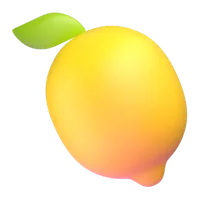 | ई | ईडलिंबू | citron | |
 | उ | उंदीर | mouse | |
| ऊ | ऊस | sugarcane | ||
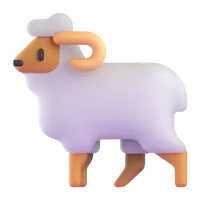 | ए | एडका | ram | |
| ऐ | ऐरण | anvil | ||
 | ओ | ओठ | lips | |
 | औ | औषध | medicine | |
 | अं | अंगठी | ring | |
| अः | अः | (sound only) | ||
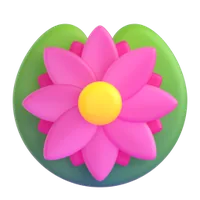 | क | कमळ | lotus | |
| ख | खटारा | bullock cart | ||
| ग | गणपती | Ganpati | ||
 | घ | घर | house | |
| ङ | ङ | (sound only) | ||
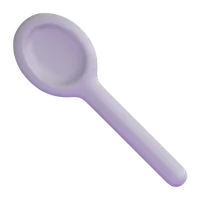 | च | चमचा | spoon | |
 | छ | छत्री | umbrella | |
 | ज | जहाज | ship | |
 | झ | झबले | baby frock | |
| ञ | ञ | (sound only) | ||
 | ट | टरबूज | watermelon | |
| ठ | ठसा | print / stamp | ||
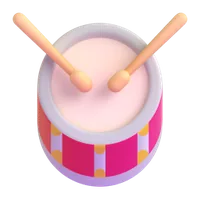 | ड | डमरू | damru drum | |
 | ढ | ढग | cloud | |
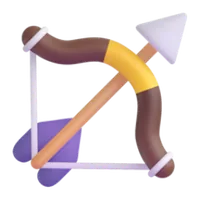 | ण | बाण | arrow (ends with ण) | |
 | त | तलवार | sword | |
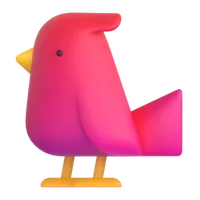 | थ | थवा | flock of birds | |
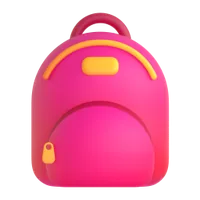 | द | दप्तर | school bag | |
| ध | धनुष्य | bow | |
 | न | नळ | tap | |
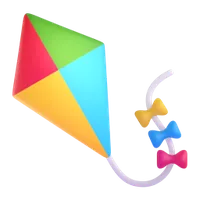 | प | पतंग | kite | |
| फ | फणस | jackfruit | ||
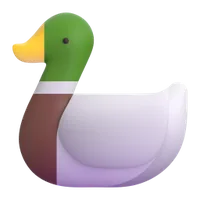 | ब | बदक | duck | |
| भ | भटजी | priest | ||
 | म | मगर | crocodile | |
 | य | यज्ञ | sacred fire | |
| र | रथ | chariot | ||
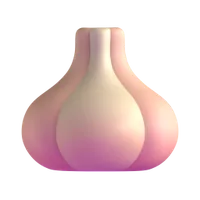 | ल | लसूण | garlic | |
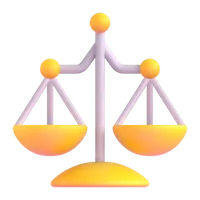 | व | वजन | weighing scale | |
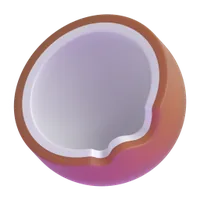 | श | शहाळे | tender coconut | |
| ष | षटकोन | hexagon | ||
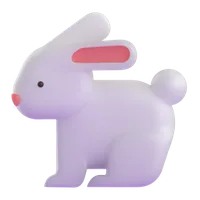 | स | ससा | rabbit | |
 | ह | हत्ती | elephant | |
 | ळ | बाळ | baby (ends with ळ) | |
 | क्ष | क्षत्रिय | warrior | |
| ज्ञ | ज्ञानेश्वर | Saint Dnyaneshwar |
The Marathi alphabet for kids is called मुळाक्षरे (mulakshare), "root letters". This page shows all 48 letters that most school charts use: 12 स्वर (swar, vowels) and 36 व्यंजने (vyanjane, consonants), from अ for अननस (ananas, pineapple) to ज्ञ for ज्ञानेश्वर, the saint-poet Dnyaneshwar. Tap a letter to hear it and its word, then play Find it or Memory.
How many letters are in Marathi mulakshare?
Parents often search "marathi mulakshare kiti aahet". The honest answer is that charts differ a little, and all of them are correct:
| Group | Letters | Count |
|---|---|---|
| स्वर (vowels) | अ आ इ ई उ ऊ ए ऐ ओ औ अं अः | 12 |
| व्यंजने (consonants) | क ख ग घ ङ … स ह ळ | 34 |
| Joint letters | क्ष ज्ञ | 2 |
| Extra vowels on newer charts | ऋ ॲ ऑ | 2-3 |
So most children's charts show 48 letters, and newer textbooks also teach ॲ and ऑ for English words like बॅट (bat) and बॉल (ball). Strictly, अं and अः are vowel signs rather than vowels, but schools teach them with the swar, so the game does too.
Swar: the 12 Marathi vowels with words
- अ अननस pineapple · आ आई mother · इ इमारत building · ई ईडलिंबू citron
- उ उंदीर mouse · ऊ ऊस sugarcane · ए एडका ram · ऐ ऐरण anvil
- ओ ओठ lips · औ औषध medicine · अं अंगठी ring · अः the "ah" sound
Say short and long pairs together, इ-ई and उ-ऊ, and stretch the long one with your voice. Children hear the difference long before they see it.
Vyanjan: the consonants in groups of five
Marathi consonants are arranged by where the mouth makes the sound, in rows of five called वर्ग (varga). Saying them row by row is how most Marathi schools teach them:
| Row | Letters | Picture words on this page |
|---|---|---|
| Throat | क ख ग घ ङ | कमळ lotus, खटारा bullock cart, गणपती, घर house |
| Palate | च छ ज झ ञ | चमचा spoon, छत्री umbrella, जहाज ship, झबले baby frock |
| Roof of mouth | ट ठ ड ढ ण | टरबूज watermelon, ठसा stamp, डमरू drum, ढग cloud, बाण arrow |
| Teeth | त थ द ध न | तलवार sword, थवा flock, दप्तर school bag, धनुष्य bow, नळ tap |
| Lips | प फ ब भ म | पतंग kite, फणस jackfruit, बदक duck, भटजी priest, मगर crocodile |
| Others | य र ल व श ष स ह ळ क्ष ज्ञ | रथ chariot, लसूण garlic, शहाळे tender coconut, ससा rabbit, हत्ती elephant, बाळ baby |
Three letters, ङ, ञ and ण, never start a Marathi word, so the game says ङ and ञ as sounds and shows ण at the end of बाण.
What makes the Marathi alphabet different from Hindi?
- ळ (la with the tongue curled back) is a full letter in Marathi, heard in बाळ (baby), कमळ (lotus) and नळ (tap). Hindi charts do not have it.
- च and ज have two sounds. In many words they sound like "ts" and "dz", as in चमचा and जहाज; before "i" and "e" they sound like "ch" and "j", as in चिमणी (sparrow). Children learn this by ear.
- ॲ and ऑ write English sounds, as in बॅट and बॉल.
- ज्ञ is said "dnya" in Marathi, as in ज्ञानेश्वर, not "gya" as in much of Hindi.
If your child already knows the Hindi varnamala, point out these few differences and the rest will feel familiar.
From mulakshare to barakhadi
After the letters comes बाराखडी (barakhadi), "twelve forms": each consonant joined with each vowel sign, or मात्रा (matra). For क: क का कि की कु कू के कै को कौ कं कः. Many Marathi schools teach चौदाखडी (chaudakhadi), fourteen forms, which adds कॅ and कॉ. The pattern is the same for every consonant, so once your child can do one row, every row follows. Practise the same idea with the barakhadi grid, which uses the same Devanagari letters and matras (it speaks them in Hindi, so add ळ yourself).
How to teach Marathi letters at home
- Swar first, one pair a day, always with the picture word: "आ for आई".
- One varga a week. Say the five letters as a chant: "ka kha ga gha nga".
- Trace big. Write letters with a finger in rangoli powder, sand or on a steamy mirror before using a pencil.
- Letter hunt. Find क on a biscuit packet, a shop board or the newspaper.
- Print and copy. Print this page from your browser; the letter list below the game makes a simple chart for writing practice.
At 3, just listen and point. At 4 (LKG), most children know the swar. At 5 to 6 (UKG, class 1), children learn all mulakshare, start barakhadi, and read short words like घर, बदक and कमळ. Never rush pencil work before the hand is ready. See how letters join up into words with animals name in Marathi, and practise counting with numbers in Marathi.
पालकांसाठी
मुळाक्षरे शिकवताना घाई करू नका. आधी बारा स्वर शिकवा: अ, आ, इ, ई. प्रत्येक अक्षरासोबत एक चित्र आणि शब्द सांगा, जसं आ म्हणजे आई.
नंतर व्यंजनं पाच पाचच्या गटात शिकवा: क ख ग घ ङ. रांगोळीत किंवा वाळूत बोटाने अक्षर गिरवून पाहा. मराठीत ळ हे खास अक्षर आहे: बाळ, कमळ, नळ.
मुळाक्षरे पक्की झाली की बाराखडी सुरू करा: क, का, कि, की. मूल चुकलं तरी प्रयत्नाचं कौतुक करा. हा खेळ कधीच "चूक" म्हणत नाही.
How to use this page at home
Say it, then find it
Play for a few minutes, then look for the same thing away from the screen: marathi words on the shelf, in the kitchen, on the way to school. A child learns a word properly when they meet it twice, once on the screen and once in their hand.
Ten minutes is enough
Short and happy beats long and tired. Stop while your child still wants more, and come back tomorrow: the same page on five short days teaches far more than one long sitting. Nothing here is scored, so there is no reason to push.
Use both languages
Tap the language button at the top to hear the words in your home language first and the second language after. Hearing the same picture named in two languages is one of the few things research agrees builds attention as well as vocabulary.