Body parts in Ukrainian: word list with pictures
30 words · tap 🔊 to hear each one in Ukrainian.
| Picture | English | Ukrainian | Say it | Listen |
|---|---|---|---|---|
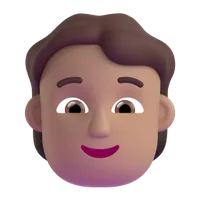 | Head | голова | holova | |
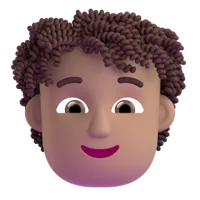 | Hair | волосся | volossia | |
 | Face | обличчя | oblychchia | |
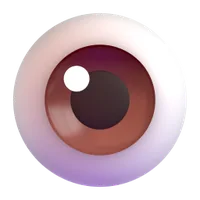 | Eye | око | oko | |
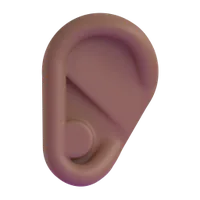 | Ear | вухо | vukho | |
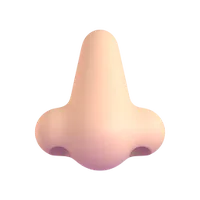 | Nose | ніс | nis | |
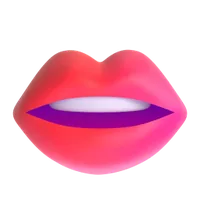 | Mouth | рот | rot | |
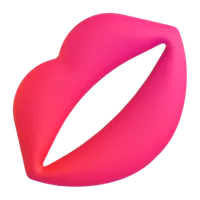 | Lips | губи | huby | |
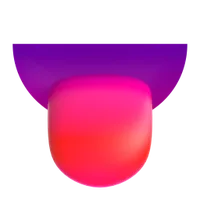 | Tongue | язик | yazyk | |
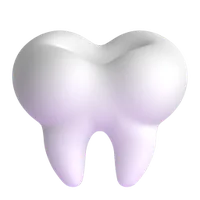 | Teeth | зуби | zuby | |
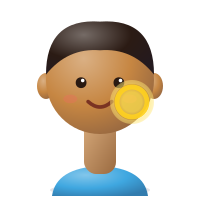 | Cheek | щока | shchoka | |
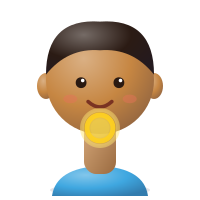 | Chin | підборіддя | pidboriddia | |
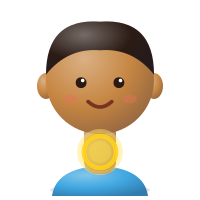 | Neck | шия | shyia | |
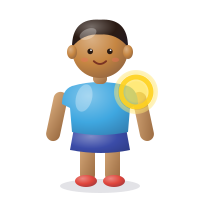 | Shoulder | плече | pleche | |
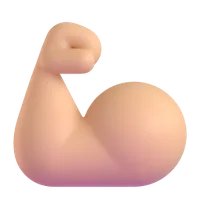 | Arm | рука | ruka | |
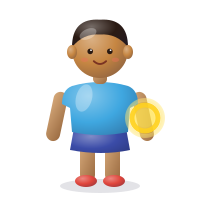 | Elbow | лікоть | likot | |
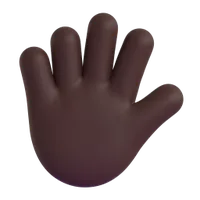 | Hand | долоня | dolonia | |
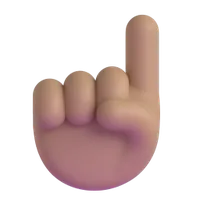 | Finger | палець | palets | |
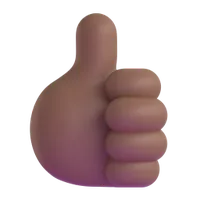 | Thumb | великий палець | velykyi palets | |
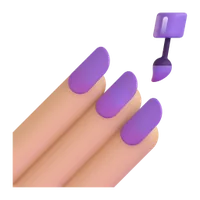 | Nail | ніготь | nihot | |
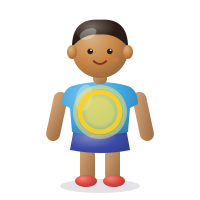 | Tummy | животик | zhyvotyk | |
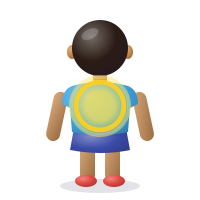 | Back | спина | spyna | |
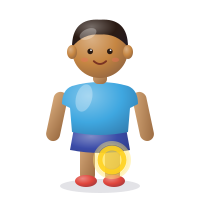 | Knee | коліно | kolino | |
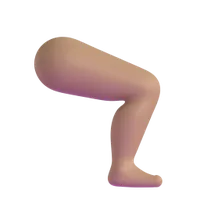 | Leg | нога | noha | |
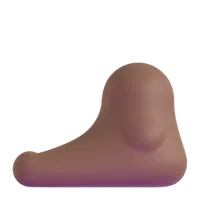 | Foot | стопа | stopa | |
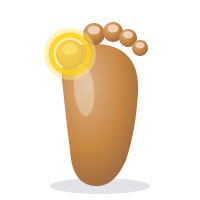 | Toe | пальчик на нозі | palchyk na nozi | |
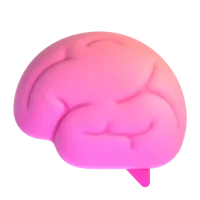 | Brain | мозок | mozok | |
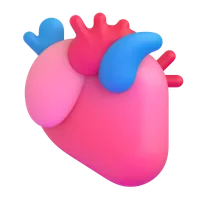 | Heart | серце | sertse | |
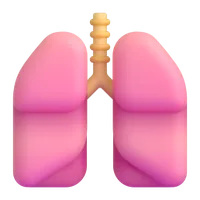 | Lungs | легені | leheni | |
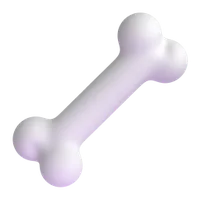 | Bones | кістки | kistky |
Body parts in Ukrainian are ideal first words: your child's own body is the one set of flashcards that goes everywhere. This page has 30 words with pictures and clear audio, from голова (head), око (eye) and ніс (nose) to коліно (knee) and стопа (foot), plus four words for inside the body: мозок (brain), серце (heart), легені (lungs) and кістки (bones). Tap a picture to hear it in Ukrainian and English, then touch the same part on yourself.
Start with the face
Babies study faces from their first weeks, so the face is the natural place to start: очі (eyes), ніс (nose), рот (mouth), вуха (ears). The cards show the single forms око and вухо; in everyday talk you will often use the plural. Grandparents love asking "А де носик?" ("And where is the little nose?"). The ending -ик makes a word small and sweet, just like the cards животик (tummy) and пальчик на нозі (toe).
Notice the letter і in ніс. In other forms it changes to о: носик, носа. This vowel swap is typical of Ukrainian and shows up in кіт → кота too. Children hear it naturally; older children find it a fun puzzle.
One word for arm and hand: рука and нога
In Ukrainian, рука means both the arm and the hand, and нога means both the leg and the foot. When you need to be precise, there are extra words, which is why our cards include долоня (palm or hand) and стопа (foot). For toddlers, рука and нога are plenty: "Дай ручку!" ("Give me your hand!").
Ukrainian finger games and body rhymes
Ukrainian families share many playful rhymes. In "Ладки, ладки" you clap your child's palms together while singing about going to grandma's. In "Сорока-ворона" you circle a finger on your child's palm, as if a magpie is cooking porridge, then touch each finger as she feeds her chicks. These games repeat долоня and пальчик dozens of times, and children ask for them again and again. The song "Head, shoulders, knees and toes" works in Ukrainian too: "Голова, плечі, коліна й пальці".
A fun grammar note: calling someone
Ukrainian has a special "calling" form of nouns, the vocative. Children call "Мамо!" and "Тату!" rather than мама and тато. You will hear it in games too: "Котику, де твій хвостик?" There is nothing to teach here; it simply shows how rich everyday Ukrainian sounds, and your child will copy it from you.
Body games at home
- Touch and say. "Покажи носик!" ("Show your nose!"), then swap roles and let your child give the orders.
- Teddy check-up. Find the голова, рука, нога and животик on a soft toy.
- Bath time. "Миємо ручки, миємо ніжки, миємо животик."
- Mirror faces. Point to щока (cheek), підборіддя (chin), губи (lips) and язик (tongue).
- Count. One ніс, two ока, ten пальців. Practise with numbers in Ukrainian.
Body words help children tell you how they feel: "У мене болить живіт" means "My tummy hurts". If you are worried about your child's health, talk to your paediatrician.
Inside the body
From about 5, children love to learn what is inside. Put a hand on the chest and say "Тук-тук, це серце". Take a deep breath for легені and feel the hard кістки in the arm. Keep it simple and full of wonder.
What to expect, and tips for families abroad
By 2, many children point to eyes, nose and mouth. At 2-3 they name 5-10 body parts; at 3-4 they add плече, лікоть, коліно; at 4-6 they know most of the 30. Abroad, keep one care routine, such as bath time or brushing teeth, in Ukrainian every day, and play "touch your nose" with grandparents on video calls. For more, see body parts name in English and Hindi, our good habits game, or compare with body parts in Russian.
Частини тіла для дітей
На цій сторінці 30 слів із малюнками та звуком: голова, око, ніс, рот, рука, нога, коліно та інші. Натисніть на малюнок, і дитина почує слово українською та англійською, а потім покаже цю частину тіла на собі.
Грайте в «Ладки» та «Сороку-ворону», називайте частини тіла під час купання й одягання. Скажіть: «Покажи, де носик!» – і похваліть малюка за кожну спробу.
How to use this page at home
Say it, then find it
Play for a few minutes, then look for the same thing away from the screen: ukrainian words on the shelf, in the kitchen, on the way to school. A child learns a word properly when they meet it twice, once on the screen and once in their hand.
Ten minutes is enough
Short and happy beats long and tired. Stop while your child still wants more, and come back tomorrow: the same page on five short days teaches far more than one long sitting. Nothing here is scored, so there is no reason to push.
Use both languages
Tap the language button at the top to hear the words in your home language first and the second language after. Hearing the same picture named in two languages is one of the few things research agrees builds attention as well as vocabulary.