Polish alphabet chart with pictures
32 letters · tap 🔊 to hear each one.
| Picture | Letter | Word | Meaning | Listen |
|---|---|---|---|---|
 | A | arbuz | watermelon | |
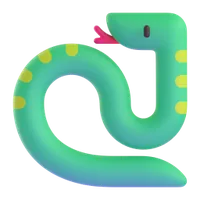 | Ą | wąż | snake | |
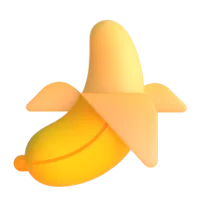 | B | banan | banana | |
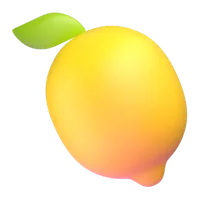 | C | cytryna | lemon | |
| Ć | ćma | moth | ||
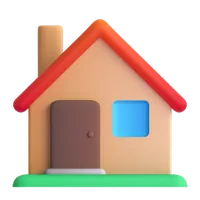 | D | dom | house | |
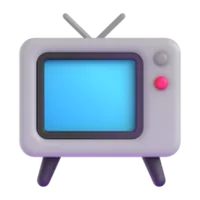 | E | ekran | screen | |
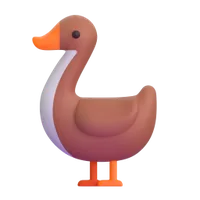 | Ę | gęś | goose | |
 | F | foka | seal | |
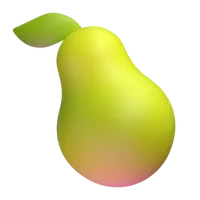 | G | gruszka | pear | |
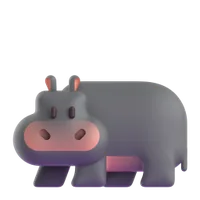 | H | hipopotam | hippo | |
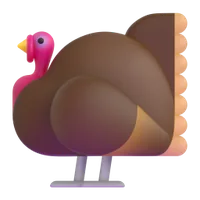 | I | indyk | turkey | |
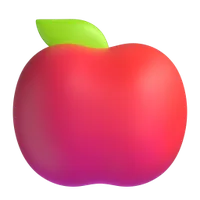 | J | jabłko | apple | |
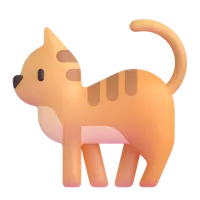 | K | kot | cat | |
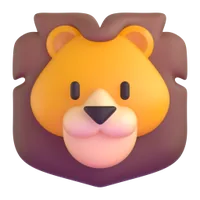 | L | lew | lion | |
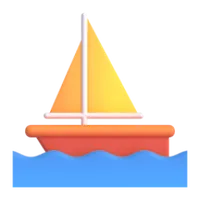 | Ł | łódka | boat | |
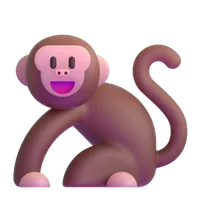 | M | małpa | monkey | |
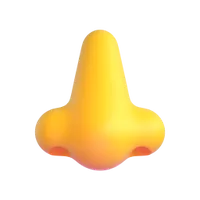 | N | nos | nose | |
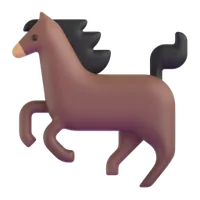 | Ń | koń | horse | |
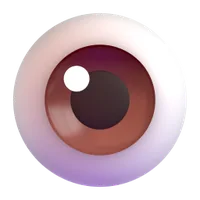 | O | oko | eye | |
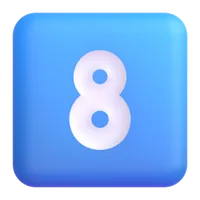 | Ó | ósemka | number eight | |
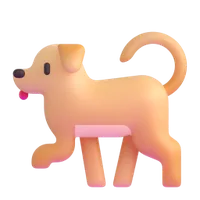 | P | pies | dog | |
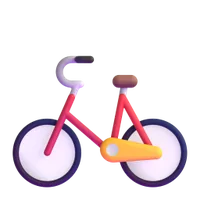 | R | rower | bicycle | |
 | S | słoń | elephant | |
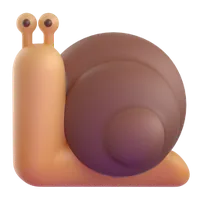 | Ś | ślimak | snail | |
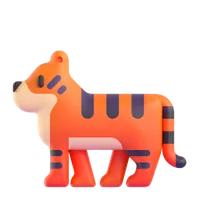 | T | tygrys | tiger | |
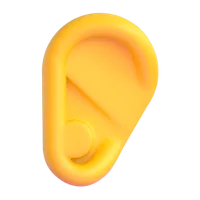 | U | ucho | ear | |
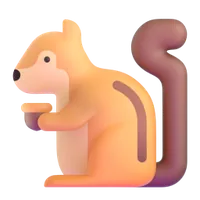 | W | wiewiórka | squirrel | |
 | Y | ryba | fish | |
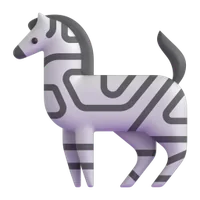 | Z | zebra | zebra | |
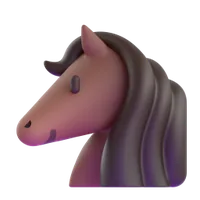 | Ź | źrebię | foal | |
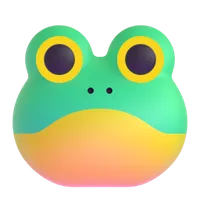 | Ż | żaba | frog |
The Polish alphabet for kids has 32 letters, and nine of them wear little marks that give Polish its special sound: ą, ę, ć, ł, ń, ó, ś, ź, ż. This page shows every letter on a picture card, like the alphabet charts in a Polish przedszkole: A jak arbuz (A as in watermelon), K jak kot (cat), Ł jak łódka (boat) and Ż jak żaba (frog). Tap a card to hear the letter and its word in clear audio, then play Find it or Memory.
How many letters are in the Polish alphabet?
The Polish alphabet has 32 letters: A Ą B C Ć D E Ę F G H I J K L Ł M N Ń O Ó P R S Ś T U W Y Z Ź Ż. The letters Q, V and X are not part of it; they only appear in foreign words and names. Polish children learn the nine letters with marks as real letters, not as decorations, and in a dictionary ś comes after s, and so on.
No Polish word starts with ą, ę or ń, and none starts with y in everyday words. That is why the cards show them inside a word: wąż (snake), gęś (goose), koń (horse) and ryba (fish).
The special Polish letters
| Letter | Sounds like | Card word |
|---|---|---|
| Ą | nasal "on" | wąż (snake) |
| Ę | nasal "en" | gęś (goose) |
| Ć | soft "ch" | ćma (moth) |
| Ł | English "w" | łódka (boat) |
| Ń | "ny", as in canyon | koń (horse) |
| Ó | "oo", same as u | ósemka (number eight) |
| Ś | soft "sh" | ślimak (snail) |
| Ź | soft "zh" | źrebię (foal) |
| Ż | "s" in "measure" | żaba (frog) |
Two other letters surprise English speakers: W sounds like "v" (wiewiórka, squirrel), and C sounds like "ts" (cytryna, lemon).
Letter pairs that make one sound
Polish also uses pairs of letters, called dwuznaki: sz ("sh", szafa, wardrobe), cz ("ch", czapka, hat), rz (same sound as ż, rzeka, river), ch (same sound as h, chleb, bread), and dz, dź, dż. Because ó and u, rz and ż, and ch and h sound the same, Polish children spend years learning which spelling a word uses. At preschool age, sounds matter far more than spelling.
How Polish preschools teach letters
In przedszkole, children aged three to five play with sounds: they clap syllables (ba-nan), find the first sound, głoska, of their names and learn rhymes. In zerówka, the compulsory year at six, children meet most letters, usually one a week, each with a picture, a song and a craft. They learn that a głoska (sound) and a litera (letter) are not always the same thing, which matters for pairs like sz. In klasa 1, at seven, children learn to read fluently, often by syllables: ma-ma, ko-tek, ry-ba.
How to teach Polish letters at home
- Name first. Find the first letter of your child's name, and of mama and tata.
- Special letter hunt. Look for letters with marks on food packets and in books. Children love "the letters with tails and hats".
- Syllable clapping. Clap ża-ba, ma-łpa, wie-wiór-ka together.
- Five letters a week. Play Listen, then Find it with just those letters.
- Make letters. Shape Ł with sticks or Ż with play dough, adding the dot on top.
Play "Co słyszysz na początku?" ("What do you hear at the start?"): say a word slowly, like kot, and let your child find the first letter on the chart.
What to expect by age
At two to three, children enjoy the pictures and sounds; a few know their own initial. At three to four, they match some letters to words: K jak kot. At four to five, they clap syllables and hear first sounds. At five to six, in zerówka, many recognise most capital letters and start to write their names. Bilingual children may read W as English "w" and J as English "j"; that is normal and sorts itself out. If your child also learns the English ABCD, keep the two alphabets for different times of day at first. Keep sessions short, shared and full of praise.
Alfabet dla dzieci
Polski alfabet ma 32 litery, w tym dziewięć liter ze znakami: ą, ę, ć, ł, ń, ó, ś, ź i ż. Na tej stronie każda litera ma obrazek i słowo: A jak arbuz, K jak kot, Ł jak łódka, Ż jak żaba. Dziecko dotyka karty i słyszy literę i słowo.
Bawcie się głoskami i sylabami, tak jak w przedszkolu i w zerówce. Szukajcie liter na opakowaniach, szyldach i w książeczkach. Wystarczy kilka minut dziennie, bez pośpiechu i z uśmiechem.
Next, try numbers in Polish or animals in Polish, where many alphabet words come back. For another Slavic alphabet, see the Ukrainian alphabet, which uses Cyrillic letters.
How to use this page at home
Say it, then find it
Play for a few minutes, then look for the same thing away from the screen: polish words on the shelf, in the kitchen, on the way to school. A child learns a word properly when they meet it twice, once on the screen and once in their hand.
Ten minutes is enough
Short and happy beats long and tired. Stop while your child still wants more, and come back tomorrow: the same page on five short days teaches far more than one long sitting. Nothing here is scored, so there is no reason to push.
Use both languages
Tap the language button at the top to hear the words in your home language first and the second language after. Hearing the same picture named in two languages is one of the few things research agrees builds attention as well as vocabulary.