Body parts in Russian: word list with pictures
30 words · tap 🔊 to hear each one in Russian.
| Picture | English | Russian | Say it | Listen |
|---|---|---|---|---|
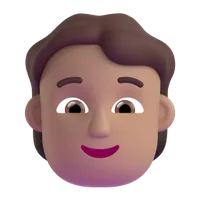 | Head | Голова | Golova | |
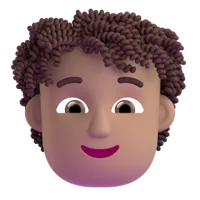 | Hair | Волосы | Volosy | |
 | Face | Лицо | Litso | |
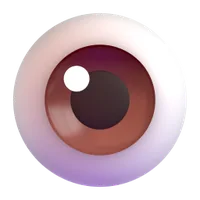 | Eye | Глаз | Glaz | |
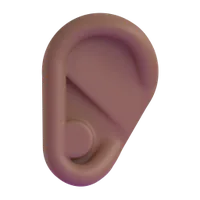 | Ear | Ухо | Ukho | |
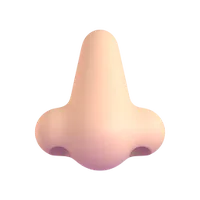 | Nose | Нос | Nos | |
 | Mouth | Рот | Rot | |
 | Lips | Губы | Guby | |
 | Tongue | Язык | Yazyk | |
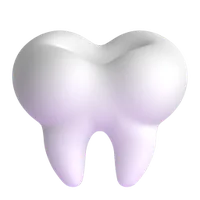 | Teeth | Зубы | Zuby | |
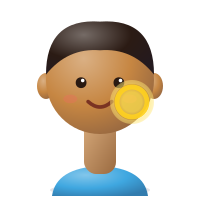 | Cheek | Щека | Shcheka | |
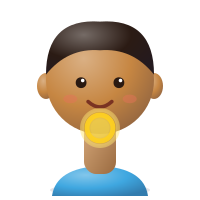 | Chin | Подбородок | Podborodok | |
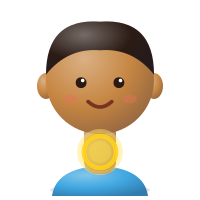 | Neck | Шея | Sheya | |
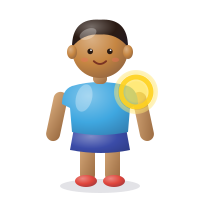 | Shoulder | Плечо | Plecho | |
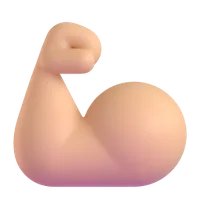 | Arm | Рука | Ruka | |
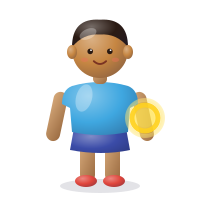 | Elbow | Локоть | Lokot | |
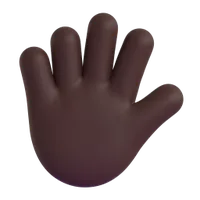 | Hand | Ладошка | Ladoshka | |
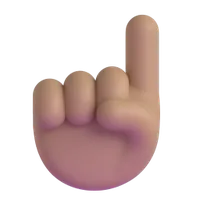 | Finger | Пальчик | Palchik | |
 | Thumb | Большой палец | Bolshoy palets | |
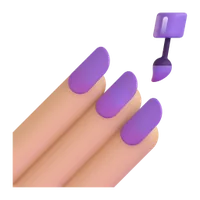 | Nail | Ноготь | Nogot | |
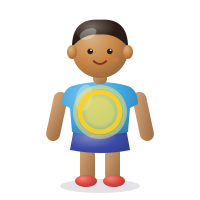 | Tummy | Животик | Zhivotik | |
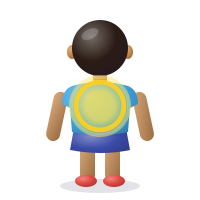 | Back | Спина | Spina | |
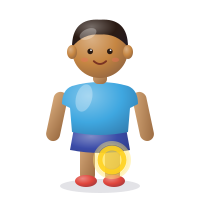 | Knee | Коленка | Kolenka | |
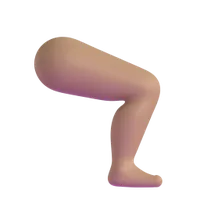 | Leg | Нога | Noga | |
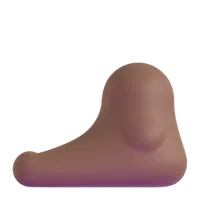 | Foot | Стопа | Stopa | |
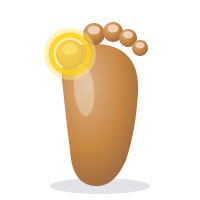 | Toe | Пальчик на ноге | Palchik na noge | |
 | Brain | Мозг | Mozg | |
 | Heart | Сердце | Serdtse | |
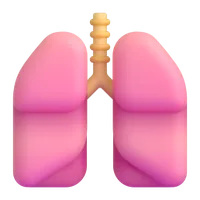 | Lungs | Лёгкие | Lyogkie | |
 | Bones | Кости | Kosti |
Body parts in Russian are perfect for toddlers, because the body is the one "flashcard" a child always carries. This page has 30 words with pictures and clear audio, from голова (head), глаз (eye) and нос (nose) to коленка (knee) and стопа (foot), plus four words for inside the body: мозг (brain), сердце (heart), лёгкие (lungs) and кости (bones). Tap a picture to hear it in Russian and English, then touch the same part on your own body.
The face: where to begin
Start with the face, because babies study faces from birth. Say глаза (eyes), нос (nose), рот (mouth), уши (ears), and gently touch each one. The pictures show single forms such as глаз and ухо; in daily talk you will often use the plural. A classic question that every Russian grandmother asks is "Где у тебя носик?" ("Where is your little nose?"). The ending -ик makes it small and cute, just like our cards ладошка (little palm), пальчик (little finger) and животик (tummy).
One word for arm and hand: рука and нога
Here is something that surprises English speakers. In Russian, рука means the whole arm and the hand, and нога means the whole leg and the foot. When Russians need to be exact, they use extra words, which is why our cards also include ладошка (palm or hand) and стопа (foot). For toddlers, рука and нога are enough: "Дай ручку!" ("Give me your hand!") and "Где ножки?" ("Where are the feet?").
Russian finger games and body rhymes
Russian families have lovely body rhymes called потешки. In "Ладушки, ладушки" you clap your child's palms together. In "Сорока-белобока" you circle a finger on your child's palm, as if a magpie is cooking porridge, then touch each finger as she feeds her chicks, and the thumb gets none because it did not help. Children ask for these again and again, and each time they hear ладошка and пальчик. You can also sing "Head, shoulders, knees and toes" in Russian: "Голова, плечи, колени и пальцы".
Body games at home
- Touch and say. Say "Покажи нос!" ("Show your nose!"), then swap roles.
- Doll check. Ask your child to find the голова, рука and нога on a teddy.
- Bath time. "Моем ручки, моем ножки, моем животик." Washing is a natural body-word routine.
- Mirror faces. Stand at a mirror and point: щека (cheek), подбородок (chin), губы (lips), язык (tongue).
- Count body parts. One нос, two глаза, ten пальчиков. Practise with numbers in Russian.
Body words also help with safety and health. A child who can say "У меня болит живот" ("My tummy hurts") can tell you what is wrong. If you are worried about your child's health, talk to your paediatrician.
Inside the body
Children aged 5-6 love learning what is inside them. Put your child's hand on their chest and say "Тук-тук, это сердце" ("Thump-thump, that is the heart"). Take a big breath together for лёгкие, and feel the hard кости in the arm. Keep it simple and wonder-filled; there is no need for a biology lesson.
What to expect by age
By 2, many children point to eyes, nose and mouth when asked. At 2-3 they name 5-10 body parts. At 3-4 they add плечо, локоть, коленка. At 4-6 they name most of the 30 words and can talk about how a body part feels. Speech delays and bilingual mixing are common; if your child understands but does not yet say the words, keep playing and pointing. For more, see body parts name in English and Hindi, our good habits game, and body parts in Ukrainian.
Tips for Russian-speaking families abroad
Daily care routines are ideal for keeping Russian strong in a bilingual home, because they happen at the same time every day. Choose one routine, such as brushing teeth or getting dressed, and always narrate it in Russian: "Чистим зубы. Моем лицо. Надеваем носки на ножки." Your child hears зубы, лицо and ножки in the right place with the right action. If your child answers in English, echo the Russian word and keep going. Grandparents can play "touch your nose" games on a video call, which children love because the grown-up can do silly mistakes on purpose.
Части тела для детей
На этой странице 30 слов с картинками и звуком: голова, глаз, нос, рот, рука, нога, коленка и другие. Нажмите на картинку, и ребёнок услышит слово по-русски и по-английски, а потом покажет эту часть тела на себе.
Играйте в «Ладушки» и «Сороку-белобоку», называйте части тела во время купания и одевания. Скажите: «Покажи, где носик!» – и похвалите малыша за каждую попытку.
How to use this page at home
Say it, then find it
Play for a few minutes, then look for the same thing away from the screen: russian words on the shelf, in the kitchen, on the way to school. A child learns a word properly when they meet it twice, once on the screen and once in their hand.
Ten minutes is enough
Short and happy beats long and tired. Stop while your child still wants more, and come back tomorrow: the same page on five short days teaches far more than one long sitting. Nothing here is scored, so there is no reason to push.
Use both languages
Tap the language button at the top to hear the words in your home language first and the second language after. Hearing the same picture named in two languages is one of the few things research agrees builds attention as well as vocabulary.