Animals in Polish: word list with pictures
60 words · tap 🔊 to hear each one in Polish.
| Picture | English | Polish | Say it | Listen |
|---|---|---|---|---|
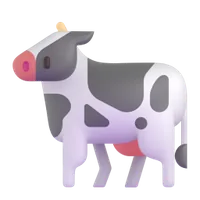 | Cow | Krowa | ||
 | Bull | Byk | ||
 | Buffalo | Bawół | ||
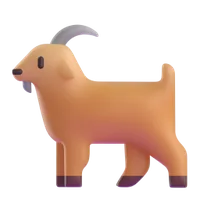 | Goat | Koza | ||
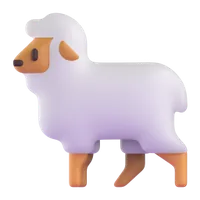 | Sheep | Owca | ||
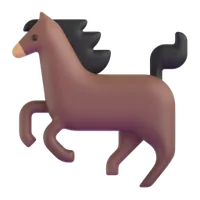 | Horse | Koń | ||
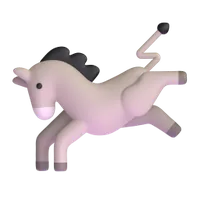 | Donkey | Osioł | ||
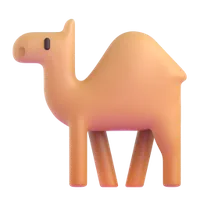 | Camel | Wielbłąd | ||
 | Pig | Świnia | ||
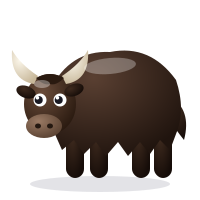 | Yak | Jak | ||
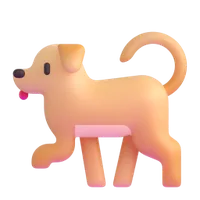 | Dog | Pies | ||
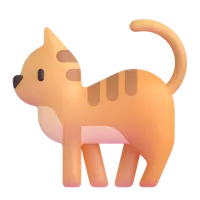 | Cat | Kot | ||
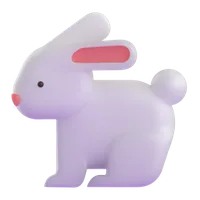 | Rabbit | Królik | ||
 | Hamster | Chomik | ||
 | Mouse | Mysz | ||
 | Elephant | Słoń | ||
 | Lion | Lew | ||
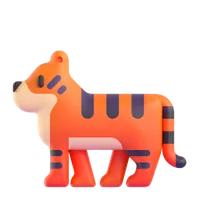 | Tiger | Tygrys | ||
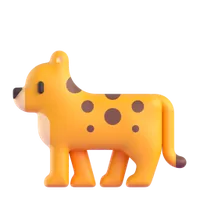 | Leopard | Lampart | ||
 | Bear | Niedźwiedź | ||
 | Monkey | Małpa | ||
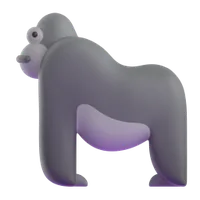 | Gorilla | Goryl | ||
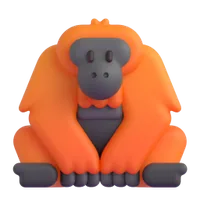 | Orangutan | Orangutan | ||
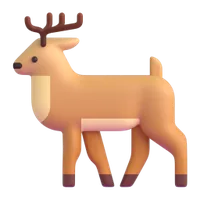 | Deer | Jeleń | ||
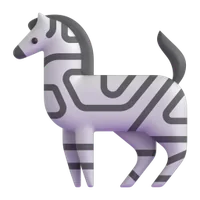 | Zebra | Zebra | ||
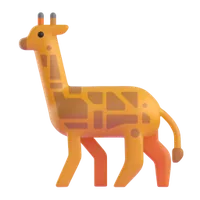 | Giraffe | Żyrafa | ||
 | Hippo | Hipopotam | ||
 | Rhino | Nosorożec | ||
 | Fox | Lis | ||
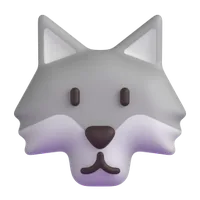 | Wolf | Wilk | ||
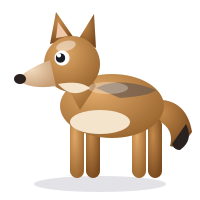 | Jackal | Szakal | ||
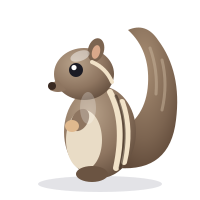 | Squirrel | Wiewiórka | ||
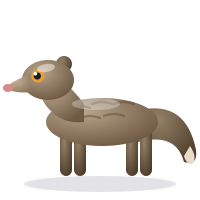 | Mongoose | Mangusta | ||
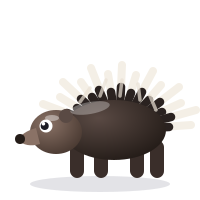 | Porcupine | Jeżozwierz | ||
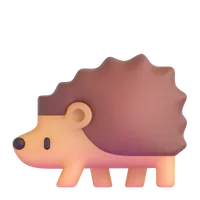 | Hedgehog | Jeż | ||
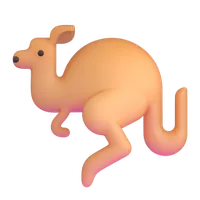 | Kangaroo | Kangur | ||
 | Koala | Koala | ||
 | Panda | Panda | ||
 | Polar Bear | Niedźwiedź polarny | ||
 | Sloth | Leniwiec | ||
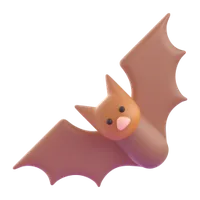 | Bat | Nietoperz | ||
 | Wild Boar | Dzik | ||
 | Indian Bison | Gaur | ||
 | Rat | Szczur | ||
 | Fish | Ryba | ||
 | Goldfish | Złota rybka | ||
 | Frog | Żaba | ||
 | Whale | Wieloryb | ||
 | Dolphin | Delfin | ||
 | Shark | Rekin | ||
 | Octopus | Ośmiornica | ||
 | Crab | Krab | ||
 | Prawn | Krewetka | ||
 | Squid | Kałamarnica | ||
 | Seal | Foka | ||
 | Jellyfish | Meduza | ||
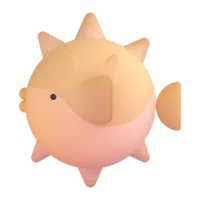 | Pufferfish | Rozdymka | ||
 | Otter | Wydra | ||
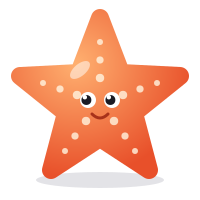 | Starfish | Rozgwiazda | ||
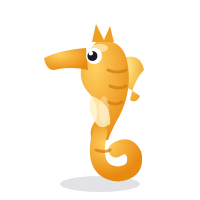 | Seahorse | Konik morski |
Animals in Polish are the perfect first topic, because Polish children grow up with animal songs, rhymes and stories. This page has 60 animals with pictures and clear audio: farm animals like krowa (cow) and koń (horse), pets like pies (dog) and kot (cat), forest and wild animals like lis (fox), jeż (hedgehog) and niedźwiedź (bear), and sea animals like delfin and konik morski (seahorse). Tap a picture to hear the Polish and English name, then play Find it once a few names feel familiar.
Farm animals and pets in Polish
Many Polish children spend summers with grandparents na wsi (in the countryside), so farm animals are well known: krowa (cow), byk (bull), koza (goat), owca (sheep), koń (horse), osioł (donkey) and świnia (pig). Then add pets: pies, kot, królik (rabbit), chomik (hamster) and mysz (mouse). The words are short, which makes them easy for two-year-olds.
Polish loves zdrobnienia, little "cute" forms, and parents use them all the time with toddlers: piesek (doggy), kotek (kitty), konik (little horse), myszka (little mouse). The seahorse on this page is konik morski, a "little sea horse". Don't be surprised if your child learns kotek before kot.
Forest and wild animals in Polish
Poland's forests are home to animals your child can meet in real life or in picture books: lis (fox), wilk (wolf), jeleń (deer), dzik (wild boar), jeż (hedgehog), wiewiórka (squirrel), niedźwiedź (bear) and nietoperz (bat). The Białowieża Forest in the east is famous for the European bison, żubr, and white storks, bociany, nest on village roofs each spring.
Zoo animals are often close to English: tygrys, zebra, goryl, panda, koala, kangur, hipopotam. Others are new: słoń (elephant), lew (lion), małpa (monkey), żyrafa (giraffe) and nosorożec (rhino, "nose-horn"). The sloth is leniwiec, from leniwy, "lazy", which children find very funny.
Sea animals in Polish
Poland has a Baltic Sea coast, and families holiday by the sea every summer. Zwierzęta morskie include ryba (fish), wieloryb (whale), delfin, rekin (shark), ośmiornica (octopus, "eight-arms"), krab, meduza (jellyfish), foka (seal) and rozgwiazda (starfish). The goldfish is złota rybka, which also grants wishes in Polish fairy tales.
Animal sounds in Polish
Polish animals have their own voices: a dog says hau hau, a cat miau, a cow muu, a pig chrum chrum, a duck kwa kwa, a sheep bee, a horse ihaha and a rooster kukuryku. Polish children sing "Stary Donald farmę miał", the Polish "Old MacDonald had a farm", and many przedszkole songs are about animals. Try our animal sounds game to compare languages.
| Animal | Polish | Sound |
|---|---|---|
| Dog | pies | hau hau |
| Cat | kot | miau |
| Cow | krowa | muu |
| Pig | świnia | chrum chrum |
| Frog | żaba | kum kum |
How to teach animal names in Polish at home
- Five at a time. Choose five animals and play Listen for two minutes.
- Toy animals. Ask "Gdzie jest krowa?" (Where is the cow?) and let your child point.
- Move like animals. Say "Jestem żabą!" (I'm a frog!) and hop. Take turns.
- Walks and parks. Name every pies, ptak (bird) and kaczka (duck) you see.
- Alphabet link. Many animals are on the Polish alphabet cards: K jak kot, L jak lew, Ż jak żaba.
What to expect by age
At two to three, children learn five to ten animals, mostly pets and farm animals, and enjoy the sounds most. At three to four, they name 15-20 animals and sort them into farm, forest and sea. At four to five, they use short sentences like "Lew jest duży". At five to six, they read short names like kot, lis and foka. If your child answers in English while understanding Polish, that is a normal bilingual stage; keep speaking Polish. Keep screen time short and shared. For English and Hindi names, see animals name in Hindi and English, or compare the animals in Ukrainian.
Zwierzęta dla dzieci: nazwy i odgłosy
Na tej stronie jest 60 zwierząt z obrazkiem i nagraniem: zwierzęta wiejskie, takie jak krowa, owca i koń, zwierzęta leśne, takie jak lis, jeż i wiewiórka, oraz zwierzęta morskie, takie jak wieloryb, delfin i foka.
Naśladujcie razem odgłosy zwierząt, śpiewajcie „Stary Donald farmę miał” i szukajcie zwierząt na spacerze, w książeczkach i u babci na wsi. Tak dziecko uczy się nazw zwierząt przez zabawę.
How to use this page at home
Say it, then find it
Play for a few minutes, then look for the same thing away from the screen: polish words on the shelf, in the kitchen, on the way to school. A child learns a word properly when they meet it twice, once on the screen and once in their hand.
Ten minutes is enough
Short and happy beats long and tired. Stop while your child still wants more, and come back tomorrow: the same page on five short days teaches far more than one long sitting. Nothing here is scored, so there is no reason to push.
Use both languages
Tap the language button at the top to hear the words in your home language first and the second language after. Hearing the same picture named in two languages is one of the few things research agrees builds attention as well as vocabulary.