Fruits in Chinese: word list with pictures
30 words · tap 🔊 to hear each one in Chinese.
| Picture | English | Chinese | Say it | Listen |
|---|---|---|---|---|
 | Mango | 芒果 | mángguǒ | |
 | Banana | 香蕉 | xiāngjiāo | |
 | Apple | 苹果 | píngguǒ | |
 | Orange | 橙子 | chéngzi | |
 | Grapes | 葡萄 | pútao | |
 | Watermelon | 西瓜 | xīguā | |
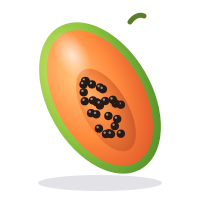 | Papaya | 木瓜 | mùguā | |
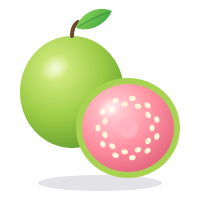 | Guava | 番石榴 | fānshíliu | |
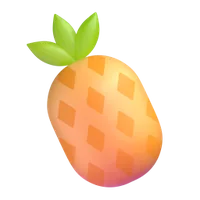 | Pineapple | 菠萝 | bōluó | |
 | Strawberry | 草莓 | cǎoméi | |
 | Cherry | 樱桃 | yīngtáo | |
 | Lemon | 柠檬 | níngméng | |
 | Coconut | 椰子 | yēzi | |
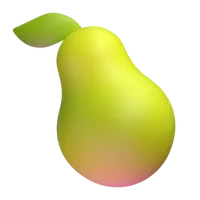 | Pear | 梨 | lí | |
 | Pomegranate | 石榴 | shíliu | |
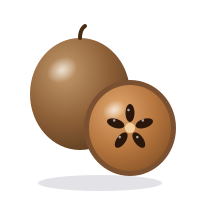 | Sapodilla | 人心果 | rénxīnguǒ | |
 | Peach | 桃子 | táozi | |
 | Muskmelon | 甜瓜 | tiánguā | |
 | Kiwi | 猕猴桃 | míhóutáo | |
 | Green Apple | 青苹果 | qīng píngguǒ | |
 | Blueberry | 蓝莓 | lánméi | |
 | Lime | 青柠 | qīngníng | |
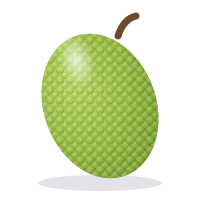 | Jackfruit | 菠萝蜜 | bōluómì | |
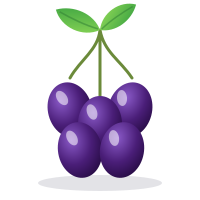 | Java Plum | 蒲桃 | pútáo | |
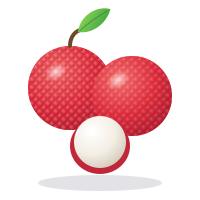 | Lychee | 荔枝 | lìzhī | |
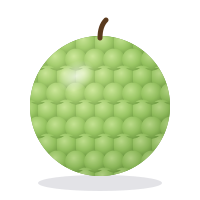 | Custard Apple | 释迦果 | shìjiāguǒ | |
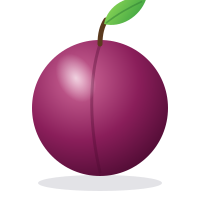 | Plum | 李子 | lǐzi | |
 | Indian Gooseberry | 油柑 | yóugān | |
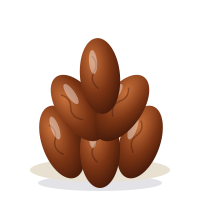 | Dates | 椰枣 | yēzǎo | |
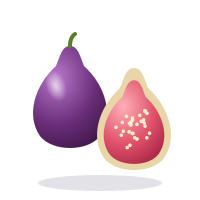 | Fig | 无花果 | wúhuāguǒ |
Fruits name in Chinese is a delicious topic, because your child can taste every word. This page has 30 fruits with pictures, pinyin and clear Mandarin audio, from everyday 苹果 (píngguǒ, apple) and 香蕉 (xiāngjiāo, banana) to 荔枝 (lìzhī, lychee), a fruit that has grown in southern China for over two thousand years. Tap a picture to hear the name in Chinese and English, then play Find it when a few fruits feel familiar.
Everyday fruits in Chinese
Start with the fruits in your fruit bowl: 苹果 (apple), 香蕉 (banana, "fragrant banana"), 橙子 (chéngzi, orange), 葡萄 (pútao, grapes), 西瓜 (xīguā, watermelon), 草莓 (cǎoméi, strawberry, "grass berry") and 梨 (lí, pear). These seven words cover most snack times for a two- or three-year-old. Then add summer favourites like 桃子 (táozi, peach), 樱桃 (yīngtáo, cherry) and 芒果 (mángguǒ, mango).
The 果 family: how Chinese fruit names work
The character 果 (guǒ) means fruit, and it hides inside many fruit names: 苹果 (apple), 芒果 (mango), 无花果 (wúhuāguǒ, fig, "no-flower fruit") and 人心果 (rénxīnguǒ, sapodilla, "human-heart fruit"). The general word for fruit is 水果 (shuǐguǒ, "water fruit"). Another family ends in 瓜 (guā, melon): 西瓜 (watermelon, "western melon"), 甜瓜 (tiánguā, muskmelon, "sweet melon") and 木瓜 (mùguā, papaya, "tree melon"). Five-year-olds enjoy spotting these repeating characters; point them out in the word list above.
Some names are fun to translate literally: the kiwi is 猕猴桃 (míhóutáo, "macaque peach", because monkeys love it), the pineapple is 菠萝 (bōluó) and the jackfruit is 菠萝蜜 (bōluómì, "pineapple honey"). Blueberry is simply 蓝莓 (lánméi, "blue berry"), so it doubles as a colour lesson with colours in Chinese.
Fruits in Chinese culture and festivals
| Fruit | Chinese | Why it matters |
|---|---|---|
| Orange / mandarin | 橙子、橘子 | Given at Chinese New Year: 橘 (jú) sounds like 吉 (jí, lucky), and the gold colour means wealth. |
| Apple | 苹果 píngguǒ | 苹 sounds like 平安 (píng'ān, peace), so apples are gifts on Christmas Eve, called 平安夜. |
| Peach | 桃子 táozi | A symbol of long life; peach-shaped buns are served at birthdays for grandparents. |
| Pomegranate | 石榴 shíliu | Its many seeds stand for a big, happy family. |
| Pear | 梨 lí | Friends avoid cutting one pear to share, because 分梨 sounds like 分离, "to separate". |
| Lychee | 荔枝 lìzhī | A summer treat from Guangdong and Fujian; the red shell peels like a little gift. |
At the Mid-Autumn Festival, families share mooncakes and seasonal fruits such as pomelo and grapes under the full moon. Put a plate of fruit on the table and name each one in Chinese before you eat it.
How to teach fruits in Chinese at home
- Snack-time naming. Say the Chinese name as you hand over each piece: "香蕉!" Your child hears it in context, which is the best way to learn.
- Market walk. At the supermarket or a Chinese grocer, ask "苹果在哪里?" (Where is the apple?), the same question Golu asks in Find it.
- Colour sorting. Sort real or toy fruit into red, yellow and green, naming both the fruit and the colour.
- Counting fruit. "一个、两个、三个葡萄" links fruit to numbers in Chinese.
- Taste test. Blindfold game: taste and guess the fruit in Chinese. Older children adore this.
Keep sessions to five or ten minutes and sit with your child. If they would rather eat the fruit than name it, let them: a happy child learns more than a pressured one.
A note on fruits across regions
Some names change between places. The pineapple is 菠萝 in mainland China but often 凤梨 (fènglí) in Taiwan, and the kiwi is sometimes called 奇异果 (qíyìguǒ). Guava appears here as 番石榴, while in Taiwan people often say 芭乐. If grandparents use a different word, that is a lovely conversation to have with your child: both words are right. This page also includes Indian and tropical fruits such as custard apple (释迦果) and Java plum, which is helpful for families living in South and Southeast Asia.
Apple, banana, mango: quick answers
A few fruits come up in almost every family. Apple in Chinese is 苹果 (píngguǒ); banana in Chinese is 香蕉 (xiāngjiāo); mango in Chinese is 芒果 (mángguǒ), a word that sounds a lot like English. Watermelon in Chinese is 西瓜 (xīguā), strawberry in Chinese is 草莓 (cǎoméi) and grapes in Chinese are 葡萄 (pútao). For the pronunciation of each fruit, play it two or three times and copy the melody of the voice; the pinyin in the word list reminds you which tone to use.
For heritage and diaspora families
Food is the easiest place to keep a heritage language alive. Even if your family speaks English most of the day, fruit time can stay in Chinese. Label the fruit bowl with Chinese characters, let your child ask for fruit in Mandarin, and let grandparents run the fruit game on a video call. The word list above prints neatly from your browser as a Chinese fruits chart for the fridge; there is no separate PDF worksheet. When fruit is going well, try vegetables in Chinese or compare with fruits in Japanese.
和孩子一起认识水果
吃水果的时候就是学中文的好时候。递给孩子一块苹果,就说“苹果”;剥一根香蕉,就说“香蕉”。去超市的时候,可以问孩子:“西瓜在哪里?草莓在哪里?”让孩子自己找一找、指一指。
很多水果名字里都有“果”字和“瓜”字,比如苹果、芒果、西瓜、木瓜。大一点的孩子可以玩“找字”游戏。过年的时候吃橘子,中秋节的时候吃月饼和水果,也可以和孩子说一说这些水果背后的好意思。
How to use this page at home
Say it, then find it
Play for a few minutes, then look for the same thing away from the screen: chinese words on the shelf, in the kitchen, on the way to school. A child learns a word properly when they meet it twice, once on the screen and once in their hand.
Ten minutes is enough
Short and happy beats long and tired. Stop while your child still wants more, and come back tomorrow: the same page on five short days teaches far more than one long sitting. Nothing here is scored, so there is no reason to push.
Use both languages
Tap the language button at the top to hear the words in your home language first and the second language after. Hearing the same picture named in two languages is one of the few things research agrees builds attention as well as vocabulary.