German alphabet chart with pictures
30 letters · tap 🔊 to hear each one.
| Picture | Letter | Word | Meaning | Listen |
|---|---|---|---|---|
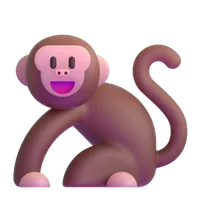 | A | Affe | monkey | |
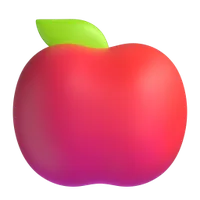 | Ä | Äpfel | apples | |
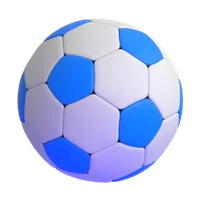 | B | Ball | ball | |
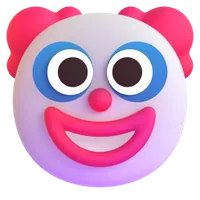 | C | Clown | clown | |
 | D | Delfin | dolphin | |
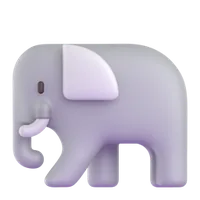 | E | Elefant | elephant | |
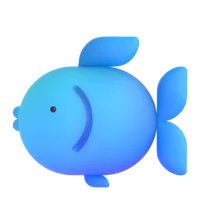 | F | Fisch | fish | |
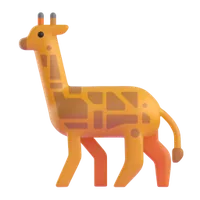 | G | Giraffe | giraffe | |
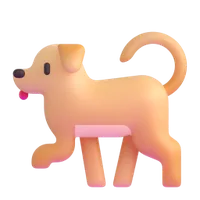 | H | Hund | dog | |
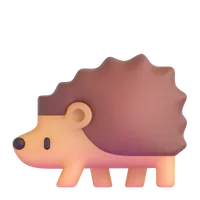 | I | Igel | hedgehog | |
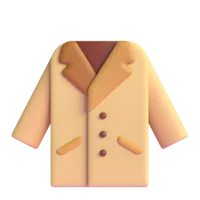 | J | Jacke | jacket | |
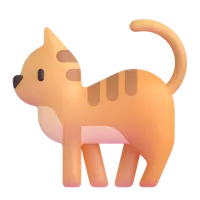 | K | Katze | cat | |
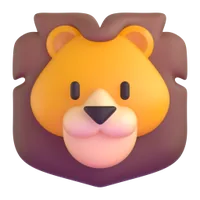 | L | Löwe | lion | |
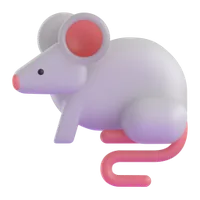 | M | Maus | mouse | |
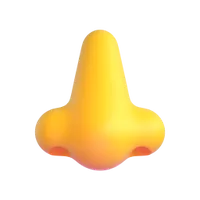 | N | Nase | nose | |
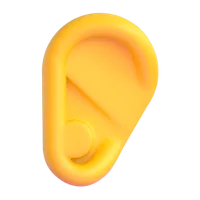 | O | Ohr | ear | |
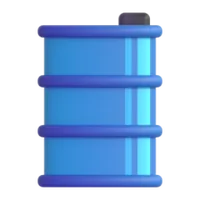 | Ö | Öl | oil | |
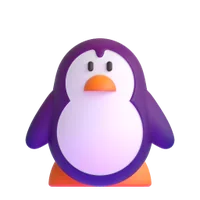 | P | Pinguin | penguin | |
 | Q | Qualle | jellyfish | |
 | R | Rakete | rocket | |
 | S | Sonne | sun | |
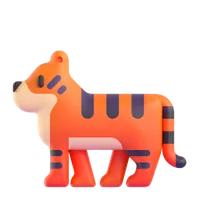 | T | Tiger | tiger | |
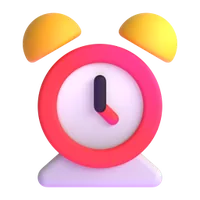 | U | Uhr | clock | |
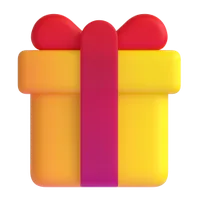 | Ü | Überraschung | surprise | |
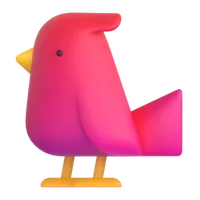 | V | Vogel | bird | |
 | W | Wal | whale | |
| X | Xylofon | xylophone | ||
| Y | Yak | yak | ||
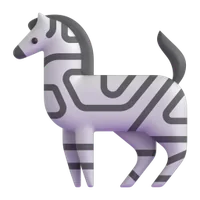 | Z | Zebra | zebra | |
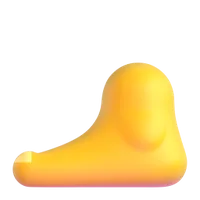 | ß | Fuß | foot |
The German alphabet for kids starts with the same 26 letters as English, then adds four special ones: the umlauts Ä, Ö, Ü and the sharp S, ß. This page shows all 30 on picture cards, just like the Anlauttabelle (first-sound chart) on the wall of a German classroom: A wie Affe (A as in monkey), B wie Ball, K wie Katze, all the way to Z wie Zebra and ß wie Fuß. Tap a card to hear the letter and its word in clear audio, then play Find it or Memory.
How many letters are in the German alphabet?
German has 26 basic letters, the same as English, plus the three umlauts and ß, so children usually learn 30 shapes in total. The letter names differ from English, and this is where most English-speaking families get surprised: A is "ah", E is "ay", I is "ee", J is "yot", V is "fow", W is "vay" and Z is "tset". The umlauts are said as their own sound: Ä like the "e" in "bed", Ö like the vowel in British "bird" said with rounded lips, and Ü like "ee" with lips pushed into a tight circle. The ß is called Eszett or scharfes S, and it sounds like a hissing "s".
German letter names and sounds that differ from English
| Letter | German name | Usual sound in words | Card word |
|---|---|---|---|
| J | yot | like English "y" | Jacke (jacket) |
| V | fow | usually "f" | Vogel (bird) |
| W | vay | English "v" | Wal (whale) |
| Z | tset | "ts" | Zebra |
| Ä | A-Umlaut | "e" in "bed" | Äpfel (apples) |
| Ö | O-Umlaut | rounded "er" | Öl (oil) |
| Ü | U-Umlaut | "ee" with round lips | Überraschung (surprise) |
| ß | Eszett | sharp "s" | Fuß (foot) |
No German word starts with ß, so the card uses Fuß, where you hear it at the end. Swiss German spelling does not use ß at all and writes "ss" instead.
Letter names or letter sounds: how German schools teach
German kindergartens (Kita, ages three to six) do not teach reading. Children play with rhymes, clap syllables and listen for the first sound of their name. Letters are taught in the first year of Grundschule, usually by sound first: teachers say "mmm" for M rather than "em", so that children can blend M-a-m-a. Many schools use the Anlauttabelle, a chart with a picture for every sound, so that children can write words by listening. Our picture cards follow the same idea.
Three spellings confuse beginners and are worth pointing out once your child starts reading: ei sounds like English "eye" (Eis, ice cream), ie sounds like "ee" (Biene, bee), and sch sounds like "sh" (Schaf, sheep). The ch after a, o or u is a soft throat sound, as in Buch (book).
How to teach German letters at home
- Start with your child's name. Find its first letter on the chart and say its German name.
- Five letters a week. Play Listen for a few minutes, then Find it with just those letters.
- Hunt for umlauts. Look for Ä, Ö and Ü on food packets, signs and book covers. Children love finding the "letters with dots".
- Sing the ABC. The German alphabet song uses the familiar tune; the umlauts are often added at the end.
- Trace and build. Draw letters in sand or shape them with play dough, saying the sound as you go.
Play "Ich packe meinen Koffer" (I pack my suitcase) with letters: "I pack an A for Affe, a B for Ball..." Each player repeats the list and adds one. It is a classic German family game.
What to expect by age
At two to three, children enjoy the pictures and sounds, and a few may know the letter of their own name. At three to four, they begin to match a letter to a word they know, like H wie Hund. At four to five, many can hear the first sound in a word and point to it on the chart. At five to six, the age of German Vorschule, children often recognise most capital letters and start writing their name. If your child is also learning the English ABCD, keep the two apart at first: German letters in German time, English letters in English time.
Tips for bilingual and expat families
Children in English-speaking homes may read W as "w" and J as "j". That is normal. Gently say the German sound and move on, without correcting too often. If your child will start school in Germany, knowing the letter sounds and the umlauts before the first day, the day of the Schultüte, gives real confidence. Keep screen sessions short and sit together; under-twos learn letters better from books and a grown-up than from a screen. Praise effort ("You listened so carefully!") rather than only right answers.
Das deutsche ABC für Kinder
Das deutsche Alphabet hat 26 Buchstaben und dazu die Umlaute Ä, Ö, Ü und das ß. Auf dieser Seite hat jeder Buchstabe ein Bild und ein Wort: A wie Affe, B wie Ball, H wie Hund, Z wie Zebra. Ihr Kind tippt auf eine Karte und hört den Buchstaben und das Wort.
Üben Sie zuerst die Laute, nicht die Namen der Buchstaben, so wie in der Grundschule. Suchen Sie gemeinsam Buchstaben auf Schildern, Verpackungen und in Bilderbüchern. Ein paar Minuten am Tag reichen völlig aus.
Next, try numbers in German or the animals in German game, where many alphabet words appear again. For a comparison, the Dutch alphabet uses the same 26 letters but no umlauts.
How to use this page at home
Say it, then find it
Play for a few minutes, then look for the same thing away from the screen: german words on the shelf, in the kitchen, on the way to school. A child learns a word properly when they meet it twice, once on the screen and once in their hand.
Ten minutes is enough
Short and happy beats long and tired. Stop while your child still wants more, and come back tomorrow: the same page on five short days teaches far more than one long sitting. Nothing here is scored, so there is no reason to push.
Use both languages
Tap the language button at the top to hear the words in your home language first and the second language after. Hearing the same picture named in two languages is one of the few things research agrees builds attention as well as vocabulary.