Body parts in French: word list with pictures
30 words · tap 🔊 to hear each one in French.
| Picture | English | French | Say it | Listen |
|---|---|---|---|---|
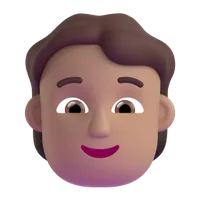 | Head | la tête | ||
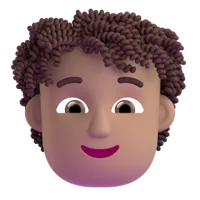 | Hair | les cheveux | ||
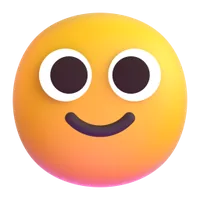 | Face | le visage | ||
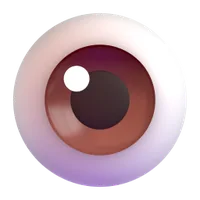 | Eye | l'œil | ||
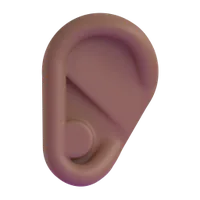 | Ear | l'oreille | ||
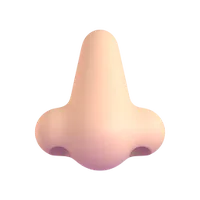 | Nose | le nez | ||
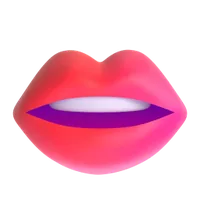 | Mouth | la bouche | ||
 | Lips | les lèvres | ||
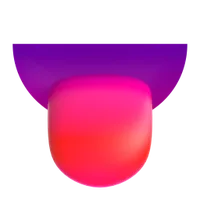 | Tongue | la langue | ||
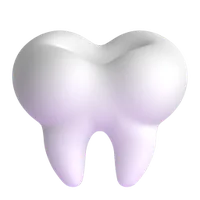 | Teeth | les dents | ||
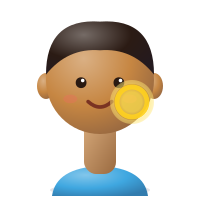 | Cheek | la joue | ||
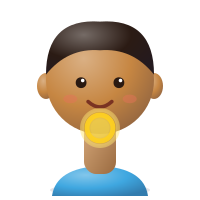 | Chin | le menton | ||
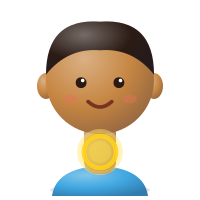 | Neck | le cou | ||
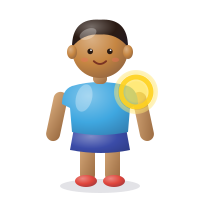 | Shoulder | l'épaule | ||
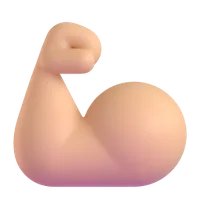 | Arm | le bras | ||
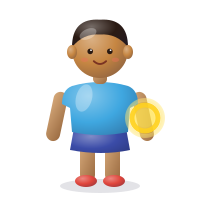 | Elbow | le coude | ||
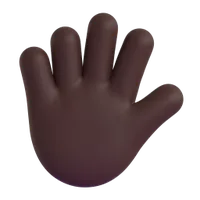 | Hand | la main | ||
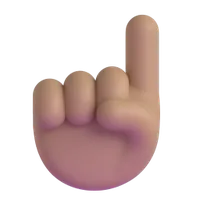 | Finger | le doigt | ||
 | Thumb | le pouce | ||
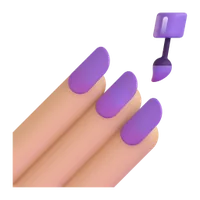 | Nail | l'ongle | ||
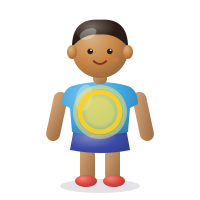 | Tummy | le ventre | ||
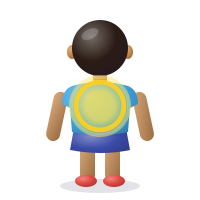 | Back | le dos | ||
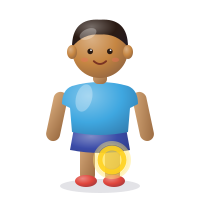 | Knee | le genou | ||
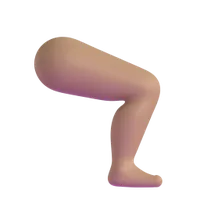 | Leg | la jambe | ||
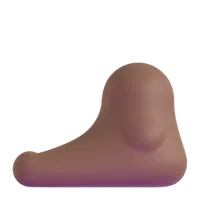 | Foot | le pied | ||
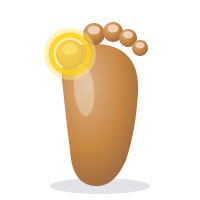 | Toe | l'orteil | ||
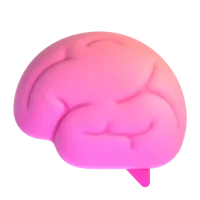 | Brain | le cerveau | ||
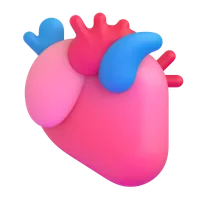 | Heart | le cœur | ||
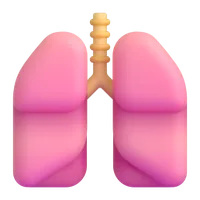 | Lungs | les poumons | ||
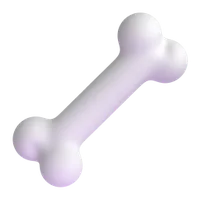 | Bones | les os |
Body parts in French are perfect first words, because your child always has them close at hand. This page has 30 body parts with pictures and clear French audio, each with its article: face words like le nez (nose), la bouche (mouth) and l'oreille (ear), arms and legs like le bras, la main, le genou and le pied, and a few inside the body, such as le cœur (heart) and les os (bones). Tap a picture to hear it in French and English, then play Find it.
The body parts in the game
Head and face: la tête, les cheveux, le visage, l'œil, l'oreille, le nez, la bouche, les lèvres, la langue, les dents, la joue, le menton. Body, arms and legs: le cou, l'épaule, le bras, le coude, la main, le doigt, le pouce, l'ongle, le ventre, le dos, le genou, la jambe, le pied, l'orteil. Inside: le cerveau, le cœur, les poumons, les os. The full list with pictures is in the word list above.
One eye, two eyes: l'œil and les yeux
French has one body word that surprises everyone: one eye is l'œil, but two eyes are les yeux, a completely different word. The game uses the singular, l'œil, but in real life your child will mostly hear les yeux: « Ferme les yeux ! » (close your eyes). Point to one eye and then both, and say each form. Children love this kind of word puzzle. The special letter œ, an o and e joined together, also appears in le cœur.
Other body words are plural because they come in groups: les cheveux (hair, always plural in French), les dents, les lèvres, les poumons. Before a vowel, les links with a "z" sound: les‿yeux sounds like "lay-zyuh".
French songs and games about the body
French preschools use songs to teach body parts every day. « Tête, épaules, genoux et pieds » is sung to the same tune as "Head, shoulders, knees and toes". « Jean Petit qui danse » is an old dancing song where Jean Petit dances with his finger, then his foot, then his knee, adding one body part each verse. Babies and toddlers love « Ainsi font, font, font les petites marionnettes », twirling their hands like puppets. And the French version of "Simon says" is « Jacques a dit »: « Jacques a dit : touche ton nez ! »
Little words French parents use
| Child word | Meaning | When you hear it |
|---|---|---|
| un bobo | a little hurt | after a bump: « Tu as un bobo ? » |
| un bisou | a kiss | on the joue, at bedtime |
| le petit doigt | little finger | « Mon petit doigt m'a dit... » ("a little bird told me") |
| le bidon | tummy (informal) | playful talk with toddlers |
Using the game
Tap any picture in Listen mode to hear the word. When your child knows the face words, try Find it: Golu asks « Où est le nez ? » and your child taps the picture. Make it a two-step game by asking them to touch their own nose too. A wrong tap never gets a "wrong"; Golu gives a hint, then a glow on the answer, and every round ends with a marble in the Goli Jar. For children under two, singing and touching real noses and toes is better than any screen; for older children, five to ten shared minutes is enough.
How to teach body parts at home
- Mirror game. Stand at a mirror: « Montre-moi ton oreille ! » (show me your ear).
- Teddy doctor. Play doctor: « Tu as mal où ? Au ventre ? » (where does it hurt? your tummy?).
- Bath time. Name each part as you wash it: les bras, les mains, les jambes, les pieds.
- Draw a person. Draw together and name each part as you add it.
At 2-3, children point to eyes, nose, mouth and tummy. At 3-4, they add arms, legs and hands. At 4-5, they name le coude and le genou and count dix doigts. At 5-6, they grow curious about the heart and bones; put your child's hand on their chest to feel le cœur beating. For children with sensory sensitivities, point to a doll or picture instead of touching.
Teaching the correct names for all body parts, including private parts, helps children tell a trusted adult if something hurts or feels wrong. Use calm, simple words and teach that their body belongs to them.
Next, try colours in French (what colour are your eyes?), the English body parts name page, or body parts in Mexican Spanish. Print this page from your browser for a picture list.
Mon corps : on bouge ensemble
Apprendre les parties du corps, c'est plus facile en bougeant. Chantez « Tête, épaules, genoux et pieds », d'abord lentement, puis de plus en plus vite, et voyez qui rit le premier.
À l'heure du bain, nommez chaque partie : la tête, les oreilles, le ventre et les petits pieds. Et quand votre enfant se fait un bobo, un bisou et un câlin lui diront qu'il est en sécurité et qu'on l'aime.
How to use this page at home
Say it, then find it
Play for a few minutes, then look for the same thing away from the screen: french words on the shelf, in the kitchen, on the way to school. A child learns a word properly when they meet it twice, once on the screen and once in their hand.
Ten minutes is enough
Short and happy beats long and tired. Stop while your child still wants more, and come back tomorrow: the same page on five short days teaches far more than one long sitting. Nothing here is scored, so there is no reason to push.
Use both languages
Tap the language button at the top to hear the words in your home language first and the second language after. Hearing the same picture named in two languages is one of the few things research agrees builds attention as well as vocabulary.