Fruits in Spanish: word list with pictures
30 words · tap 🔊 to hear each one in Spanish.
| Picture | English | Spanish | Say it | Listen |
|---|---|---|---|---|
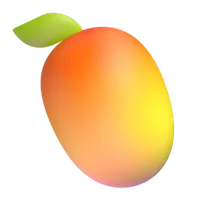 | Mango | Mango | ||
 | Banana | Plátano | ||
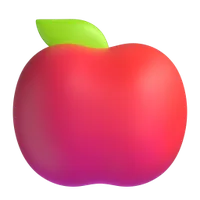 | Apple | Manzana | ||
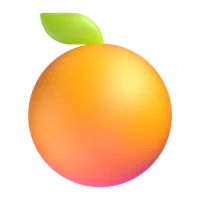 | Orange | Naranja | ||
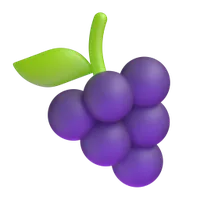 | Grapes | Uvas | ||
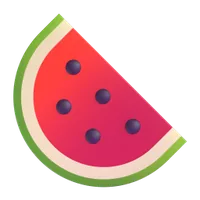 | Watermelon | Sandía | ||
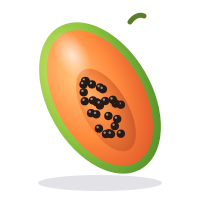 | Papaya | Papaya | ||
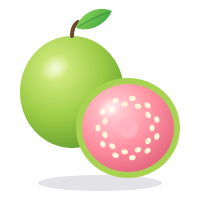 | Guava | Guayaba | ||
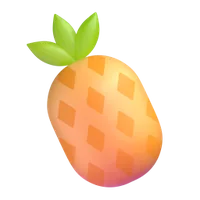 | Pineapple | Piña | ||
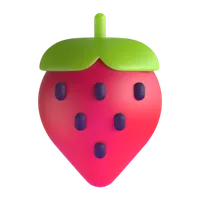 | Strawberry | Fresa | ||
 | Cherry | Cereza | ||
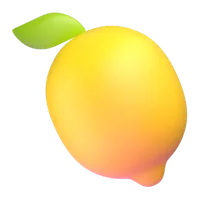 | Lemon | Limón | ||
 | Coconut | Coco | ||
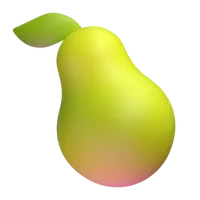 | Pear | Pera | ||
 | Pomegranate | Granada | ||
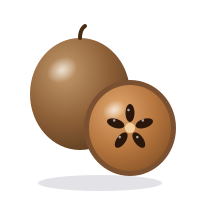 | Sapodilla | Zapote | ||
 | Peach | Melocotón | ||
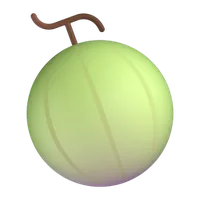 | Muskmelon | Melón | ||
 | Kiwi | Kiwi | ||
 | Green Apple | Manzana verde | ||
 | Blueberry | Arándano | ||
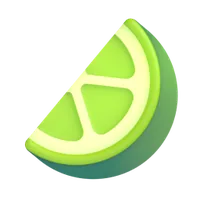 | Lime | Lima | ||
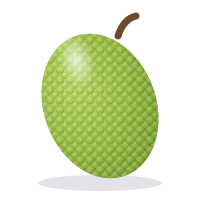 | Jackfruit | Yaca | ||
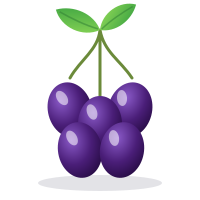 | Java Plum | Jamun | ||
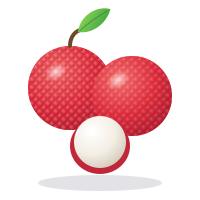 | Lychee | Lichi | ||
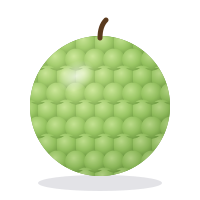 | Custard Apple | Chirimoya | ||
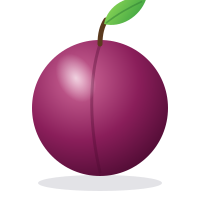 | Plum | Ciruela | ||
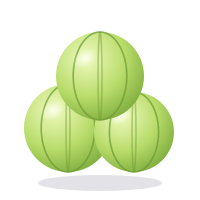 | Indian Gooseberry | Amla | ||
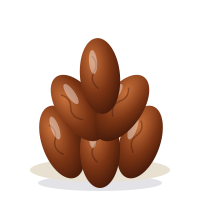 | Dates | Dátiles | ||
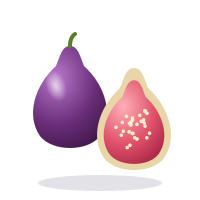 | Fig | Higo |
Fruits in Spanish are perfect first words because your child can see, hold and eat them. This page has 30 fruits with pictures and clear audio, from everyday la manzana (apple) and el plátano (banana) to la sandía (watermelon), la piña (pineapple) and el mango. Tap a picture to hear its name in Spanish and English, then play Find it or Memory.
First fruits to learn in Spanish
For a toddler, begin with the fruit you actually have at home. Most families start with manzana (apple), plátano (banana), naranja (orange), uvas (grapes) and fresa (strawberry). Add pera (pear), limón (lemon), melón and sandía in summer. Say the word each time you peel, wash or share the fruit, and your child will link the sound to the taste, which is a powerful memory.
A fun fact for older children: naranja means both the fruit orange and the colour orange, just like in English. You can link this page with colours in Spanish: la fresa es roja, el plátano es amarillo.
Tropical fruits and fruits from India
Our list includes fruits that families in India, the Gulf and Asia see every day, so their Spanish names may be new even to Spanish speakers. Guayaba is guava, papaya is papaya, coco is coconut, granada is pomegranate, yaca is jackfruit and lichi is lychee. Chikoo is zapote, and custard apple is chirimoya, a fruit that grows in southern Spain and the Andes. Jamun and amla keep their Indian names in Spanish, because there is no everyday Spanish word for them.
Spain and Latin America: some fruit words differ
| English | Spain (this page) | Often in Latin America |
|---|---|---|
| Banana | plátano | banana, banano or guineo |
| Peach | melocotón | durazno |
| Strawberry | fresa | fresa; frutilla in Argentina and Chile |
| Pineapple | piña | piña; ananá in Argentina |
| Juice | zumo | jugo |
If your family uses Latin American words, the Latin American Spanish pack has the same games with those words and a Latin American voice. Children happily learn that one fruit can have two names.
Fruit in Spanish-speaking cultures
In Spain and many Latin American countries, families eat twelve grapes (las doce uvas) at midnight on New Year's Eve, one for each chime of the clock, making a wish with each. It is a lovely story to share when you learn uvas and practise counting to twelve on the numbers in Spanish page. Across Mexico, fresh fruit cups with lime are sold in markets, and in Spain the orange trees of Valencia and Seville are famous.
How to teach fruit names in Spanish at home
- Snack-time Spanish. Offer a choice: "¿Manzana o plátano?" Your child answers in Spanish to get the one they want.
- Market trip. Name the fruit you pick up at the shop or market and count them into the bag: una, dos, tres naranjas.
- Feely bag. Put a fruit in a cloth bag and ask your child to guess by touch: "¿Qué es?"
- Colour sort. Group red, yellow and green fruit on a plate and name both fruit and colour.
- Pretend shop. Play shopkeeper with toy fruit: "Quiero una pera, por favor."
Make a fruit salad (macedonia in Spain, ensalada de frutas in Latin America). Your child names each fruit as it goes into the bowl.
What to expect by age
At 2-3, children learn 4-6 fruit names from daily snacks and can point to them in Find it. At 3-4, they name 10-15 fruits and start pairing them with colours. At 4-5, they use short phrases like "Me gusta la sandía" ("I like watermelon"). At 5-6, they can read short words such as pera, uva and coco. Keep sessions to a few minutes, play alongside your child, and remember that under-twos learn fruit best by holding and tasting the real thing. For the same fruit in Hindi and English, visit fruits name in Hindi and English, and continue with vegetables in Spanish.
Nombres de frutas para niños
En esta página hay 30 frutas con dibujo y audio claro: la manzana, el plátano, la naranja, las uvas, la fresa, la sandía y muchas más, incluidas frutas tropicales como la guayaba, la papaya y el mango.
La mejor manera de aprender los nombres de frutas es en la cocina y en el mercado. Deje que su hijo elija la fruta de la merienda diciendo su nombre, cuenten las piezas y hablen de sus colores. En Nochevieja, cuéntele la tradición de las doce uvas y practiquen los números del uno al doce.
How to use this page at home
Say it, then find it
Play for a few minutes, then look for the same thing away from the screen: spanish words on the shelf, in the kitchen, on the way to school. A child learns a word properly when they meet it twice, once on the screen and once in their hand.
Ten minutes is enough
Short and happy beats long and tired. Stop while your child still wants more, and come back tomorrow: the same page on five short days teaches far more than one long sitting. Nothing here is scored, so there is no reason to push.
Use both languages
Tap the language button at the top to hear the words in your home language first and the second language after. Hearing the same picture named in two languages is one of the few things research agrees builds attention as well as vocabulary.