Animals in Spanish: word list with pictures
60 words · tap 🔊 to hear each one in Spanish.
| Picture | English | Spanish | Say it | Listen |
|---|---|---|---|---|
 | Cow | Vaca | ||
 | Bull | Toro | ||
 | Buffalo | Búfalo | ||
 | Goat | Cabra | ||
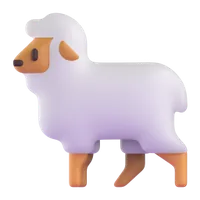 | Sheep | Oveja | ||
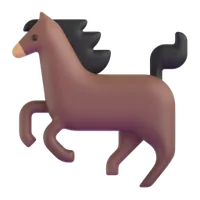 | Horse | Caballo | ||
 | Donkey | Burro | ||
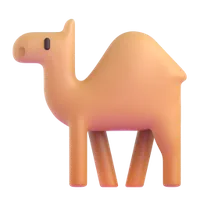 | Camel | Camello | ||
 | Pig | Cerdo | ||
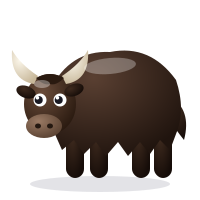 | Yak | Yak | ||
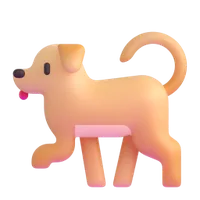 | Dog | Perro | ||
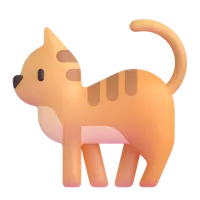 | Cat | Gato | ||
 | Rabbit | Conejo | ||
 | Hamster | Hámster | ||
 | Mouse | Ratón | ||
 | Elephant | Elefante | ||
 | Lion | León | ||
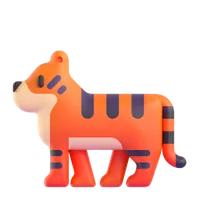 | Tiger | Tigre | ||
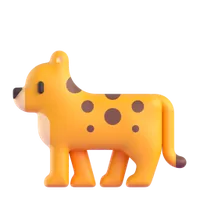 | Leopard | Leopardo | ||
 | Bear | Oso | ||
 | Monkey | Mono | ||
 | Gorilla | Gorila | ||
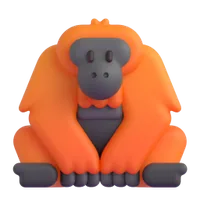 | Orangutan | Orangután | ||
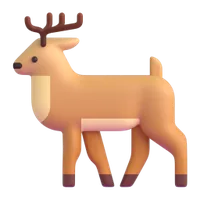 | Deer | Ciervo | ||
 | Zebra | Cebra | ||
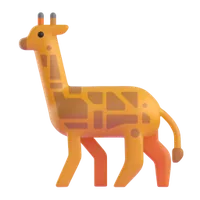 | Giraffe | Jirafa | ||
 | Hippo | Hipopótamo | ||
 | Rhino | Rinoceronte | ||
 | Fox | Zorro | ||
 | Wolf | Lobo | ||
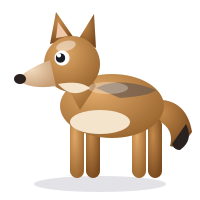 | Jackal | Chacal | ||
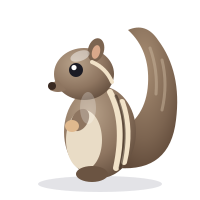 | Squirrel | Ardilla | ||
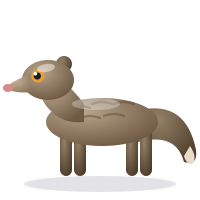 | Mongoose | Mangosta | ||
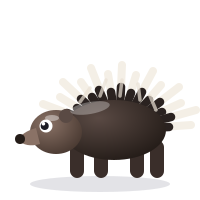 | Porcupine | Puercoespín | ||
 | Hedgehog | Erizo | ||
 | Kangaroo | Canguro | ||
 | Koala | Koala | ||
 | Panda | Panda | ||
 | Polar Bear | Oso polar | ||
 | Sloth | Perezoso | ||
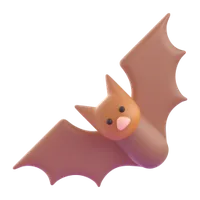 | Bat | Murciélago | ||
 | Wild Boar | Jabalí | ||
 | Indian Bison | Gaur | ||
 | Rat | Rata | ||
 | Fish | Pez | ||
 | Goldfish | Pez dorado | ||
 | Frog | Rana | ||
 | Whale | Ballena | ||
 | Dolphin | Delfín | ||
 | Shark | Tiburón | ||
 | Octopus | Pulpo | ||
 | Crab | Cangrejo | ||
 | Prawn | Gamba | ||
 | Squid | Calamar | ||
 | Seal | Foca | ||
 | Jellyfish | Medusa | ||
 | Pufferfish | Pez globo | ||
 | Otter | Nutria | ||
 | Starfish | Estrella de mar | ||
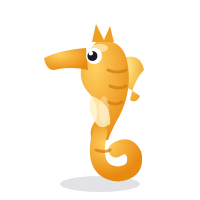 | Seahorse | Caballito de mar |
Animals in Spanish are often the first words children love to learn, because every animal comes with a picture, a sound and a story. This page has 60 animals with pictures and clear audio, from farm favourites like la vaca (cow) and el caballo (horse) to wild animals such as el león and la jirafa, and sea animals like la ballena (whale) and el pulpo (octopus). Tap a picture to hear it in Spanish and English, then play Find it when a few names feel familiar.
Farm animals in Spanish
Start with los animales de la granja, because children see them in books, songs and on trips: vaca (cow), toro (bull), cabra (goat), oveja (sheep), caballo (horse), burro (donkey) and cerdo (pig). Pets come next: perro (dog), gato (cat), conejo (rabbit) and ratón (mouse). These ten words cover most of the animals a two- or three-year-old meets.
Wild and zoo animals in Spanish
Many zoo animals sound close to English, which gives children a quick win: elefante, tigre, gorila, panda, koala, canguro, cebra. Others are new and fun to say: mono (monkey), oso (bear), zorro (fox), lobo (wolf), ardilla (squirrel), erizo (hedgehog) and the long favourite hipopótamo. The sloth is el perezoso, which literally means "the lazy one", and children find that very funny.
Sea and water animals in Spanish
Los animales del mar include pez (fish), ballena (whale), delfín (dolphin), tiburón (shark), cangrejo (crab), medusa (jellyfish), foca (seal) and estrella de mar (starfish, "star of the sea"). The seahorse is caballito de mar, "little horse of the sea". Point out how these names describe the animal: it helps children guess new words later.
Why some animals have el and others la
Every Spanish noun is masculine or feminine, and you will hear it in the little word in front: el perro, la vaca. Many animals change their ending for male and female: el gato / la gata, el perro / la perra, el oso / la osa. Others keep one word for both, like la jirafa or el tiburón. You do not need to explain grammar to a toddler. Just say the article every time ("¡Mira, el elefante!") and your child will absorb the pattern.
Animal sounds in Spanish
Animals "speak" differently in Spanish, which children find delightful. A dog says guau guau, a cat says miau, a cow says mu, a duck says cuac cuac, a rooster says quiquiriquí and a chick says pío pío. Sing the traditional song "Los pollitos dicen pío, pío, pío", then try our animal sounds game and compare the English sounds.
How to teach animal names in Spanish at home
- Five at a time. Choose five animals and play Listen for two minutes.
- Toy box sort. Put plastic animals on the floor and ask "¿Dónde está el caballo?" ("Where is the horse?").
- Act it out. Say "¡Soy un mono!" and move like a monkey. Take turns.
- Books and walks. Name every perro, gato and pájaro you see outside.
- Letter link. Many animals appear on the Spanish alphabet cards: J de jirafa, O de oso.
Play "What am I?": describe an animal in simple Spanish, such as "Es grande y gris, tiene trompa" ("It is big and grey, it has a trunk"), and let your child tap the right picture.
What to expect by age
A 2-3 year old can learn 5-10 animal names in Spanish, mostly pets and farm animals, and will enjoy the sounds most. At 3-4, children name 15-20 animals and start sorting them into farm, wild and sea. At 4-5, they use short sentences like "El león es grande". At 5-6, children can read short names like oso, pato and foca. If your child is shy about speaking, let them point first; talking follows understanding. For English and Hindi animal names, see animals name in Hindi and English.
The words here are Spain Spanish. A few change in Latin America, and the pronunciation differs a little, so families from Mexico or South America may prefer the Latin American Spanish pack.
Nombres de animales para niños
En esta página su hijo encontrará 60 animales con dibujo y audio: animales de la granja como la vaca, la oveja y el caballo; animales salvajes como el león, el tigre y el elefante; y animales del mar como la ballena, el delfín y el pulpo.
Para aprender los nombres de animales, jueguen unos minutos, imiten los sonidos (guau, miau, mu) y busquen animales en cuentos, en el parque o en el zoológico. Diga siempre el artículo, el perro o la vaca, y su hijo aprenderá el género de forma natural.
How to use this page at home
Say it, then find it
Play for a few minutes, then look for the same thing away from the screen: spanish words on the shelf, in the kitchen, on the way to school. A child learns a word properly when they meet it twice, once on the screen and once in their hand.
Ten minutes is enough
Short and happy beats long and tired. Stop while your child still wants more, and come back tomorrow: the same page on five short days teaches far more than one long sitting. Nothing here is scored, so there is no reason to push.
Use both languages
Tap the language button at the top to hear the words in your home language first and the second language after. Hearing the same picture named in two languages is one of the few things research agrees builds attention as well as vocabulary.