Vegetables in Portuguese (Brazil): word list with pictures
30 words · tap 🔊 to hear each one in Portuguese (Brazil).
| Picture | English | Portuguese (Brazil) | Say it | Listen |
|---|---|---|---|---|
 | Potato | Batata | ||
 | Tomato | Tomate | ||
 | Onion | Cebola | ||
 | Carrot | Cenoura | ||
 | Peas | Ervilhas | ||
 | Cucumber | Pepino | ||
 | Brinjal | Berinjela | ||
 | Okra | Quiabo | ||
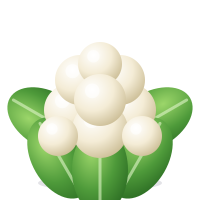 | Cauliflower | Couve-flor | ||
 | Cabbage | Repolho | ||
 | Bottle Gourd | Cabaça | ||
 | Spinach | Espinafre | ||
 | Pumpkin | Abóbora | ||
 | Corn | Milho | ||
 | Capsicum | Pimentão | ||
 | Chilli | Pimenta | ||
 | Garlic | Alho | ||
 | Ginger | Gengibre | ||
 | Broccoli | Brócolis | ||
 | Mushroom | Cogumelo | ||
 | Sweet Potato | Batata-doce | ||
 | Radish | Rabanete | ||
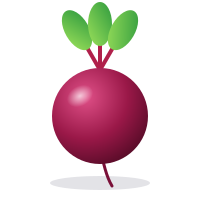 | Beetroot | Beterraba | ||
 | Bitter Gourd | Melão-de-são-caetano | ||
 | Green Beans | Vagem | ||
 | Coriander | Coentro | ||
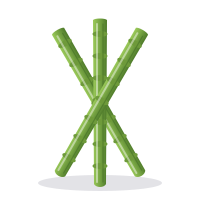 | Drumstick | Moringa | ||
 | Ridge Gourd | Bucha | ||
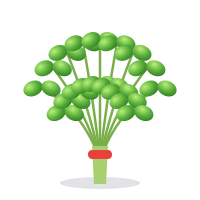 | Fenugreek Leaves | Feno-grego | ||
 | Raw Banana | Banana verde |
Vegetables in Portuguese can turn dinner into a small game. This page has 30 vegetables with pictures and clear Brazilian audio, from the everyday batata (potato), tomate and cenoura (carrot) to quiabo (okra), abóbora (pumpkin) and milho (corn). Tap a picture to hear its name, then play Find it, where Golu asks for a vegetable and your child taps the right one.
Legumes, verduras: what Brazilians call vegetables
You will hear two words in Brazil. Legumes are vegetables you usually cook, such as cenoura, abóbora, berinjela and batata. Verduras are leafy greens, like espinafre (spinach), coentro (coriander) and lettuce. At school, a teacher may call both hortaliças, "things from the vegetable garden". Your child does not need these categories, but it helps you when you read Brazilian picture books.
The first ten vegetables to learn
Start with what you cook most. In many homes that is batata, tomate, cebola (onion), cenoura, pepino (cucumber), ervilhas (peas), milho, abóbora, alho (garlic) and brócolis. Brócolis looks like a tiny tree, a picture children remember, and alho has many "little teeth", dentinhos, which is how Brazilians describe garlic cloves. Hold up the real vegetable, say its name, and let your child touch, smell and, if they want, taste.
Vegetable names in Brazil and Portugal
This topic has more differences than most. If you speak Portugal's Portuguese, try the vegetables in European Portuguese game.
| English | Brazil | Portugal |
|---|---|---|
| broccoli | brócolis | brócolos |
| green beans | vagem | feijão-verde |
| bell pepper | pimentão | pimento |
| chilli | pimenta | malagueta |
| cabbage | repolho | couve |
| aubergine | berinjela | beringela |
Festa Junina and the corn season
If there is one vegetable every Brazilian child knows, it is milho. In June and July, the Festa Junina celebrates the harvest with corn on the cob, popcorn (pipoca), sweet corn pudding (curau) and pamonha, a corn paste cooked in its own husk. Schools hold festivals with a bonfire, checked shirts, paper flags and the quadrilha dance. You can bring it home with a bowl of popcorn, a few flags and the word milho; the fact on the card, "Milho assado é uma delícia" ("Roast corn is delicious"), fits perfectly.
Other vegetables on a Brazilian plate are worth naming too, even though they are not in the game: mandioca (cassava), and of course feijão, the beans eaten with rice almost every day.
Play ideas with real vegetables
- Mystery bag: put a potato, carrot and onion in a cloth bag. Your child feels one and guesses: "É uma batata!"
- Under or over: talk about which vegetables grow under the ground (batata, cenoura, rabanete, beterraba) and which grow on plants.
- Colour soup: name the colours in a vegetable soup with the colours in Portuguese game: cenoura laranja, ervilhas verdes.
- A tiny garden: grow coentro or a bean in a cup, a small horta on the windowsill.
For a child who refuses vegetables, looking and naming comes before tasting. Seeing abóbora in the game, then on the plate, then in their hands, is progress even if they do not eat it yet.
What to expect by age
| Age | What to try |
|---|---|
| 2-3 | Five vegetables they see often; Listen mode and pointing at real food. |
| 3-4 | Ten to fifteen vegetables; Find it with more choices. |
| 4-5 | Sort into "grows under the ground" and "grows on a plant"; talk about colours. |
| 5-6 | Read short names like alho and milho; help write a shopping list. |
Pair this page with fruits in Portuguese for a full trip to the market, or with vegetables name in English for bilingual children.
Vegetables you may not know yet
The list includes a few vegetables common in India and parts of Brazil that may be new to you. Quiabo (okra) is loved in Minas Gerais, cooked with chicken as frango com quiabo. Bucha (ridge gourd) is the same plant whose dried fibres become a bath sponge, a fun fact for bath time. Moringa grows on trees, and melão-de-são-caetano (bitter gourd) is famously bitter. You do not need to buy them all; seeing the picture and hearing the name is enough.
Legumes e verduras para crianças
Aqui a criança aprende o nome de 30 legumes e verduras com figura e áudio: batata, tomate, cenoura, cebola, milho, abóbora, quiabo, brócolis e muitos outros.
Na hora de cozinhar, mostre o legume de verdade, diga o nome e deixe a criança tocar e cheirar. Na Festa Junina, fale do milho, da pipoca e da pamonha. Plante uma sementinha num copinho e acompanhe o crescimento. Comer começa com conhecer.
How to use this page at home
Say it, then find it
Play for a few minutes, then look for the same thing away from the screen: portuguese (brazil) words on the shelf, in the kitchen, on the way to school. A child learns a word properly when they meet it twice, once on the screen and once in their hand.
Ten minutes is enough
Short and happy beats long and tired. Stop while your child still wants more, and come back tomorrow: the same page on five short days teaches far more than one long sitting. Nothing here is scored, so there is no reason to push.
Use both languages
Tap the language button at the top to hear the words in your home language first and the second language after. Hearing the same picture named in two languages is one of the few things research agrees builds attention as well as vocabulary.