Vegetables in Portuguese (Portugal): word list with pictures
30 words · tap 🔊 to hear each one in Portuguese (Portugal).
| Picture | English | Portuguese (Portugal) | Say it | Listen |
|---|---|---|---|---|
 | Potato | Batata | ||
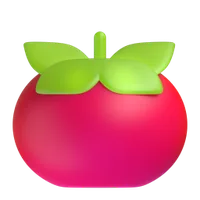 | Tomato | Tomate | ||
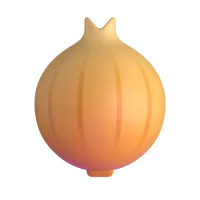 | Onion | Cebola | ||
 | Carrot | Cenoura | ||
 | Peas | Ervilhas | ||
 | Cucumber | Pepino | ||
 | Brinjal | Beringela | ||
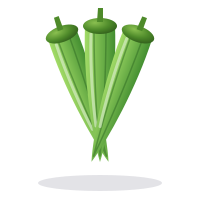 | Okra | Quiabo | ||
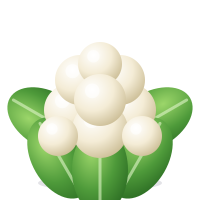 | Cauliflower | Couve-flor | ||
 | Cabbage | Couve | ||
 | Bottle Gourd | Cabaça | ||
 | Spinach | Espinafre | ||
 | Pumpkin | Abóbora | ||
 | Corn | Milho | ||
 | Capsicum | Pimento | ||
 | Chilli | Malagueta | ||
 | Garlic | Alho | ||
 | Ginger | Gengibre | ||
 | Broccoli | Brócolos | ||
 | Mushroom | Cogumelo | ||
 | Sweet Potato | Batata-doce | ||
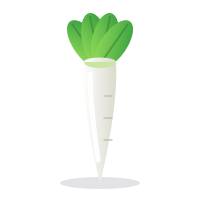 | Radish | Rabanete | ||
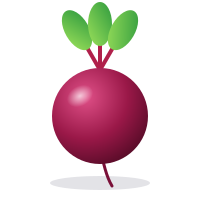 | Beetroot | Beterraba | ||
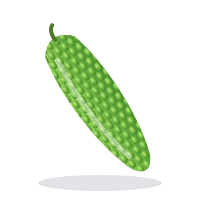 | Bitter Gourd | Melão-amargo | ||
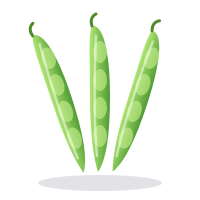 | Green Beans | Feijão-verde | ||
 | Coriander | Coentro | ||
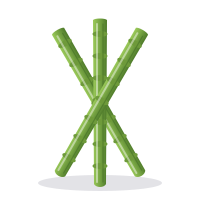 | Drumstick | Moringa | ||
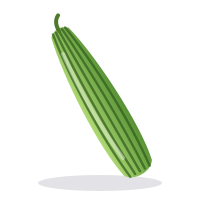 | Ridge Gourd | Lufa | ||
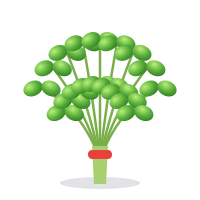 | Fenugreek Leaves | Feno-grego | ||
 | Raw Banana | Banana verde |
Vegetables in European Portuguese are words your child can use at every meal. This page has 30 vegetables, the legumes and hortaliças of the Portuguese kitchen, with pictures and clear audio: batata (potato), cenoura (carrot), tomate, cebola (onion), abóbora (pumpkin), brócolos and many more. Tap a vegetable to hear its name in Portuguese and English, then play Find it or Memory.
Soup first: vegetables in Portuguese family meals
If you grew up in Portugal, you probably remember a bowl of sopa before almost every main meal. Vegetable soup is a daily habit for many families and a regular part of lunch at the creche and jardim de infância. That makes soup the easiest place to teach vegetable names. Before blending, line up what goes in: batata, cenoura, cebola, abóbora, alho. Let your child hand each one over and say its name. Then ask, at the table, "O que tem a sopa?" (What is in the soup?).
The best-known Portuguese soup, caldo verde, is made with potato and thin strips of couve (a leafy cabbage), and it appears on every table at the Santos Populares in June. At Natal, boiled couve and batatas go with the bacalhau on Christmas Eve. Children who help make these dishes remember the words.
Vegetable words that change between Portugal and Brazil
Vegetables have more Portugal-Brazil differences than almost any other topic. This page uses the Portugal words:
| English | Portugal (this page) | Brazil |
|---|---|---|
| broccoli | brócolos | brócolis |
| bell pepper | pimento | pimentão |
| chilli | malagueta | pimenta |
| aubergine | beringela | berinjela |
| green beans | feijão-verde | vagem |
| corn on the cob | maçaroca | espiga de milho |
The card for corn says milho; a whole roasted cob is a maçaroca. For Brazil's words and accent, use vegetables in Brazilian Portuguese.
Where do vegetables grow?
Four- and five-year-olds love sorting, and this sort also teaches a little science. Some vegetables grow under the ground, some on the plant above it, and some are leaves.
| Where it grows | Vegetables on this page |
|---|---|
| Under the ground (debaixo da terra) | batata, cenoura, cebola, alho, rabanete, beterraba, batata-doce, gengibre |
| On the plant | tomate, pepino, pimento, abóbora, beringela, ervilhas, feijão-verde, milho |
| Leaves and flowers | couve, espinafre, coentro, couve-flor, brócolos |
If you have a balcony or a small horta (vegetable patch), grow one thing together. A pot of coentro or a few tomates teaches more than any screen.
Some vegetables on this page, such as quiabo (okra), cabaça, lufa, moringa, melão-amargo and feno-grego, are common in Indian and African cooking and less so in Portugal. The site is used around the world, so treat them as vegetables from other kitchens.
When your child does not like vegetables
Learning a vegetable's name is a gentle first step for a picky eater. There is no pressure to eat it, only to find it, touch it and say it. Children often need to meet a food many times before they try it. Play Find it with the vegetables on tonight's plate, then let your child find the real ones. Praise the looking and naming, not the eating: "Encontraste a cenoura! Muito bem!" If you are worried about how your child eats, talk to your paediatrician.
Five minutes a day with vegetables
- Shopping list. Before the mercado, tap three vegetables and let your child "read" the list at the stall.
- Colour sort. Group them by colour using our colours in European Portuguese: cenoura is laranja, espinafre is verde.
- Mystery bag. Hide a potato or onion in a bag and let your child guess by touch.
- Print and match. There is no PDF, but you can print this page and match the pictures with real vegetables.
For the English and Hindi words, see vegetables name, and to finish the meal, try fruits in European Portuguese.
Os legumes para crianças
Nesta página há trinta legumes com imagem e som: a batata, a cenoura, o tomate, a cebola, a abóbora, os brócolos e muitos mais. Toque num legume para ouvir o nome em português e em inglês.
A sopa é uma ótima maneira de aprender. Antes de a fazer, mostre os legumes à criança e diga o nome de cada um. Deixe-a ajudar a lavar e a contar. Não é preciso comer tudo logo: primeiro olhar, tocar e dizer o nome já é uma vitória.
How to use this page at home
Say it, then find it
Play for a few minutes, then look for the same thing away from the screen: portuguese (portugal) words on the shelf, in the kitchen, on the way to school. A child learns a word properly when they meet it twice, once on the screen and once in their hand.
Ten minutes is enough
Short and happy beats long and tired. Stop while your child still wants more, and come back tomorrow: the same page on five short days teaches far more than one long sitting. Nothing here is scored, so there is no reason to push.
Use both languages
Tap the language button at the top to hear the words in your home language first and the second language after. Hearing the same picture named in two languages is one of the few things research agrees builds attention as well as vocabulary.