Vegetables in Tamil: word list with pictures
30 words · tap 🔊 to hear each one in Tamil.
| Picture | English | Tamil | Say it | Listen |
|---|---|---|---|---|
 | Potato | உருளைக்கிழங்கு | uruḷaikkiḻaṅku | |
 | Tomato | தக்காளி | takkāḷi | |
 | Onion | வெங்காயம் | veṅkāyam | |
 | Carrot | கேரட் | kēraṭ | |
 | Peas | பட்டாணி | paṭṭāṇi | |
 | Cucumber | வெள்ளரிக்காய் | veḷḷarikkāy | |
 | Brinjal | கத்தரிக்காய் | kattarikkāy | |
 | Okra | வெண்டைக்காய் | veṇṭaikkāy | |
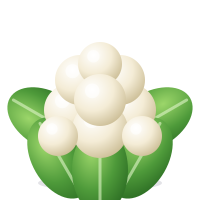 | Cauliflower | காலிஃபிளவர் | kāliḵpiḷavar | |
 | Cabbage | முட்டைக்கோஸ் | muṭṭaikkōs | |
 | Bottle Gourd | சுரைக்காய் | curaikkāy | |
 | Spinach | கீரை | kīrai | |
 | Pumpkin | பூசணிக்காய் | pūcaṇikkāy | |
 | Corn | சோளம் | cōḷam | |
 | Capsicum | குடைமிளகாய் | kuṭaimiḷakāy | |
 | Chilli | மிளகாய் | miḷakāy | |
 | Garlic | பூண்டு | pūṇṭu | |
 | Ginger | இஞ்சி | iñci | |
 | Broccoli | ப்ரோக்கோலி | prōkkōli | |
 | Mushroom | காளான் | kāḷāṉ | |
 | Sweet Potato | சர்க்கரைவள்ளிக்கிழங்கு | carkkaraivaḷḷikkiḻaṅku | |
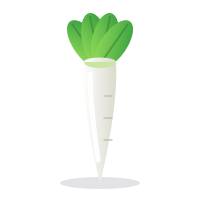 | Radish | முள்ளங்கி | muḷḷaṅki | |
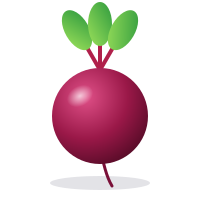 | Beetroot | பீட்ரூட் | pīṭrūṭ | |
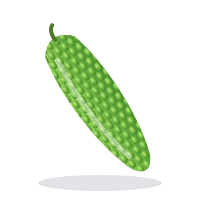 | Bitter Gourd | பாகற்காய் | pākaṟkāy | |
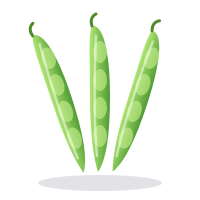 | Green Beans | பீன்ஸ் | pīṉs | |
 | Coriander | கொத்தமல்லி | kottamalli | |
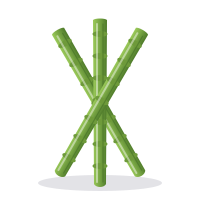 | Drumstick | முருங்கைக்காய் | muruṅkaikkāy | |
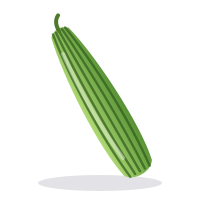 | Ridge Gourd | பீர்க்கங்காய் | pīrkkaṅkāy | |
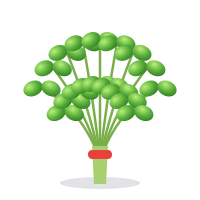 | Fenugreek Leaves | வெந்தயக் கீரை | ventayak kīrai | |
 | Raw Banana | வாழைக்காய் | vāḻaikkāy |
Vegetables name in Tamil are words children hear every day in a Tamil kitchen: தக்காளி (thakkaali, tomato) for rasam, வெங்காயம் (vengaayam, onion) for everything, and முருங்கைக்காய் (murungaikkaai, drumstick) for sambar. This page has 30 vegetables with pictures and clear audio. Tap a picture to hear the name in Tamil and English, then play Find it or Memory.
Three word families that make Tamil vegetable names easy
Most Tamil vegetable names end in one of three words. Once your child knows them, long names stop feeling hard:
| Ending | Meaning | Examples on this page |
|---|---|---|
| காய் (kaai) | a vegetable or unripe fruit that grows on a plant | கத்தரிக்காய் brinjal, வெண்டைக்காய் okra, வெள்ளரிக்காய் cucumber, சுரைக்காய் bottle gourd, பாகற்காய் bitter gourd, பீர்க்கங்காய் ridge gourd, பூசணிக்காய் pumpkin, வாழைக்காய் raw banana |
| கிழங்கு (kizhangu) | a root or tuber from under the ground | உருளைக்கிழங்கு potato, சர்க்கரைவள்ளிக்கிழங்கு sweet potato |
| கீரை (keerai) | leafy greens | கீரை spinach, வெந்தயக் கீரை fenugreek leaves |
Say it as a riddle: "It grows under the ground, so it ends in...?" Your child answers "கிழங்கு!" This turns a list into thinking.
Vegetables in Tamil cooking
The easiest way to teach vegetable names in Tamil is to connect them with favourite dishes:
- Sambar: முருங்கைக்காய் (drumstick), கத்தரிக்காய் (kathirikkaai, brinjal), வெண்டைக்காய் (vendaikkaai, okra), வெங்காயம்.
- Rasam: தக்காளி, பூண்டு (poondu, garlic), கொத்தமல்லி (kothamalli, coriander).
- Poriyal: பீன்ஸ் (beans), கேரட் (carrot), முட்டைக்கோஸ் (muttaikkose, cabbage), பீட்ரூட் (beetroot).
- Chips and fries: உருளைக்கிழங்கு (urulaikkizhangu, potato) and வாழைக்காய் (vaazhaikkaai).
- Keerai masiyal: mashed கீரை with dal, a classic first food for Tamil babies.
At Pongal, many families cook a mixed vegetable kootu with pumpkin, sweet potato and raw banana, and the whole family helps cut. Festivals are a good time to name each vegetable as it goes into the pot. Some grandparents also like to say that வெண்டைக்காய் makes children good at maths. It is a fun saying, not a promise, but it gets okra eaten.
How to teach vegetable names in Tamil
- Kitchen helper. Let your child wash the தக்காளி or pull peas out of their pods (பட்டாணி, pattaani). Say the name each time.
- Market game. At the vegetable shop, give your child one job: "Find the கேரட்."
- Colour sort. Red தக்காளி, green மிளகாய் (milagaai, chilli), purple கத்தரிக்காய், orange கேரட். Pair it with the colours in Tamil page.
- Grow one. Coriander seeds or fenugreek sprout in a few days in a small pot. Children love to watch கொத்தமல்லி grow.
- Fruit or vegetable? For 5-year-olds, sort the pictures. Then compare with the fruits in Tamil page.
| Age | Goal |
|---|---|
| 2-3 | Points to 5 vegetables when named: tomato, potato, onion, carrot, peas |
| 3-4 | Says 10 vegetables name in Tamil, knows their colours |
| 4-5 (LKG) | About 20 names; knows which grow under the ground |
| 5-6 (UKG) | All 30; sorts fruits and vegetables; reads short names |
Need 10 or 20 vegetables name in Tamil for homework? Print this page from your browser. The word list with pictures prints with Tamil and English side by side.
More ways to play with vegetable words
Pretend cooking is one of the best language games for 3- to 5-year-olds. Give your child a toy pot and a few real vegetables and "make sambar" together, naming each one in Tamil as it goes in. For counting, ask "how many வெங்காயம் in the basket?" and use the Tamil numbers from numbers in Tamil. For sorting practice, big and small works well with a pumpkin and a pea. Children who learn Hindi too can compare with the vegetables name in Hindi and English page, where தக்காளி becomes tamatar.
Tips for Tamil families abroad
Outside India, the Indian grocery store is your classroom. Drumstick, snake gourd, ridge gourd and curry leaves are often found there, and your child can learn their Tamil names in the place they see them. Supermarket vegetables like broccoli (ப்ரோக்கோலி) and capsicum (குடைமிளகாய், kudaimilagaai, "umbrella chilli") count too. Keep screen sessions short, and let the real vegetable follow the picture.
பெற்றோருக்கு
சமையலறைதான் சிறந்த வகுப்பறை. சாம்பார் செய்யும்போது முருங்கைக்காய், கத்தரிக்காய், வெங்காயம் என்று ஒவ்வொன்றின் பெயரையும் சொல்லுங்கள். குழந்தையைத் தக்காளி கழுவச் சொல்லுங்கள்.
காய், கிழங்கு, கீரை என்ற மூன்று சொற்களைக் காட்டுங்கள். மண்ணுக்குக் கீழே வளர்வது கிழங்கு. இலையாக இருப்பது கீரை. இப்படிச் சொன்னால் நீளமான பெயர்களும் எளிதாகும்.
குழந்தை காய்கறி சாப்பிட மறுத்தால் கட்டாயப்படுத்த வேண்டாம். தொட்டுப் பார்க்க, முகர்ந்து பார்க்க விடுங்கள். பெயரைச் சொல்லி விளையாடுங்கள்.
How to use this page at home
Say it, then find it
Play for a few minutes, then look for the same thing away from the screen: tamil words on the shelf, in the kitchen, on the way to school. A child learns a word properly when they meet it twice, once on the screen and once in their hand.
Ten minutes is enough
Short and happy beats long and tired. Stop while your child still wants more, and come back tomorrow: the same page on five short days teaches far more than one long sitting. Nothing here is scored, so there is no reason to push.
Use both languages
Tap the language button at the top to hear the words in your home language first and the second language after. Hearing the same picture named in two languages is one of the few things research agrees builds attention as well as vocabulary.