Vegetables in Filipino: word list with pictures
30 words · tap 🔊 to hear each one in Filipino.
| Picture | English | Filipino | Say it | Listen |
|---|---|---|---|---|
 | Potato | patatas | ||
 | Tomato | kamatis | ||
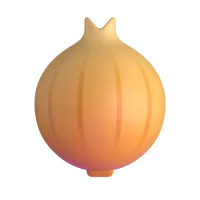 | Onion | sibuyas | ||
 | Carrot | karot | ||
 | Peas | gisantes | ||
 | Cucumber | pipino | ||
 | Brinjal | talong | ||
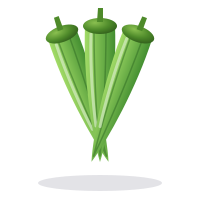 | Okra | okra | ||
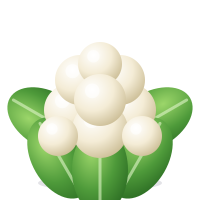 | Cauliflower | cauliflower | ||
 | Cabbage | repolyo | ||
 | Bottle Gourd | upo | ||
 | Spinach | kangkong | ||
 | Pumpkin | kalabasa | ||
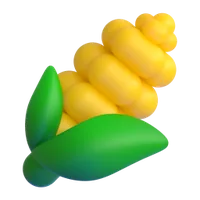 | Corn | mais | ||
 | Capsicum | bell pepper | ||
 | Chilli | sili | ||
 | Garlic | bawang | ||
 | Ginger | luya | ||
 | Broccoli | broccoli | ||
 | Mushroom | kabute | ||
 | Sweet Potato | kamote | ||
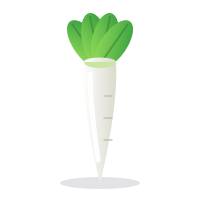 | Radish | labanos | ||
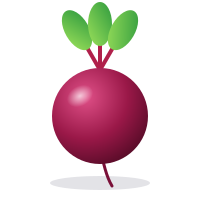 | Beetroot | beets | ||
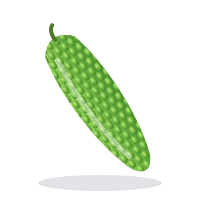 | Bitter Gourd | ampalaya | ||
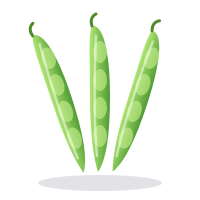 | Green Beans | sitaw | ||
 | Coriander | Wansoy | ||
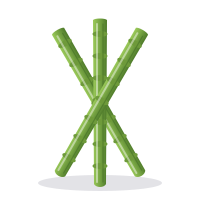 | Drumstick | malunggay | ||
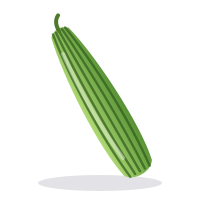 | Ridge Gourd | patola | ||
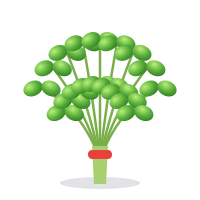 | Fenugreek Leaves | dahon ng methi | ||
 | Raw Banana | saba |
Vegetables name in Filipino gives your child words for the gulay that fill Filipino cooking, from sinigang to pinakbet. This page has 30 vegetables with pictures and clear audio, including kamatis (tomato), talong (eggplant), ampalaya (bitter gourd), kalabasa (squash), sitaw (string beans) and malunggay (moringa). Tap a picture to hear each word in Filipino and English.
Sing "Bahay Kubo"
No song teaches Filipino vegetables better than "Bahay Kubo". It describes a little nipa hut surrounded by a garden full of vegetables, and children race through the long list of names. Many of them are in this game: talong, sitaw, upo, patola, kalabasa, labanos, sibuyas, kamatis, bawang and luya. Sing it slowly, and each time you reach a vegetable, tap its picture. Older children can try to name every vegetable without singing.
Vegetables in Filipino dishes
| Dish | Vegetables inside |
|---|---|
| pinakbet | ampalaya, talong, okra, kalabasa, sitaw, kamatis |
| sinigang | kangkong, labanos, sitaw, talong, okra, kamatis |
| tinola | malunggay, luya |
| nilaga | patatas, repolyo, mais, saba |
| ginisang ampalaya | ampalaya, kamatis, sibuyas, bawang |
Children remember words for food they eat, so name each vegetable as it goes into the pot.
Vegetable words worth knowing
- Kangkong is water spinach, the everyday leafy green of the Philippines; the game uses it for the spinach card.
- Malunggay (moringa) leaves are added to soups for extra nutrition; the game shows the drumstick pod.
- Saba is the cooking banana, used in nilaga and the sweet snack turon.
- Kamote is sweet potato, sold as kamote cue on sticks.
- Spanish roots: patatas (potato), repolyo (cabbage), sibuyas (onion), gisantes (peas).
- English names: broccoli, cauliflower and bell pepper are simply used as they are.
Vegetables without the fight
Many preschoolers push away ampalaya, and that is completely normal: bitter tastes are hard for young children. Naming vegetables in a game, then washing, touching and smelling them, makes them familiar without pressure. Children often need many friendly meetings with a food before they taste it. Praise small steps: "Ang galing mo, hinawakan mo ang talong!" (Well done, you touched the eggplant!).
How to teach vegetable names at home
- Kitchen helper. Let your child wash kamatis or snap sitaw while you name them.
- Palengke walk. Point and ask "Ano ang tawag dito?" (What is this called?).
- Colour sort. Pula: tomato, chilli. Berde: ampalaya, sitaw. Dilaw: mais, kalabasa.
- Grow one. Plant sili or kamatis in a pot, just like the garden in Bahay Kubo.
- Keep going. Visit fruits in Filipino or the English vegetables name page.
At 2-3, pick five vegetables your child eats. At 4-6, add new ones and play Find it, where Golu asks for each vegetable in Filipino and gives gentle hints after a wrong tap. Then off to the real kitchen.
What to expect by age
At 2-3, children learn five or six vegetables best by holding and tasting them. At 3-4, they name 10-15 and sort by colour. At 4-5, they describe them: "Mapait ang ampalaya" (the bitter gourd is bitter), "Matamis ang mais" (the corn is sweet). At 5-6, they enjoy planting seeds and talking about roots and leaves, which fits the kalikasan (nature) theme in kindergarten.
For Filipino families abroad
Supermarket vegetables such as patatas, karot, repolyo and kamatis are the same everywhere, so name them in Filipino on every shopping trip. Filipino and Asian stores often have ampalaya, sitaw and kangkong; cooking sinigang together is a tasty language lesson.
Mga gulay para sa bata
May 30 gulay sa pahinang ito na may larawan at tunog, gaya ng kamatis, talong, ampalaya, kalabasa, sitaw at malunggay. Pindutin ang larawan para marinig ang pangalan ng gulay sa Filipino at sa Ingles.
Kantahin ang "Bahay Kubo" kasama ang bata at ituro ang bawat gulay sa laro. Isama ang bata sa pagluluto: paghuhugas ng kamatis, pagpuputol ng sitaw o pagpili ng gulay sa palengke. Huwag pilitin ang bata na kumain; sapat nang purihin siya kapag sinubukan niyang hawakan o amuyin ang bagong gulay.
Para sa mga pamilyang Pilipino sa ibang bansa, sabihin ang pangalan ng gulay tuwing mamimili. Ang patatas, karot at kamatis ay mabibili kahit saan, at ang ampalaya at sitaw ay madalas na nasa tindahang Asyano. Magluto ng sinigang nang magkasama.
How to use this page at home
Say it, then find it
Play for a few minutes, then look for the same thing away from the screen: filipino words on the shelf, in the kitchen, on the way to school. A child learns a word properly when they meet it twice, once on the screen and once in their hand.
Ten minutes is enough
Short and happy beats long and tired. Stop while your child still wants more, and come back tomorrow: the same page on five short days teaches far more than one long sitting. Nothing here is scored, so there is no reason to push.
Use both languages
Tap the language button at the top to hear the words in your home language first and the second language after. Hearing the same picture named in two languages is one of the few things research agrees builds attention as well as vocabulary.