Fruits in Filipino: word list with pictures
30 words · tap 🔊 to hear each one in Filipino.
| Picture | English | Filipino | Say it | Listen |
|---|---|---|---|---|
 | Mango | mangga | ||
 | Banana | saging | ||
 | Apple | mansanas | ||
 | Orange | dalandan | ||
 | Grapes | ubas | ||
 | Watermelon | pakwan | ||
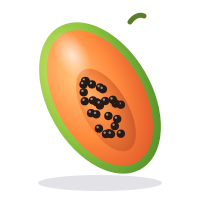 | Papaya | papaya | ||
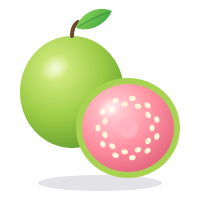 | Guava | bayabas | ||
 | Pineapple | pinya | ||
 | Strawberry | strawberry | ||
 | Cherry | seresa | ||
 | Lemon | lemon | ||
 | Coconut | niyog | ||
 | Pear | peras | ||
 | Pomegranate | granada | ||
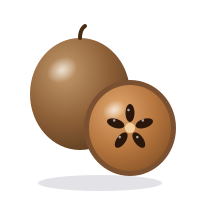 | Sapodilla | chico | ||
 | Peach | peach | ||
 | Muskmelon | melon | ||
 | Kiwi | kiwi | ||
 | Green Apple | berdeng mansanas | ||
 | Blueberry | blueberry | ||
 | Lime | kalamansi | ||
 | Jackfruit | langka | ||
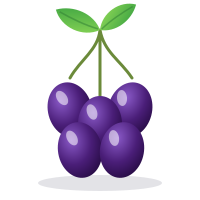 | Java Plum | duhat | ||
 | Lychee | lychee | ||
 | Custard Apple | atis | ||
 | Plum | plum | ||
 | Indian Gooseberry | amla | ||
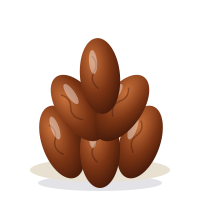 | Dates | dates | ||
 | Fig | igos |
Fruits name in Filipino brings the colour of a Philippine palengke (market) into your home. The Philippines grows some of the sweetest mangoes in the world, and fruit is part of every celebration. This page has 30 fruits (mga prutas) with pictures and clear audio, from mangga (mango), saging (banana) and pakwan (watermelon) to kalamansi, atis (sugar apple) and langka (jackfruit). Tap a picture to hear each name in Filipino and English.
Everyday fruits in Filipino
Start with fruits your child eats: saging, mangga, mansanas (apple), ubas (grapes), pakwan and papaya. Next try pinya (pineapple), bayabas (guava), niyog (coconut) and dalandan, the local orange with green skin. Many names came from Spanish: mansanas (manzana), ubas (uvas), pinya (piña), peras (pera), seresa (cereza). Others are English, like strawberry, blueberry and kiwi.
Fruits Filipino children love
- Mangga: the famous Philippine "carabao mango", yellow and very sweet, eaten ripe or green with bagoong by grown-ups.
- Kalamansi: the small, sour citrus squeezed on pancit and made into juice. In the game it stands for lime.
- Atis: the bumpy green sugar apple with creamy white flesh.
- Chico: brown and soft, tasting a bit like brown sugar.
- Duhat: the dark purple fruit that stains tongues, a childhood summer memory for many Filipino parents.
- Langka: the giant jackfruit, often found in halo-halo and turon.
- Niyog: the coconut palm is called the "tree of life" because every part is used.
Lanzones, rambutan, mangosteen and durian are not in this game, but they are famous in Mindanao and worth naming at the market.
Fruits by colour in Filipino
| Colour | Fruits |
|---|---|
| pula (red) | mansanas, strawberry, seresa, granada |
| dilaw (yellow) | saging, mangga, pinya, lemon |
| berde (green) | kalamansi, bayabas, berdeng mansanas, kiwi |
| kahel (orange) | papaya, peach |
| lila (purple) | ubas, duhat, plum |
| tsokolate (brown) | chico, dates, niyog |
Pair it with our colours in Filipino game.
Fruit in Filipino traditions
On New Year's Eve, many Filipino families place 12 round fruits on the table, one for each month, as a wish for a prosperous year. Counting them together is a lovely activity for a 4- or 5-year-old: isa, dalawa, tatlo... up to labindalawa. At Noche Buena on Christmas Eve, fruit salad and buko (young coconut) desserts are favourites. The folk song "Leron Leron Sinta" tells of climbing a papaya tree, a perfect song for this page.
How to teach fruit names in Filipino
- Snack-time naming. "Ano ito? Saging!" (What is this? Banana!)
- Palengke list. Show three fruit pictures and find them at the market or Asian grocery.
- Taste words. Add matamis (sweet) and maasim (sour): "Maasim ang kalamansi!"
- Find it. Golu asks for a fruit in Filipino; wrong taps get gentle hints, never "wrong".
- Next. Try vegetables in Filipino or the English fruits name page.
Toddlers learn 5-8 fruits best with the real fruit in hand. By 4-5 most children name 15-20 and sort by colour and taste. Short, happy sessions work best.
How to use the fruit game
Begin in Listen with fruits from your kitchen and say each name after the audio. When a few feel familiar, play Find it: Golu names a fruit in Filipino and your child taps it, with a gentle hint and a glow after a wrong tap. Memory suits 5-6 year olds. Each finished round adds a marble to the Goli Jar, and the settings can show fewer choices for a younger child.
Fruit words for Filipino families abroad
Outside the Philippines, saging, mansanas, ubas and strawberry are in every shop, so name them in Filipino each time. When you find Philippine mangoes or kalamansi at a Filipino or Asian store, make it a little celebration and tell a story about Lola's garden.
Mga prutas para sa bata
May 30 prutas sa pahinang ito na may larawan at tunog, gaya ng mangga, saging, pakwan, kalamansi, atis at langka. Pindutin ang larawan para marinig ang pangalan ng prutas sa Filipino at sa Ingles.
Isama ang bata sa palengke at pangalanan ang mga prutas na makikita. Itanong kung ano ang kulay at lasa nito: matamis ba o maasim? Sa Bagong Taon, sabay na bilangin ang labindalawang bilog na prutas sa mesa. Ang pag-aaral habang kumakain ng prutas ay nakatutulong din para masanay ang bata sa masustansyang pagkain.
Para sa mga pamilyang Pilipino sa ibang bansa, sabihin ang pangalan ng prutas sa Filipino tuwing namimili. Kapag may nakitang mangga o kalamansi sa tindahang Pilipino, ikuwento sa bata ang tungkol sa hardin ni Lola.
How to use this page at home
Say it, then find it
Play for a few minutes, then look for the same thing away from the screen: filipino words on the shelf, in the kitchen, on the way to school. A child learns a word properly when they meet it twice, once on the screen and once in their hand.
Ten minutes is enough
Short and happy beats long and tired. Stop while your child still wants more, and come back tomorrow: the same page on five short days teaches far more than one long sitting. Nothing here is scored, so there is no reason to push.
Use both languages
Tap the language button at the top to hear the words in your home language first and the second language after. Hearing the same picture named in two languages is one of the few things research agrees builds attention as well as vocabulary.