Filipino alphabet chart with pictures
28 letters · tap 🔊 to hear each one.
| Picture | Letter | Word | Meaning | Listen |
|---|---|---|---|---|
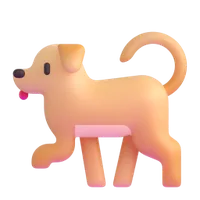 | A | aso | dog | |
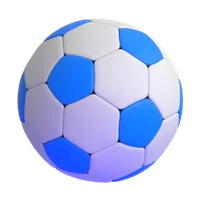 | B | bola | ball | |
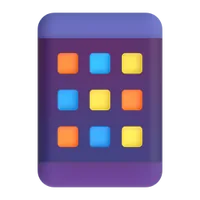 | C | cellphone | mobile phone | |
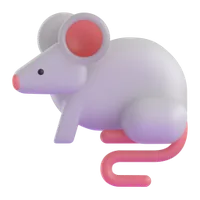 | D | daga | mouse | |
 | E | elepante | elephant | |
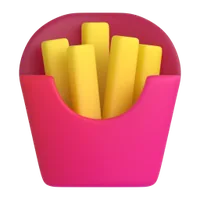 | F | french fries | french fries | |
 | G | gatas | milk | |
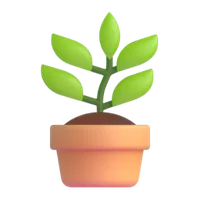 | H | halaman | plant | |
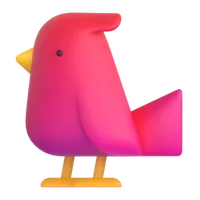 | I | ibon | bird | |
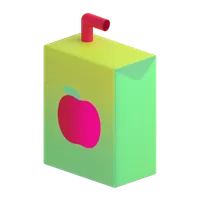 | J | juice | juice | |
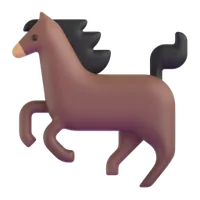 | K | kabayo | horse | |
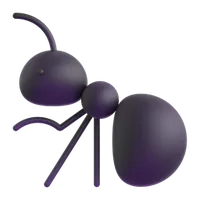 | L | langgam | ant | |
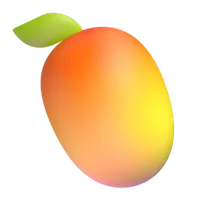 | M | mangga | mango | |
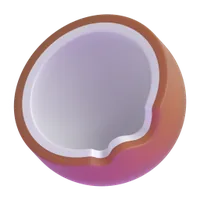 | N | niyog | coconut | |
| Ñ | ñame | yam | ||
 | Ng | ngipin | tooth | |
 | O | oso | bear | |
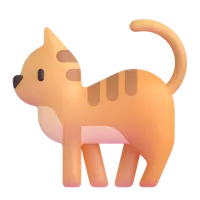 | P | pusa | cat | |
 | Q | queso | cheese | |
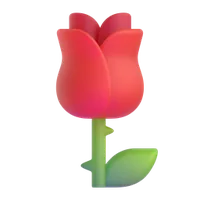 | R | rosas | rose | |
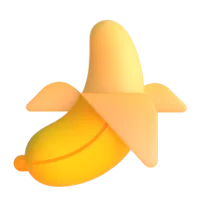 | S | saging | banana | |
 | T | talong | eggplant | |
 | U | ulan | rain | |
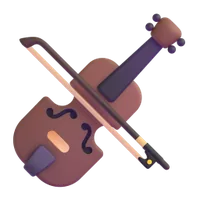 | V | violin | violin | |
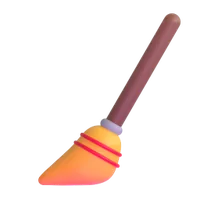 | W | walis | broom | |
 | X | x-ray | x-ray | |
 | Y | yoyo | yo-yo | |
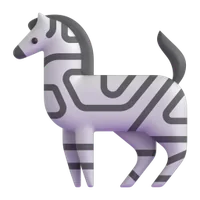 | Z | zebra | zebra |
The Filipino alphabet for kids, the Alpabetong Filipino, has 28 letters: the 26 English letters plus Ñ and Ng. On this page each letter has a picture word, from A aso (dog), B bola (ball) and K kabayo (horse) to Ng ngipin (tooth) and S saging (banana). Tap a letter to hear it in clear audio, then play Find it.
The 28 letters in order
A B C D E F G H I J K L M N Ñ Ng O P Q R S T U V W X Y Z
Notice where the two extra letters sit: Ñ comes right after N, and Ng right after Ñ. Ng counts as one letter, with its own sound, as in "sing". It can even start a word: ngipin (tooth), ngiti (smile). Ñ appears in Spanish-origin words and names, such as Santo Niño and ñame (yam), our picture word.
The vowels (patinig) are a, e, i, o, u, and the rest are consonants (katinig). Letters such as C, F, J, Q, V, X and Z are used mostly in names and borrowed words, which is why our chart has cellphone, french fries, juice, queso (cheese), violin and x-ray. Children in the Philippines hear these words every day.
What is the Abakada?
Many parents and grandparents learned the Abakada, the 20-letter alphabet introduced in 1940 for the national language. Its letters are said as syllables: a, ba, ka, da, e, ga, ha, i, la, ma, na, nga, o, pa, ra, sa, ta, u, wa, ya. In 1987 the modern 28-letter alphabet replaced it, adding letters for names and borrowed words. Today, schools teach the modern alphabet, but the Abakada idea of reading in syllables lives on in how children learn to read.
| Abakada (1940) | Alpabetong Filipino (1987) | |
|---|---|---|
| Letters | 20 | 28 |
| Said as | syllables: a, ba, ka, da | English-style names: ey, bi, si, di, plus enye (Ñ) and endyi (Ng) |
| Includes Ng | yes | yes |
| Includes C, F, J, Q, V, X, Z, Ñ | no | yes |
From letters to reading: syllables
Filipino reading is built on the pantig (syllable). Many kindergartens and Grade 1 classes use the Marungko approach, which introduces letter sounds in a set order, starting with sounds like m, s and a, and quickly builds syllables. Children chant ma-me-mi-mo-mu, sa-se-si-so-su and ba-be-bi-bo-bu, then read ma-ma, a-so, ba-ta (child) and bo-la. Clapping syllables is a great home game: ka-ba-yo has three claps, sa-ging two.
A note on Baybayin
Before the Latin alphabet, many Filipinos wrote in Baybayin, a script where each symbol is a syllable. It is not taught in this game, but older children enjoy seeing it during Buwan ng Wika in August, when schools celebrate the national language with poems, songs and Filipiniana costumes.
How to use the alphabet game
At 3-4, stay in Listen and tap the letters of your child's name. At 5, try Find it: Golu asks for a letter in Filipino and your child taps it; a wrong tap gets a hint and a glow, never "wrong". At 6, Memory adds a pairs challenge. You can reduce choices in the settings for younger children. English learners can compare ABCD for kids.
Alphabet play at home
- Name letters. Start with your child's name, then N-A-N-A-Y and T-A-T-A-Y.
- Sign hunt. Spot big letters (malaking titik) on jeepney signs and small letters (maliit na titik) in books.
- Ng game. Find words with Ng: ngipin, saging, langgam.
- Print this page. The letter chart prints cleanly from your browser for tracing.
If your child says English letter names at school and syllables at Lola's house, that is fine. Both systems name the same letters, and children switch easily.
Alpabetong Filipino para sa bata
May 28 na titik ang Alpabetong Filipino, mula A hanggang Z, kasama ang Ñ at Ng. Sa pahinang ito, may larawan at salita ang bawat titik, gaya ng A aso, B bola, M mangga at Ng ngipin. Pindutin ang titik para marinig ang tunog nito.
Unahin ang mga patinig na a, e, i, o, u. Pagkatapos, turuan ang bata na bumasa ng pantig gaya ng ma-me-mi-mo-mu at pagsamahin ang mga ito para mabuo ang salitang mama, aso at bola. Sapat na ang limang minuto bawat araw, at laging purihin ang pagsisikap ng bata.
How to use this page at home
Say it, then find it
Play for a few minutes, then look for the same thing away from the screen: filipino words on the shelf, in the kitchen, on the way to school. A child learns a word properly when they meet it twice, once on the screen and once in their hand.
Ten minutes is enough
Short and happy beats long and tired. Stop while your child still wants more, and come back tomorrow: the same page on five short days teaches far more than one long sitting. Nothing here is scored, so there is no reason to push.
Use both languages
Tap the language button at the top to hear the words in your home language first and the second language after. Hearing the same picture named in two languages is one of the few things research agrees builds attention as well as vocabulary.