Vegetables in French: word list with pictures
30 words · tap 🔊 to hear each one in French.
| Picture | English | French | Say it | Listen |
|---|---|---|---|---|
 | Potato | la pomme de terre | ||
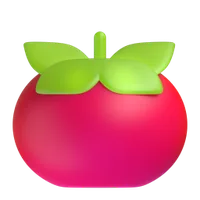 | Tomato | la tomate | ||
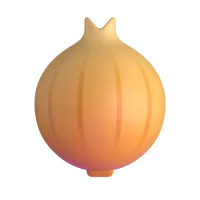 | Onion | l'oignon | ||
 | Carrot | la carotte | ||
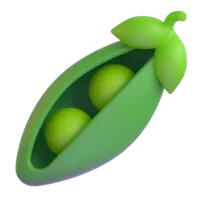 | Peas | les petits pois | ||
 | Cucumber | le concombre | ||
 | Brinjal | l'aubergine | ||
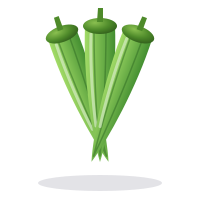 | Okra | le gombo | ||
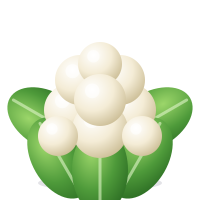 | Cauliflower | le chou-fleur | ||
 | Cabbage | le chou | ||
 | Bottle Gourd | la calebasse | ||
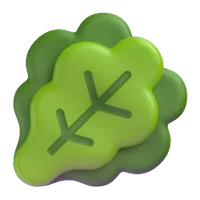 | Spinach | les épinards | ||
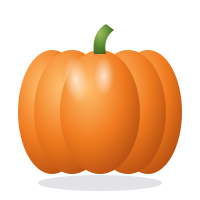 | Pumpkin | la citrouille | ||
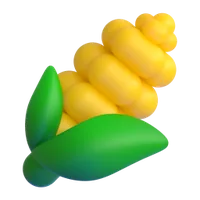 | Corn | le maïs | ||
 | Capsicum | le poivron | ||
 | Chilli | le piment | ||
 | Garlic | l'ail | ||
 | Ginger | le gingembre | ||
 | Broccoli | le brocoli | ||
 | Mushroom | le champignon | ||
 | Sweet Potato | la patate douce | ||
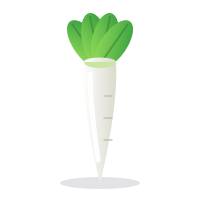 | Radish | le radis | ||
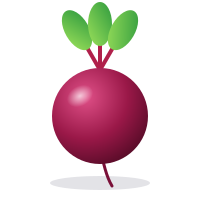 | Beetroot | la betterave | ||
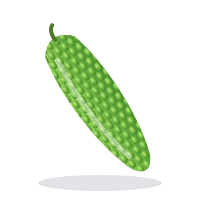 | Bitter Gourd | la margose | ||
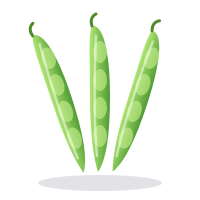 | Green Beans | les haricots verts | ||
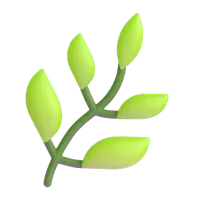 | Coriander | la coriandre | ||
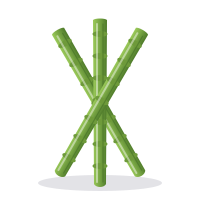 | Drumstick | le moringa | ||
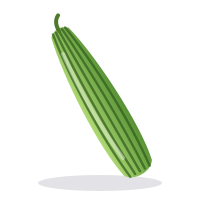 | Ridge Gourd | le luffa | ||
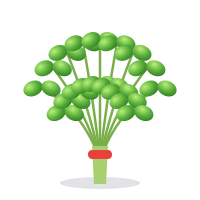 | Fenugreek Leaves | le fenugrec | ||
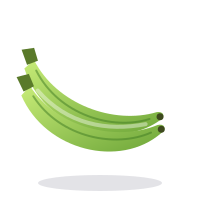 | Raw Banana | la banane plantain |
Vegetables name in French brings the kitchen, the garden and the market into your child's first French words. This page has 30 vegetables with pictures and clear French audio, each spoken with its article: la carotte, la tomate, les petits pois (peas), le brocoli, la citrouille (pumpkin) and la pomme de terre (potato). Tap a picture to hear it in French and English, then play Find it or Memory when a few names feel familiar.
The vegetables in the game
The list includes kitchen basics (la pomme de terre, la tomate, l'oignon, la carotte, l'ail, le concombre), green vegetables (les épinards, le brocoli, le chou, les haricots verts, la coriandre), colourful ones (le poivron, la betterave, l'aubergine, le radis, le maïs) and vegetables popular in South Asian and African cooking, such as le gombo (okra), la margose (bitter gourd) and la banane plantain. The complete picture list is in the word list above.
Why some vegetables use les
You will notice that a few vegetables are said in the plural: les petits pois, les haricots verts, les épinards. That is how French people naturally talk about them, because we rarely eat just one pea. Les is the same for masculine and feminine, and before a vowel it links with a "z" sound: les‿épinards sounds like "lay-zay-pee-nar". This linking is called liaison, and children pick it up just by listening. Singular vegetables use le, la or l' as usual: le chou, la carotte, l'oignon.
Words that change across the French-speaking world
| Vegetable | France (this page) | Also heard |
|---|---|---|
| potato | la pomme de terre | la patate (everyday France and Quebec) |
| corn | le maïs | le blé d'Inde (Quebec) |
| pumpkin | la citrouille | le potiron (a similar squash) |
| chilli | le piment | same across most countries |
Pomme de terre means "apple of the earth", which makes children laugh. It fits perfectly with the fruits in French page, where la pomme is the apple from the tree.
Vegetables in French childhood
French schools take lunch seriously. At the cantine, even young children eat a starter, a main course with vegetables, cheese or yoghurt, and a dessert, and many schools have a weekly vegetarian menu. At home, vegetable soup, la soupe, is a winter classic, and many families grow a small potager (vegetable patch) or a few tomatoes on a balcony. Every French child knows the song « Savez-vous planter les choux ? » ("Do you know how to plant cabbages?"), where you plant cabbages with your hand, your foot, your elbow and your nose. It is a fun way to learn body parts too. And the famous Cinderella pumpkin is une citrouille in the French original by Charles Perrault.
Using the vegetable games
Start in Listen mode with vegetables from your fridge. In Find it, Golu asks « Où est la carotte ? » and your child taps the picture. The number of choices depends on the age set in the grown-up settings. A wrong tap never gets a "wrong": Golu names what was tapped, then the right answer glows, and every game ends with a marble in the Goli Jar. Five to ten minutes together is plenty.
How to teach vegetable names at home
- Cook together. Let your child wash les carottes or shell les petits pois while you name them.
- Sing and plant. Sing « Savez-vous planter les choux ? » and act out each verse.
- Under or above? Sort cards: under the ground (la carotte, le radis, la pomme de terre) and above (la tomate, le poivron, le maïs).
- Soup day. Choose three vegetables for a soup and let your child name them as they go in.
At 2-3, name vegetables on the plate. At 3-4, sort by colour. At 4-5, talk about how they grow. At 5-6, notice le, la and les. If your child is a picky eater, keep the game separate from mealtimes; learning the word is a win on its own. See English vegetables name or vegetables in Mexican Spanish, and print this page from your browser for a picture list.
Les légumes du potager
Les légumes sont parfaits pour apprendre le français, parce qu'on les voit tous les jours. Pendant que vous préparez le repas, demandez à votre enfant de vous donner la carotte, l'oignon ou la tomate. S'il se trompe, redites le bon mot avec un sourire.
Plantez une graine de haricot dans un pot avec un peu de coton mouillé et regardez-la pousser jour après jour. Chantez « Savez-vous planter les choux ? » en plantant avec la main, le pied et le nez !
How to use this page at home
Say it, then find it
Play for a few minutes, then look for the same thing away from the screen: french words on the shelf, in the kitchen, on the way to school. A child learns a word properly when they meet it twice, once on the screen and once in their hand.
Ten minutes is enough
Short and happy beats long and tired. Stop while your child still wants more, and come back tomorrow: the same page on five short days teaches far more than one long sitting. Nothing here is scored, so there is no reason to push.
Use both languages
Tap the language button at the top to hear the words in your home language first and the second language after. Hearing the same picture named in two languages is one of the few things research agrees builds attention as well as vocabulary.