Vegetables in German: word list with pictures
30 words · tap 🔊 to hear each one in German.
| Picture | English | German | Say it | Listen |
|---|---|---|---|---|
 | Potato | die Kartoffel | ||
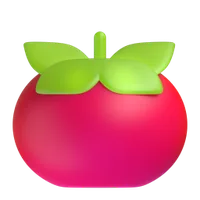 | Tomato | die Tomate | ||
 | Onion | die Zwiebel | ||
 | Carrot | die Karotte | ||
 | Peas | die Erbsen | ||
 | Cucumber | die Gurke | ||
 | Brinjal | die Aubergine | ||
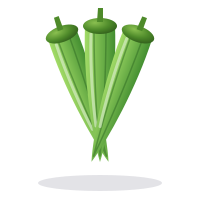 | Okra | die Okra | ||
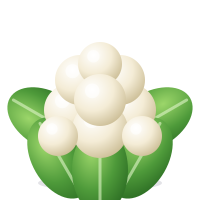 | Cauliflower | der Blumenkohl | ||
 | Cabbage | der Kohl | ||
 | Bottle Gourd | der Flaschenkürbis | ||
 | Spinach | der Spinat | ||
 | Pumpkin | der Kürbis | ||
 | Corn | der Mais | ||
 | Capsicum | die Paprika | ||
 | Chilli | die Chili | ||
 | Garlic | der Knoblauch | ||
 | Ginger | der Ingwer | ||
 | Broccoli | der Brokkoli | ||
 | Mushroom | der Pilz | ||
 | Sweet Potato | die Süßkartoffel | ||
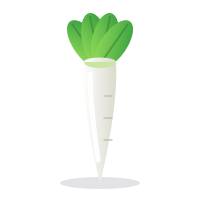 | Radish | das Radieschen | ||
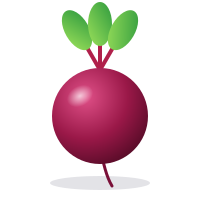 | Beetroot | die Rote Bete | ||
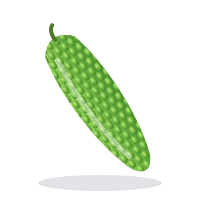 | Bitter Gourd | die Bittergurke | ||
 | Green Beans | die grünen Bohnen | ||
 | Coriander | der Koriander | ||
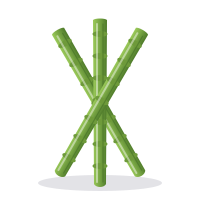 | Drumstick | die Moringaschote | ||
 | Ridge Gourd | die Schwammgurke | ||
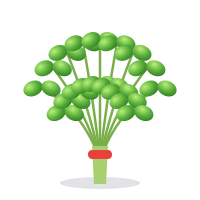 | Fenugreek Leaves | die Bockshornkleeblätter | ||
 | Raw Banana | die Kochbanane |
Vegetables in German are useful words for every meal, every shopping trip and every garden. This page has 30 vegetables with pictures and clear audio, from German kitchen staples like die Kartoffel (potato), die Karotte (carrot) and die Gurke (cucumber) to der Brokkoli, der Kürbis (pumpkin) and Indian vegetables such as die Okra and die Bittergurke. Tap a picture to hear the German and English name, then play Find it or Memory.
Everyday vegetables in German
The potato is the heart of German cooking, and children eat it as Salzkartoffeln, Kartoffelbrei (mash) and Pommes (chips). Start with the vegetables your child sees most: die Kartoffel, die Karotte, die Tomate, die Gurke, die Erbsen (peas), der Mais (corn) and die Paprika (bell pepper). Then add die Zwiebel (onion), der Knoblauch (garlic), der Blumenkohl (cauliflower) and der Spinat (spinach).
German has more than one word for some vegetables, depending on the region. A carrot is Karotte, Möhre or Mohrrübe; our audio uses Karotte, but your child's Kita teacher may say Möhre. In Austria a tomato is often Paradeiser and a potato Erdapfel, "earth apple". Mention these gently if you live there.
Vegetable names that tell a story
German loves joining words together. Blumenkohl means "flower cabbage", Süßkartoffel is "sweet potato", Rote Bete is "red beet" and Radieschen (radish) comes from the word for root. Show your child how Kohl (cabbage) appears inside Blumenkohl. Children who notice these parts start to understand long German words later on.
Vegetables through the German year
| Season | Vegetables | Family moment |
|---|---|---|
| Spring | Spargel, Radieschen | Spargelzeit: white asparagus season, April to June |
| Summer | Tomaten, Gurken, Erbsen | Picking from the allotment, the Schrebergarten |
| Autumn | Kürbis, Mais, Kartoffeln | Pumpkin soup, harvest festival Erntedankfest |
| Winter | Kohl, Rote Bete, Grünkohl | Warm soups and stews |
Our list is shared with the site's Indian pages, so you will also find bottle gourd (der Flaschenkürbis), drumstick (die Moringaschote) and fenugreek leaves (die Bockshornkleeblätter). These long German names are rare in everyday speech, so treat them as a fun challenge, not a must-learn.
How to teach vegetable names in German at home
- Kitchen helper. Hand your child a vegetable and ask its name: "Was ist das?" "Eine Karotte!"
- Soup game. Pretend to cook Gemüsesuppe with toy or real vegetables, naming each one as it goes in the pot.
- Grow something. Cress or radishes grow fast on a windowsill. Watch the Radieschen come up in a few weeks.
- Market trip. At the market, ask your child to find three vegetables by name.
- Colour link. "Die Tomate ist rot, die Gurke ist grün." Practise with colours in German.
For picky eaters, naming comes before tasting. Let your child hold, smell and name a vegetable with no pressure to eat it. Many children try a food after seeing it ten or more times.
What to expect by age
At two to three, children learn four to six vegetable names, usually potato, carrot, tomato and peas. At three to four, they name ten or so and sort them by colour. At four to five, they describe: "Der Kürbis ist groß und orange." At five to six, they can sort vegetables into those that grow under the ground and those above it. In a bilingual home, your child may mix words like "carrot" and Karotte in one sentence; that is normal. Short shared sessions work best, and under-twos learn more from real vegetables in their hands than from a screen. For English and Hindi names, see vegetables name in Hindi and English.
Many German kindergartens cook with the children once a week or keep a small Kita-Garten with herbs, tomatoes and radishes. If your child attends a Kita, ask what they grow or cook there and practise those vegetable names at home. It gives your child something to talk about with the teachers and friends the next morning.
Gemüse für Kinder lernen
Auf dieser Seite lernt Ihr Kind 30 Gemüsesorten mit Bild und Ton, von der Kartoffel und der Karotte bis zum Brokkoli und zum Kürbis. Tippen Sie auf ein Bild, und Ihr Kind hört das Wort auf Deutsch und Englisch.
Kochen Sie gemeinsam: Ihr Kind darf Gemüse waschen, benennen und in den Topf legen. Auf dem Markt oder im Garten findet es die Wörter wieder. Loben Sie jeden Versuch, und zwingen Sie Ihr Kind nicht zum Essen. Das Kennenlernen kommt zuerst.
How to use this page at home
Say it, then find it
Play for a few minutes, then look for the same thing away from the screen: german words on the shelf, in the kitchen, on the way to school. A child learns a word properly when they meet it twice, once on the screen and once in their hand.
Ten minutes is enough
Short and happy beats long and tired. Stop while your child still wants more, and come back tomorrow: the same page on five short days teaches far more than one long sitting. Nothing here is scored, so there is no reason to push.
Use both languages
Tap the language button at the top to hear the words in your home language first and the second language after. Hearing the same picture named in two languages is one of the few things research agrees builds attention as well as vocabulary.