Vegetables in Italian: word list with pictures
30 words · tap 🔊 to hear each one in Italian.
| Picture | English | Italian | Say it | Listen |
|---|---|---|---|---|
 | Potato | patata | ||
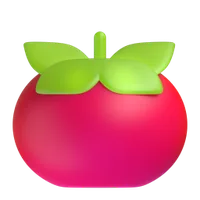 | Tomato | pomodoro | ||
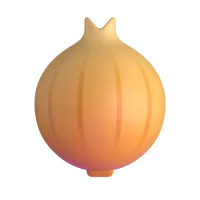 | Onion | cipolla | ||
 | Carrot | carota | ||
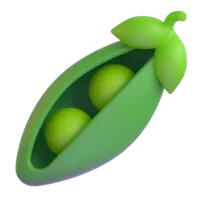 | Peas | piselli | ||
 | Cucumber | cetriolo | ||
 | Brinjal | melanzana | ||
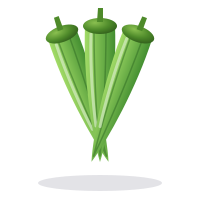 | Okra | okra | ||
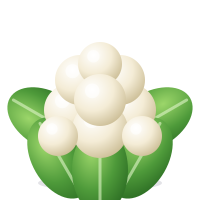 | Cauliflower | cavolfiore | ||
 | Cabbage | cavolo | ||
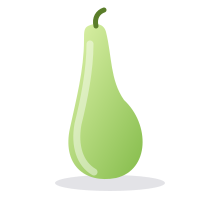 | Bottle Gourd | zucca lunga | ||
 | Spinach | spinaci | ||
 | Pumpkin | zucca | ||
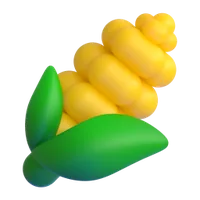 | Corn | pannocchia | ||
 | Capsicum | peperone | ||
 | Chilli | peperoncino | ||
 | Garlic | aglio | ||
 | Ginger | zenzero | ||
 | Broccoli | broccolo | ||
 | Mushroom | fungo | ||
 | Sweet Potato | patata dolce | ||
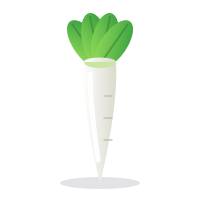 | Radish | ravanello | ||
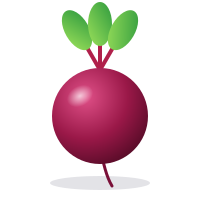 | Beetroot | barbabietola | ||
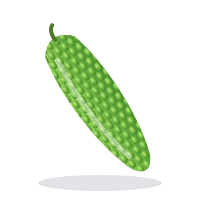 | Bitter Gourd | melone amaro | ||
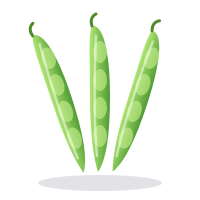 | Green Beans | fagiolini | ||
 | Coriander | coriandolo | ||
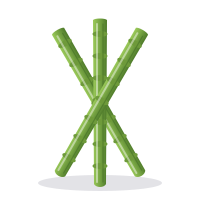 | Drumstick | moringa | ||
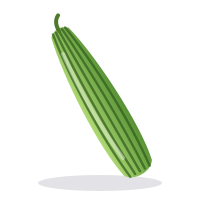 | Ridge Gourd | zucca a coste | ||
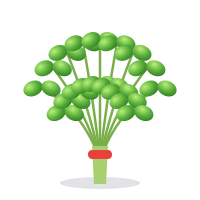 | Fenugreek Leaves | fieno greco | ||
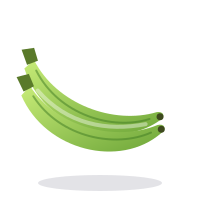 | Raw Banana | banana verde |
Vegetables in Italian are words your child will hear at nearly every meal, because Italian cooking is built on fresh verdura. This page has 30 vegetables with pictures and clear audio, from pomodoro (tomato), carota (carrot) and patata (potato) to zucca (pumpkin), melanzana (aubergine) and peperone (bell pepper). Tap a picture to hear the Italian and English name, then play Find it or Memory.
Everyday vegetables in Italian
Start with the vegetables on your child's plate: pomodoro, carota, patata, piselli (peas), cetriolo (cucumber), spinaci (spinach) and broccolo. Then add cipolla (onion), aglio (garlic), cavolfiore (cauliflower), fagiolini (green beans) and fungo (mushroom). Some Italian names are fun to take apart: pomodoro comes from pomo d'oro, "golden apple", because the first tomatoes in Italy were yellow. Cavolfiore is "cabbage flower", and peperoncino is "little pepper".
Many vegetable words are used in the plural because we eat many at once: i piselli, gli spinaci, i fagiolini. Singular words end in -o or -a and change to -i or -e: una carota, due carote; un pomodoro, tre pomodori.
Vegetables through the Italian year
| Season | Vegetables | A dish to share |
|---|---|---|
| Spring | piselli, carciofi, asparagi | Pasta with peas |
| Summer | pomodori, zucchine, melanzane, peperoni | Tomato and basil salad |
| Autumn | zucca, funghi, cavolfiore | Pumpkin risotto, risotto alla zucca |
| Winter | cavolo, broccoli, patate, carote | A warm minestrone |
Minestrone, a thick vegetable soup, is a classic way Italian families get children to eat many vegetables at once. Cooking it together is also a language lesson: each vegetable is chopped, named and added to the pot.
Our list is shared with the site's Indian pages, so it also has bottle gourd (zucca lunga), bitter gourd (melone amaro), drumstick (moringa) and fenugreek (fieno greco). These are rare in Italian shops, so enjoy them as world words.
Growing an orto with children
Many Italian scuole dell'infanzia keep a small orto (vegetable garden), and many grandparents grow tomatoes, beans and courgettes at home. Growing even one plant makes the words real. Radishes (ravanelli) are ready in about a month, and a tomato plant in a pot gives a whole summer of "Guarda, un pomodoro rosso!"
How to teach vegetable names in Italian at home
- Kitchen helper. Give your child a vegetable to wash and ask "Che cos'è?" (What is it?)
- Market game. Find three vegetables at the mercato by their Italian names.
- Colour sort. "La carota è arancione, il pomodoro è rosso." Try it with colours in Italian.
- Pretend shop. Play fruttivendolo (greengrocer) with toy vegetables.
- Minestrone day. Name each vegetable as it goes into the pot.
For picky eaters, touching and naming come before tasting. Let your child hold, smell and name a vegetable without any pressure to eat it. Many children accept a new food after seeing it many times.
What to expect by age
At two to three, children learn four to six vegetable names, often tomato, potato, carrot and peas. At three to four, they name about ten and sort them by colour. At four to five, they describe them: "La zucca è grande e arancione." At five to six, they can say which vegetables grow under the ground and which above. Keep sessions short and shared, and let under-twos explore real vegetables with a grown-up rather than a screen. For English and Hindi names, see vegetables name in Hindi and English, or compare the vegetables in Spanish.
Italy has many regional food words, which is useful to know if your family comes from a particular area. Courgettes are zucchine in most of Italy, while in parts of the north people say zucchini. Aubergine, melanzana, is the star of parmigiana, a baked dish children often love. Ask grandparents what they call each vegetable; your child will enjoy knowing "our family word".
For picky eaters, Italian cooking has a gentle trick: vegetables are often blended into soups and sauces, like passato di verdure (smooth vegetable soup) or tomato sauce with carrot and onion. Tell your child which vegetables are inside and name them together, so words and flavours grow side by side.
Nomi delle verdure per bambini
In questa pagina vostro figlio impara 30 verdure con immagine e audio: il pomodoro, la carota, la patata, i piselli, la zucca e molte altre. Toccate un'immagine e ascoltate il nome in italiano e in inglese.
Cucinate insieme un minestrone, piantate qualche seme in un vaso o giocate al fruttivendolo. Lodate ogni tentativo e non obbligate il bambino a mangiare: prima si conosce, poi si assaggia.
How to use this page at home
Say it, then find it
Play for a few minutes, then look for the same thing away from the screen: italian words on the shelf, in the kitchen, on the way to school. A child learns a word properly when they meet it twice, once on the screen and once in their hand.
Ten minutes is enough
Short and happy beats long and tired. Stop while your child still wants more, and come back tomorrow: the same page on five short days teaches far more than one long sitting. Nothing here is scored, so there is no reason to push.
Use both languages
Tap the language button at the top to hear the words in your home language first and the second language after. Hearing the same picture named in two languages is one of the few things research agrees builds attention as well as vocabulary.