Learning Italian for kids is a joy, because Italian is a musical, clear language that small children love to copy. Every vowel is sung the same way each time, so what your child hears is what they say. This free hub has eight short games in Italian and English: the Italian alphabet from A come ape to Z come zebra, numbers in Italian from 1 to 100, and picture words for animals, fruits, vegetables, colours and body parts. Every word is spoken in clear audio, so children can play before they read.
What your child learns in Italian here
- Alphabet: 26 cards, the 21 Italian letters plus J, K, W, X and Y, each with a picture word.
- Numbers: a tap-to-hear chart from uno to cento, with a "Count with me" button.
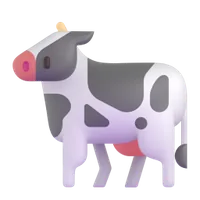
- Animals: 60 animals, from mucca (cow) to cavalluccio marino (seahorse).
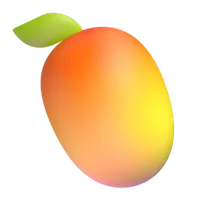
- Fruits and vegetables: 30 each, from mela (apple) to pomodoro (tomato).
- Colours: 12 colours, including both blu and azzurro.
- Body parts: 30 words, from testa (head) to cuore (heart).
How young children in Italy learn
In Italy, babies and toddlers up to three may attend an asilo nido (nursery). From three to six, almost all children go to the scuola dell'infanzia, still often called asilo or materna. It is not compulsory, but it is free in state schools and very widely used. The national guidelines organise learning into five campi di esperienza (fields of experience), such as "the self and others", "the body and movement" and "speech and words". There is no formal reading programme: children play, draw, sing, listen to stories and explore letters and numbers through games.
Italy also gave the world two famous approaches to early childhood. Maria Montessori opened her first Casa dei Bambini in Rome in 1907, and the town of Reggio Emilia developed an approach built around children's own questions, projects and art. Both are used around the world today, and both value hands-on play over worksheets, just like the short games here.
Formal reading and writing begin in scuola primaria at six, in prima elementare. Italian children usually start with capital letters (stampato maiuscolo) and learn to read by syllables: ma, me, mi, mo, mu.
Which Italian game to start with, by age
| Age | Start here | What to expect |
|---|---|---|
| 2-3 | Animals and colours | Copies sounds and words: cane, gatto, rosso |
| 3-4 | Fruits, body parts, numbers 1-10 | Names everyday things, counts to ten |
| 4-5 | Find it and Memory, numbers to 20 | Short phrases: "La mela è rossa" |
| 5-6 | Alphabet, numbers to 100 | Knows letters and syllables, counts in tens |
Italian sounds to listen for
Italian is spelled almost exactly as it sounds, which makes it a kind first foreign language. Three things are worth practising. The five vowels are always clear and never swallowed. Double consonants are held a little longer, and they change meaning: pala (spade) and palla (ball). And C and G are soft before E and I: cena sounds like "chay-na", gelato like "jeh-lah-toh". Listen to the audio and exaggerate the sounds together; children find it funny.
Tips for heritage, bilingual and expat families
Many families around the world keep Italian alive for grandparents. If nonna and nonno speak Italian, let them be the "Italian voice": a short video call where your child shows a new word from these games is a lovely routine. Some families also speak a regional language such as Neapolitan, Sicilian or Venetian at home. That is a gift, not a problem; the games here use standard Italian, the language of school.
If you have moved to Italy, the words your child will hear first at the scuola dell'infanzia are buongiorno, ciao, grazie, lavarsi le mani (wash hands) and devo andare in bagno (I need the toilet). Practise them at home. Mixing Italian and English in one sentence is a normal stage for bilingual children; talk to your paediatrician if you are worried about speech.
Keep screen sessions short and shared, then find the real things together. Under-twos learn more from a grown-up and real objects than from any screen.
Imparare l'italiano per bambini: per i genitori
In questa pagina i bambini trovano otto piccoli giochi in italiano e in inglese: l'alfabeto, i numeri da uno a cento, gli animali, la frutta, la verdura, i colori e le parti del corpo. Ogni parola ha un'immagine e si ascolta con un audio chiaro, così anche chi non sa ancora leggere può giocare.
Giocate pochi minuti al giorno e poi cercate le cose vere: in cucina, al mercato, al parco. Lodate l'impegno, non solo la risposta giusta, e fermatevi quando vostro figlio si diverte ancora. Per le famiglie che vivono all'estero, è un piccolo ponte quotidiano verso la lingua dei nonni.
Explore all languages for kids, or try a close cousin of Italian with Spanish for kids.
How to use this page at home
Say it, then find it
Play for a few minutes, then look for the same thing away from the screen: italian words on the shelf, in the kitchen, on the way to school. A child learns a word properly when they meet it twice, once on the screen and once in their hand.
Ten minutes is enough
Short and happy beats long and tired. Stop while your child still wants more, and come back tomorrow: the same page on five short days teaches far more than one long sitting. Nothing here is scored, so there is no reason to push.
Use both languages
Tap the language button at the top to hear the words in your home language first and the second language after. Hearing the same picture named in two languages is one of the few things research agrees builds attention as well as vocabulary.