Fruits in Italian: word list with pictures
30 words · tap 🔊 to hear each one in Italian.
| Picture | English | Italian | Say it | Listen |
|---|---|---|---|---|
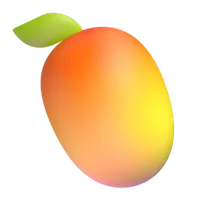 | Mango | mango | ||
 | Banana | banana | ||
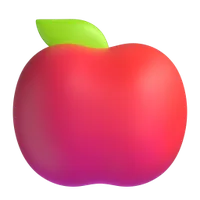 | Apple | mela | ||
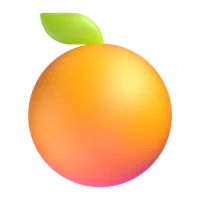 | Orange | arancia | ||
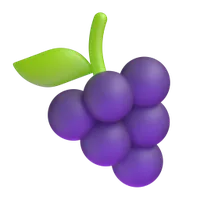 | Grapes | uva | ||
 | Watermelon | anguria | ||
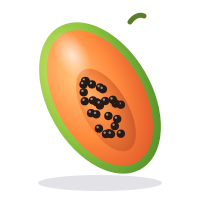 | Papaya | papaia | ||
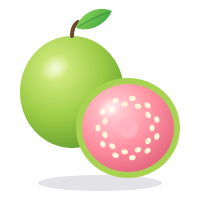 | Guava | guava | ||
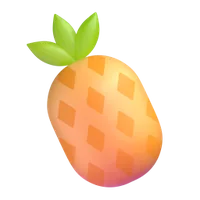 | Pineapple | ananas | ||
 | Strawberry | fragola | ||
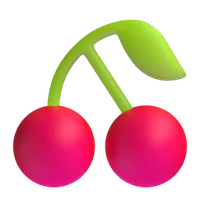 | Cherry | ciliegia | ||
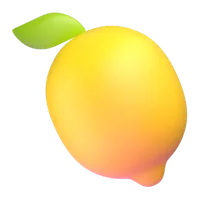 | Lemon | limone | ||
 | Coconut | cocco | ||
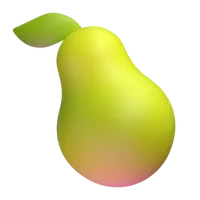 | Pear | pera | ||
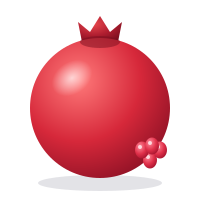 | Pomegranate | melograno | ||
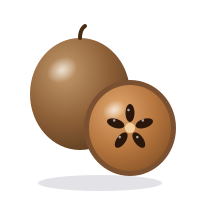 | Sapodilla | sapotiglia | ||
 | Peach | pesca | ||
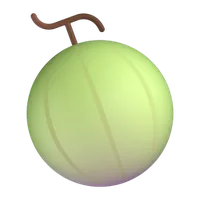 | Muskmelon | melone | ||
 | Kiwi | kiwi | ||
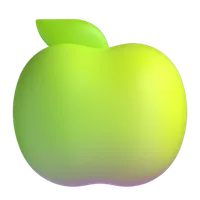 | Green Apple | mela verde | ||
 | Blueberry | mirtillo | ||
 | Lime | lime | ||
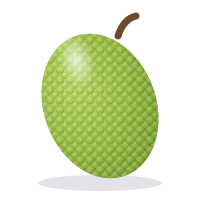 | Jackfruit | jackfruit | ||
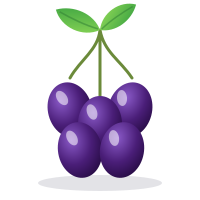 | Java Plum | jamun | ||
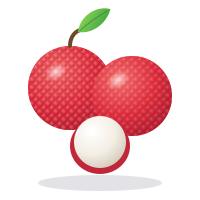 | Lychee | litchi | ||
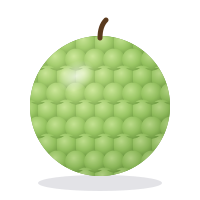 | Custard Apple | annona | ||
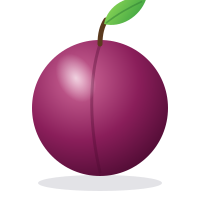 | Plum | prugna | ||
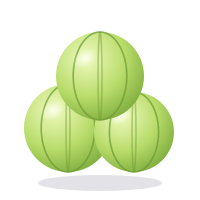 | Indian Gooseberry | amla | ||
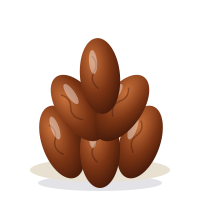 | Dates | datteri | ||
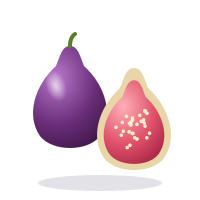 | Fig | fico |
Fruits in Italian are sweet first words, and in Italy fruit is part of every day: at merenda (snack time), after lunch and at the market. This page has 30 fruits with pictures and clear audio, from mela (apple), banana and fragola (strawberry) to anguria (watermelon), melograno (pomegranate) and fico (fig). Tap a picture to hear the Italian and English name, then play Find it or Memory.
The first fruits in Italian to learn
Begin with the fruits your child eats most: mela, banana, pera (pear), arancia (orange), uva (grapes), fragola and pesca (peach). Notice that most fruit names end in -a and are feminine: la mela, la pera, la fragola. A few end in -o and are masculine: il limone (lemon), il fico, il melone. Grapes, uva, is one word for the whole bunch; a single grape is un acino.
Watermelon has two names in Italian. The pack uses anguria, which is common in the north; in Rome and much of central and southern Italy people say cocomero. Both are right. Some fruit names tell a story: melograno is "grainy apple", because of its many seeds, and pesca (peach) sounds exactly like the Italian word for fishing.
Italian fruit through the seasons
Italian families eat frutta di stagione, fruit in season, and markets change through the year. Talking about seasons is a gentle way to repeat names.
| Season | Fruits | Family moment |
|---|---|---|
| Spring | fragole, ciliegie | Strawberries with lemon juice, cherry picking |
| Summer | anguria, pesche, albicocche, melone | Watermelon slices at the beach |
| Early autumn | uva, fichi, prugne | The vendemmia (grape harvest) |
| Autumn | mele, pere, melograni, cachi | Apple picking in Trentino and Alto Adige |
| Winter | arance, mandarini, kiwi | Sicilian blood oranges, arance rosse |
Our fruit list is shared with the site's Indian pages, so it also includes guava, jackfruit, jamun and amla. Italy does grow some exotic fruit in the far south, but most of these are a trip around the world.
Fruit at the Italian table
At the scuola dell'infanzia, children often have a piece of fruit at the mid-morning merenda, and lunch usually ends with fruit rather than dessert. A favourite for children is macedonia, a fruit salad of small pieces with a squeeze of lemon. Making it together is a perfect language lesson: every fruit gets named as it goes into the bowl.
How to teach fruit names in Italian at home
- Fruit bowl game. Put three fruits on the table and ask "Dov'è la banana?"
- Macedonia day. Make fruit salad together and name each fruit.
- Colour match. "La fragola è rossa, la banana è gialla." Practise with colours in Italian.
- Market helper. At the mercato, let your child ask for a fruit: "Un chilo di mele, per favore!"
- Count and share. "Quante ciliegie?" Count them with numbers in Italian.
Use "Mi piace..." (I like...) at snack time: "Mi piace la pesca!" It gives your child a full, useful sentence with any fruit.
What to expect by age
At two to three, children learn five or six fruit names and love tapping the pictures. At three to four, they name ten or more and match them to colours. At four to five, they say what they like and dislike. At five to six, they sort fruits by season or colour and may read short names like uva or mela. Never force tasting; seeing and naming come first. Keep screen sessions short and shared. For English and Hindi names, see fruits name in Hindi and English, or compare the fruits in Spanish.
For heritage families, fruit is a sweet link to Italy. Ask nonna or nonno which fruit grew near their home: figs in Puglia, lemons on the Amalfi coast, apples in the northern mountains, blood oranges in Sicily. Then find those fruits in the word list above and say their names together. Small family stories make words stick far better than lists, and they give your child something to share on the next video call.
If your child is a reluctant eater, try a playful plate: arrange fruit pieces as a face and name each part in Italian. The smile might be una fetta di mela (a slice of apple), and the eyes two acini d'uva (grapes).
Nomi della frutta per bambini
Qui vostro figlio impara 30 frutti con immagine e audio: la mela, la pera, la banana, la fragola, l'arancia, l'uva e molti altri. Toccate un'immagine e ascoltate il nome in italiano e in inglese.
Portate vostro figlio al mercato e fategli scegliere la frutta di stagione. Preparate insieme una macedonia, contate le ciliegie e parlate dei colori. Imparare i nomi della frutta diventa un gioco di tutti i giorni.
How to use this page at home
Say it, then find it
Play for a few minutes, then look for the same thing away from the screen: italian words on the shelf, in the kitchen, on the way to school. A child learns a word properly when they meet it twice, once on the screen and once in their hand.
Ten minutes is enough
Short and happy beats long and tired. Stop while your child still wants more, and come back tomorrow: the same page on five short days teaches far more than one long sitting. Nothing here is scored, so there is no reason to push.
Use both languages
Tap the language button at the top to hear the words in your home language first and the second language after. Hearing the same picture named in two languages is one of the few things research agrees builds attention as well as vocabulary.