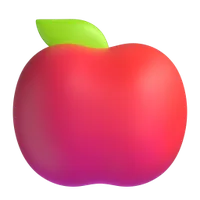
Spanish (Latin America) alphabet chart with pictures
27 letters · tap 🔊 to hear each one.
| Picture | Letter | Word | Meaning | Listen |
|---|---|---|---|---|
 | A | abeja | bee | |
 | B | ballena | whale | |
 | C | casa | house | |
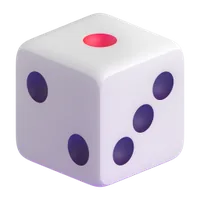 | D | dado | die | |
 | E | elefante | elephant | |
 | F | foca | seal | |
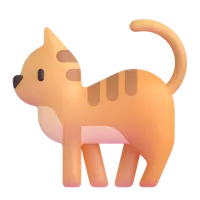 | G | gato | cat | |
 | H | helado | ice cream | |
 | I | isla | island | |
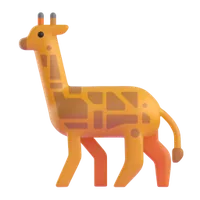 | J | jirafa | giraffe | |
 | K | koala | koala | |
 | L | león | lion | |
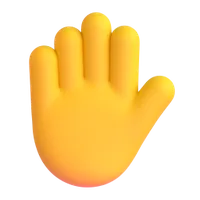 | M | mano | hand | |
 | N | nube | cloud | |
| Ñ | ñandú | rhea | ||
 | O | oso | bear | |
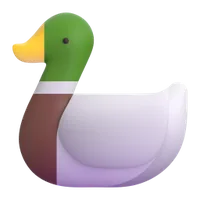 | P | pato | duck | |
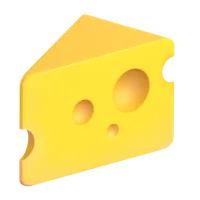 | Q | queso | cheese | |
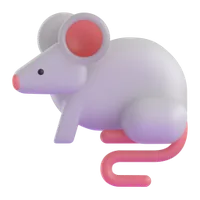 | R | ratón | mouse | |
 | S | sol | sun | |
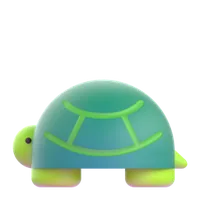 | T | tortuga | turtle | |
 | U | uvas | grapes | |
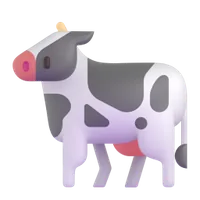 | V | vaca | cow | |
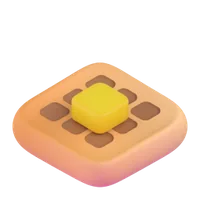 | W | wafle | waffle | |
| X | xilófono | xylophone | ||
 | Y | yoyó | yo-yo | |
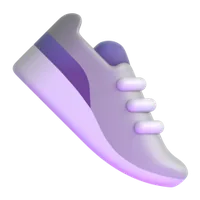 | Z | zapato | shoe |
The Mexican Spanish alphabet for kids, el abecedario, has 27 letters: the 26 your child knows from English plus Ñ. On this page every letter has a picture word chosen for young children, from A de abeja (bee) to Z de zapato (shoe), spoken in clear Latin American audio. Tap a card to hear the letter and its word, then switch to Find it and let Golu ask for letters one at a time.
The letters and picture words on the cards
The cards follow a classic classroom chart: abeja, ballena, casa, dado, elefante, foca, gato, helado, isla, jirafa, koala, león, mano, nube, ñandú, oso, pato, queso, ratón, sol, tortuga, uvas, vaca, wafle, xilófono, yoyó, zapato. Most are everyday words a Mexican preschooler already hears. K and W appear mainly in borrowed words such as koala and wafle, which is true of real Spanish too.
How many letters are in the Spanish alphabet?
Today the Spanish alphabet has 27 letters. Older charts, and some grandparents, list 29 or 30, because CH and LL (and sometimes RR) used to count as letters. The Real Academia Española and the Latin American academies removed them from the alphabet in 2010, but children still practise them as sounds: chocolate, lluvia, perro. If your child's older cousin learned "29 letters", both of you are right for your time.
Letter names children hear in Mexico
Spanish letters have names, just like "bee" and "dee" in English. A few are worth knowing because they differ by country:
| Letter | Common name in Mexico | Also heard |
|---|---|---|
| B | be grande / be larga | be (Spain) |
| V | ve chica / ve corta | uve (Spain) |
| W | doble u | uve doble (Spain) |
| Y | i griega | ye (official modern name) |
| Ñ | eñe | same everywhere |
B and V sound the same in Spanish, which is why Mexican teachers say "big B" and "short V" to tell them apart when spelling.
Start with the vowels: a, e, i, o, u
In Mexican classrooms las vocales come first. Spanish vowels are short, clear and always sound the same, unlike English vowels. Children sing them, trace them and find them in names: A de abeja, E de elefante, I de isla, O de oso, U de uvas. Once your child knows the five vowel sounds, they can already "read" half of every Spanish word.
From letters to syllables (the Mexican way to read)
Many schools in Mexico teach reading with syllables: ma, me, mi, mo, mu, then mamá, mesa, mono. Because Spanish spelling is so regular, children decode quickly once they blend a consonant with each vowel. You do not need to teach this at three. At five or six, playing with syllables using the cards on this page (pa-to, ga-to, so-l) is a natural next step.
- Silent H: helado starts with an "e" sound. Children love hearing that H "doesn't talk".
- Soft Z: in Latin American Spanish, zapato starts with an "s" sound (seseo).
- J is breathy: jirafa starts with a sound like a strong English "h".
- Ñ is "ny": like the middle of "canyon", as in ñandú and niño.
Alphabet plan by age
At 2-3, just enjoy the pictures and sounds; say the word, not the letter. At 3-4, learn the five vowels and the first letter of your child's name. At 4-5, play Find it with six to ten letters and point to letters on signs and packets. At 5-6, match letters to their sounds and build first syllables. Keep sessions to five or ten minutes and stop while your child is still smiling. If your child mixes up the English and Spanish letter names, that is normal: praise the effort and say the right one back.
Make a name hunt: write your child's name in big letters and look for each one on the cards. "¡La S de sol, como Sofía!"
To compare with English letters, try the ABCD page. For the Castilian version with Spain pronunciation, see the Spain Spanish alphabet. When letters feel easy, move on to animal names in Mexican Spanish, where many of the same words appear. You can print this page from your browser if you want a simple alphabet chart for the fridge.
El abecedario en casa
El abecedario tiene veintisiete letras, y la eñe es la más especial porque casi no existe en otros idiomas. Empiecen por las vocales: a, e, i, o, u. Cántenlas en el coche, en la regadera o camino al kínder.
Después busquen letras en la calle: la P de la panadería, la T de las tortillas, la M del mercado. Cuando su hijo diga una letra, celébrelo con un aplauso. Así el abecedario se vuelve un juego y no una tarea.
How to use this page at home
Say it, then find it
Play for a few minutes, then look for the same thing away from the screen: spanish (latin america) words on the shelf, in the kitchen, on the way to school. A child learns a word properly when they meet it twice, once on the screen and once in their hand.
Ten minutes is enough
Short and happy beats long and tired. Stop while your child still wants more, and come back tomorrow: the same page on five short days teaches far more than one long sitting. Nothing here is scored, so there is no reason to push.
Use both languages
Tap the language button at the top to hear the words in your home language first and the second language after. Hearing the same picture named in two languages is one of the few things research agrees builds attention as well as vocabulary.