Vegetables in Spanish: word list with pictures
30 words · tap 🔊 to hear each one in Spanish.
| Picture | English | Spanish | Say it | Listen |
|---|---|---|---|---|
 | Potato | Patata | ||
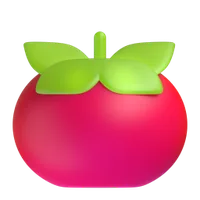 | Tomato | Tomate | ||
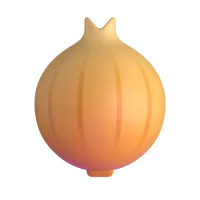 | Onion | Cebolla | ||
 | Carrot | Zanahoria | ||
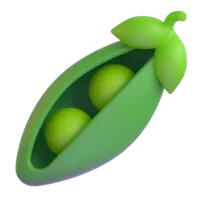 | Peas | Guisantes | ||
 | Cucumber | Pepino | ||
 | Brinjal | Berenjena | ||
 | Okra | Okra | ||
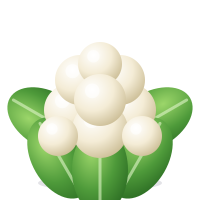 | Cauliflower | Coliflor | ||
 | Cabbage | Col | ||
 | Bottle Gourd | Calabaza larga | ||
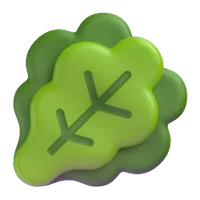 | Spinach | Espinacas | ||
 | Pumpkin | Calabaza | ||
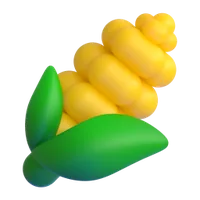 | Corn | Maíz | ||
 | Capsicum | Pimiento | ||
 | Chilli | Guindilla | ||
 | Garlic | Ajo | ||
 | Ginger | Jengibre | ||
 | Broccoli | Brócoli | ||
 | Mushroom | Champiñón | ||
 | Sweet Potato | Boniato | ||
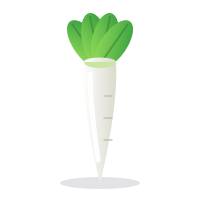 | Radish | Rábano | ||
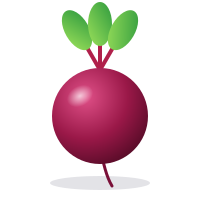 | Beetroot | Remolacha | ||
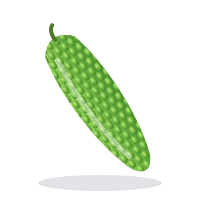 | Bitter Gourd | Melón amargo | ||
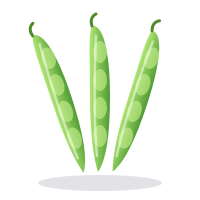 | Green Beans | Judías verdes | ||
 | Coriander | Cilantro | ||
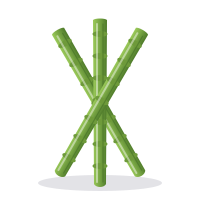 | Drumstick | Moringa | ||
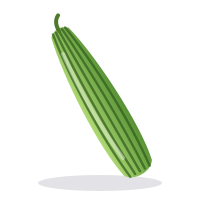 | Ridge Gourd | Esponja vegetal | ||
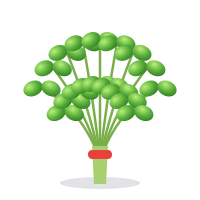 | Fenugreek Leaves | Hojas de fenogreco | ||
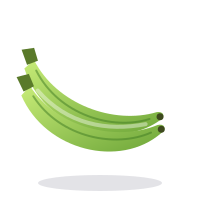 | Raw Banana | Plátano verde |
Vegetables in Spanish are some of the most useful words a child can learn, because they turn up at every meal. This page has 30 vegetables with pictures and clear audio, including la patata (potato), el tomate (tomato), la zanahoria (carrot), la cebolla (onion) and el maíz (corn). Tap any picture to hear it in Spanish and English, then play Find it when your child is ready.
Verduras, hortalizas and legumbres
In everyday Spanish, vegetables are usually called las verduras. Strictly, verduras are green, leafy vegetables and hortalizas covers all garden vegetables, and you may see both words on market signs in Spain. Dried beans and lentils are legumbres. For a small child, verduras is all you need: "¡Vamos a comer verduras!"
Everyday vegetables to learn first
Choose five vegetables you cook often. For many families that means patata (potato), tomate (tomato), cebolla (onion), zanahoria (carrot) and guisantes (peas). Then add pepino (cucumber), espinacas (spinach), calabaza (pumpkin), pimiento (capsicum or bell pepper), brócoli and champiñón (mushroom). Tomate, brócoli and maíz sound close to English, which builds confidence.
The list also includes vegetables that are everyday food in Indian homes: berenjena (brinjal), okra (bhindi), coliflor (cauliflower), calabaza larga (bottle gourd), melón amargo (bitter gourd), cilantro (coriander) and moringa (drumstick). If your family eats these, they are worth learning, even though a Spanish child might not know all of them.
Vegetable words in Spain and Latin America
| English | Spain (this page) | Often in Latin America |
|---|---|---|
| Potato | patata | papa |
| Peas | guisantes | chícharos (Mexico), arvejas |
| Green beans | judías verdes | ejotes (Mexico), habichuelas |
| Corn | maíz | maíz; a corn cob is elote in Mexico |
| Chilli | guindilla | chile |
| Sweet potato | boniato | camote or batata |
The Latin American Spanish pack uses Latin American words and voice. Maize, tomatoes, potatoes, chillies and pumpkins were all first grown in the Americas, so these words carry a lot of history: tomate comes from the Aztec word tomatl.
Vegetables in Spanish for picky eaters
Learning a vegetable's name in a playful way can make a child more willing to try it. Children are more likely to taste food they have touched, washed and talked about. Try these ideas:
- Little chef. Let your child wash zanahorias or tear espinacas while you name them.
- Rainbow plate. Build a plate with a red tomate, orange zanahoria and green pepino, and name the colours in Spanish.
- Market hunt. Give your child a picture list and let them find la calabaza or el pimiento.
- Grow something. Plant peas or coriander in a pot and check on them daily: "¿Ha crecido?" ("Has it grown?").
- Tiny tastes. Never force food. Praise looking, touching or a lick: "¡Muy bien, lo has probado!"
Talk about famous dishes: Spain's cold tomato soup gazpacho, or Mexico's guacamole with tomato, onion and coriander. Food stories make words memorable.
What to expect by age
At 2-3, children learn a few vegetables they eat often and point to them in the game. At 3-4, they name 8-12 and sort vegetables by colour. At 4-5, they can say what they like and dislike: "Me gusta el maíz, no me gusta la cebolla." At 5-6, many children read short names like col, ajo and maíz. Play for five minutes with your child beside you, then carry the words into the kitchen. For Hindi and English, see vegetables name in Hindi and English, and pair this page with fruits in Spanish.
A bilingual kitchen routine
If your family speaks another language at home, such as Hindi, Arabic or English, you do not need to switch everything to Spanish. Pick one daily moment, for example preparing dinner, and make it the Spanish moment. Hand your child a vegetable and ask "¿Qué es esto?" ("What is this?"). If they answer in English, simply repeat in Spanish, "Sí, es una zanahoria", and carry on. Over a few weeks, the same ten vegetables come up again and again, which is exactly the repetition young learners need. Children with speech delays or autism often do well with this kind of predictable routine; keep the words the same each day and let your child point instead of speak if that is easier.
Las verduras en español para niños
Aquí su hijo puede aprender 30 verduras y hortalizas con dibujos y audio: la patata, el tomate, la zanahoria, la cebolla, los guisantes, el pepino y muchas más. Toque un dibujo para oír el nombre en español y en inglés.
Aprender los nombres en la cocina ayuda a que los niños prueben alimentos nuevos. Deje que su hijo lave las verduras, las cuente y diga sus colores. Si su familia es de América Latina, recuerde que algunas palabras cambian: papa en lugar de patata, chícharos en lugar de guisantes. Las dos formas son correctas.
How to use this page at home
Say it, then find it
Play for a few minutes, then look for the same thing away from the screen: spanish words on the shelf, in the kitchen, on the way to school. A child learns a word properly when they meet it twice, once on the screen and once in their hand.
Ten minutes is enough
Short and happy beats long and tired. Stop while your child still wants more, and come back tomorrow: the same page on five short days teaches far more than one long sitting. Nothing here is scored, so there is no reason to push.
Use both languages
Tap the language button at the top to hear the words in your home language first and the second language after. Hearing the same picture named in two languages is one of the few things research agrees builds attention as well as vocabulary.