Fruits in Swahili: word list with pictures
30 words · tap 🔊 to hear each one in Swahili.
| Picture | English | Swahili | Say it | Listen |
|---|---|---|---|---|
 | Mango | embe | ||
 | Banana | ndizi | ||
 | Apple | tufaha | ||
 | Orange | chungwa | ||
 | Grapes | zabibu | ||
 | Watermelon | tikiti maji | ||
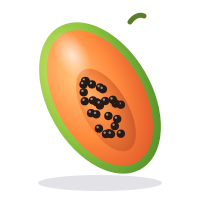 | Papaya | papai | ||
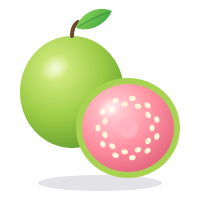 | Guava | pera | ||
 | Pineapple | nanasi | ||
 | Strawberry | stroberi | ||
 | Cherry | cheri | ||
 | Lemon | limau | ||
 | Coconut | nazi | ||
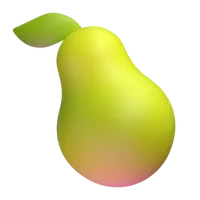 | Pear | pea | ||
 | Pomegranate | komamanga | ||
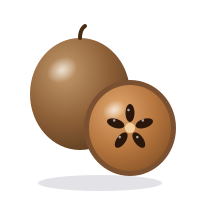 | Sapodilla | chikoo | ||
 | Peach | pichi | ||
 | Muskmelon | tikiti tamu | ||
 | Kiwi | kiwi | ||
 | Green Apple | tufaha la kijani | ||
 | Blueberry | bluberi | ||
 | Lime | ndimu | ||
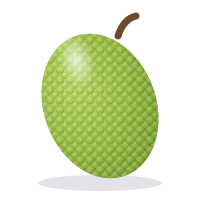 | Jackfruit | fenesi | ||
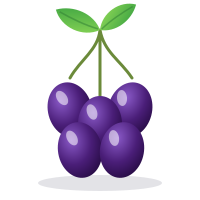 | Java Plum | zambarau | ||
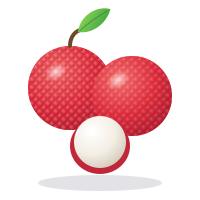 | Lychee | lichi | ||
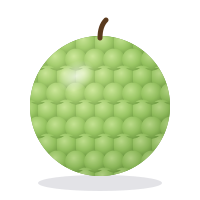 | Custard Apple | stafeli | ||
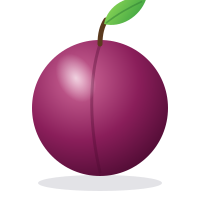 | Plum | plamu | ||
 | Indian Gooseberry | amla | ||
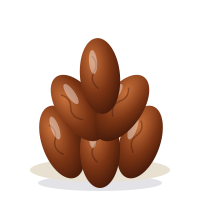 | Dates | tende | ||
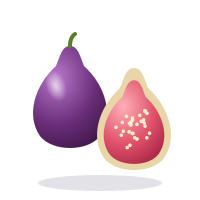 | Fig | tini |
Fruits name in Swahili is a juicy topic, because East Africa is full of tropical fruit: mangoes, bananas, pineapples, papayas and coconuts are part of everyday life from Nairobi to Dar es Salaam. This page has 30 fruits with pictures and clear audio, from embe (mango), ndizi (banana) and chungwa (orange) to nanasi (pineapple), nazi (coconut) and fenesi (jackfruit). Tap a picture to hear the Swahili name, then the English one, and play Find it when your child is ready.
One fruit, many fruits: tunda and matunda
The Swahili word for fruit is tunda, and fruits (plural) is matunda. This is a good first taste of Swahili noun classes, where the start of a word changes for the plural. You will hear the same pattern with some fruit names: embe (a mango) and maembe (mangoes), chungwa and machungwa (oranges), tunda and matunda. Others stay the same: one ndizi, many ndizi. Children learn these just by hearing them at the table.
Everyday fruits in East Africa
Start with the fruits your child sees most. In East African homes that is often ndizi (banana), embe (mango), chungwa (orange), papai (papaya), nanasi (pineapple), tikiti maji (watermelon, "water melon") and parachichi (avocado, not on our cards but very common). Bananas are grown in huge numbers in the region, with many types for eating raw and cooking. Several fruits are on the Swahili alphabet cards: Ch – chungwa, E – embe, L – limau, N – nanasi.
Coconuts, spices and the Swahili coast
On the Indian Ocean coast, coconut palms line the beaches, and nazi is used in many dishes, from rice cooked in coconut milk to fish curries. Children watch coconut sellers open the fruit and drink the water straight from the shell. The coast also shares some fruits with India, and several names on our cards are the same or similar to Indian ones: fenesi (jackfruit), zambarau (java plum or jamun) and chikoo (sapodilla). This makes the page especially friendly for Indian families in East Africa.
Sweet and sour: limau and ndimu
Swahili has separate words for lemon, limau, and lime, ndimu. Both appear on our cards. Add a slice of each to a taste test and ask whether it is tamu (sweet) or chachu (sour). The sweet melon on our cards is tikiti tamu, "sweet melon", so your child learns tamu twice.
| Colour | Fruits on this page |
|---|---|
| nyekundu (red) | tufaha, stroberi, cheri, komamanga |
| njano (yellow) | ndizi, limau, nanasi, embe |
| kijani (green) | kiwi, ndimu, tufaha la kijani, pera |
| rangi ya chungwa (orange) | chungwa, papai, pichi |
| zambarau (purple) | zabibu, plamu, bluberi, zambarau |
Notice that the colour orange is rangi ya chungwa, "the colour of an orange", and purple is zambarau, the same word as the java plum fruit. Swahili often names colours after things you can see. More on this in colours in Swahili.
Fruit games at home and sokoni
- Fruit bowl Find it. Put three fruits on the table and ask "Ndizi iko wapi?" ("Where is the banana?").
- Market helper. At the market (sokoni), give your child one fruit to find and name.
- Count and share. "Maembe mangapi?" ("How many mangoes?"). Count with numbers in Swahili.
- Mystery bag. Hide a fruit in a bag; your child feels it and guesses the name.
- Fruit salad. Make a salad together and name each fruit as it goes in.
Worksheet idea: print this page from your browser and let your child colour the fruits they ate this week. There is no PDF, but the page prints cleanly.
What to expect, and tips for families abroad
At 2-3, five fruit names is a great start. At 3-4, children name 10-15 fruits and their colours. At 5-6, many read short words like embe, nazi, pera, tende, syllable by syllable. Families abroad can make snack time a Swahili moment by offering a choice: "Unataka ndizi au chungwa?" ("Do you want a banana or an orange?"). If your child replies in English, repeat the Swahili word warmly and hand over the fruit. Continue with vegetables in Swahili or the English and Hindi fruits name page.
Matunda kwa watoto
Katika ukurasa huu kuna matunda 30 yenye picha na sauti: embe, ndizi, chungwa, nanasi, papai, nazi, fenesi na mengine mengi. Gusa picha, na mtoto atasikia jina la tunda kwa Kiswahili na kwa Kiingereza.
Nendeni sokoni pamoja, tajeni rangi na ladha ya kila tunda, na hesabuni matunda mezani. Tengenezeni saladi ya matunda pamoja. Hivyo mtoto atajifunza maneno na kupenda chakula bora.
How to use this page at home
Say it, then find it
Play for a few minutes, then look for the same thing away from the screen: swahili words on the shelf, in the kitchen, on the way to school. A child learns a word properly when they meet it twice, once on the screen and once in their hand.
Ten minutes is enough
Short and happy beats long and tired. Stop while your child still wants more, and come back tomorrow: the same page on five short days teaches far more than one long sitting. Nothing here is scored, so there is no reason to push.
Use both languages
Tap the language button at the top to hear the words in your home language first and the second language after. Hearing the same picture named in two languages is one of the few things research agrees builds attention as well as vocabulary.