Vegetables in Swahili: word list with pictures
30 words · tap 🔊 to hear each one in Swahili.
| Picture | English | Swahili | Say it | Listen |
|---|---|---|---|---|
 | Potato | kiazi | ||
 | Tomato | nyanya | ||
 | Onion | kitunguu | ||
 | Carrot | karoti | ||
 | Peas | njegere | ||
 | Cucumber | tango | ||
 | Brinjal | biringanya | ||
 | Okra | bamia | ||
 | Cauliflower | koliflawa | ||
 | Cabbage | kabichi | ||
 | Bottle Gourd | mung'unye | ||
 | Spinach | spinachi | ||
 | Pumpkin | boga | ||
 | Corn | hindi | ||
 | Capsicum | pilipili hoho | ||
 | Chilli | pilipili | ||
 | Garlic | kitunguu saumu | ||
 | Ginger | tangawizi | ||
 | Broccoli | brokoli | ||
 | Mushroom | uyoga | ||
 | Sweet Potato | kiazi kitamu | ||
 | Radish | figili | ||
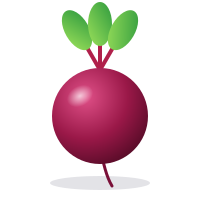 | Beetroot | kiazi sukari | ||
 | Bitter Gourd | karela | ||
 | Green Beans | maharagwe mabichi | ||
 | Coriander | giligilani | ||
 | Drumstick | mlonge | ||
 | Ridge Gourd | dodoki | ||
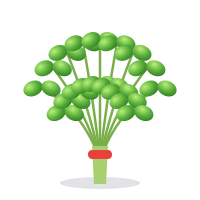 | Fenugreek Leaves | majani ya methi | ||
 | Raw Banana | ndizi mbichi |
Vegetables name in Swahili brings your child into the East African kitchen, where a plate of ugali or rice is almost always served with mboga, cooked vegetables. This page has 30 vegetables with pictures and clear audio, from nyanya (tomato), kitunguu (onion) and karoti (carrot) to boga (pumpkin), kiazi kitamu (sweet potato) and bamia (okra). Tap a picture to hear the name in Swahili and English, then let Golu ask for vegetables in Find it.
What mboga means
Mboga is the everyday word for vegetables, and also for the vegetable or stew dish served alongside the main food. Leafy greens are mboga za majani, "vegetables of leaves". In Kenya, a favourite leafy green is sukuma wiki, collard greens or kale, whose name means "push the week", because it is cheap and helps a family's budget last until the end of the week. Children enjoy that story, and it is a good way to start talking about food at home.
Kitchen basics: nyanya, kitunguu, pilipili
Almost every East African stew begins with kitunguu (onion) and nyanya (tomato), often with kitunguu saumu (garlic, literally "fasting onion"), tangawizi (ginger) and pilipili (chilli). A sweet, mild pepper is pilipili hoho. The fresh salad kachumbari is made from chopped nyanya, kitunguu and sometimes tango (cucumber), and children can help mix it. Name each vegetable as your child puts it in the bowl.
Vegetables from the shamba
Many families grow food on a shamba, a farm or garden plot. Common crops include mahindi (maize or corn; one cob is hindi, as on our card), kiazi (potato), kiazi kitamu (sweet potato, "sweet potato" word for word), maharagwe (beans), kabichi (cabbage) and boga (pumpkin). Roasted corn from a street seller is a much-loved snack. If you have a garden or even a pot, plant beans with your child: they sprout in a few days and grow fast enough to keep a young child interested.
Vegetable names from English and Indian languages
Swahili has borrowed some vegetable names from English, which gives English-speaking children quick wins: karoti (carrot), kabichi (cabbage), brokoli (broccoli), spinachi (spinach) and koliflawa (cauliflower). Other words link to India, reflecting long ties across the Indian Ocean: karela (bitter gourd, the same word as in Hindi) and bamia (okra, a word shared with Arabic and Turkish). Drumstick is mlonge, a tree also widely grown in East Africa for its leaves.
| Colour | Vegetables on this page |
|---|---|
| nyekundu (red) | nyanya, pilipili, figili, kiazi sukari |
| kijani (green) | tango, njegere, spinachi, brokoli, bamia |
| rangi ya chungwa (orange) | karoti, boga |
| zambarau (purple) | biringanya |
| nyeupe (white) | koliflawa, kitunguu saumu, uyoga |
How to teach vegetable names at home
- Market trip. At the soko, let your child point to three vegetables and name them.
- Count and cook. "Nyanya ngapi?" ("How many tomatoes?"). Practise with numbers in Swahili.
- Colour sort. Group vegetables by colour, using colours in Swahili.
- Kachumbari helper. Your child mixes the chopped vegetables and names each one.
- Grow beans. Put a bean on wet cotton and watch it sprout.
Fussy eater? Let your child choose, wash and name the vegetable first. Children taste food they helped with more often. Never force a bite; saying the name is already progress.
What to expect, and tips for families abroad
At 2-3, learn five vegetables you eat often, such as nyanya, karoti, kiazi. At 3-4, add colours and cooking words. At 5-6, children can read short words like boga, tango, uyoga syllable by syllable. Abroad, cook one East African dish together each week and keep kitchen talk in Swahili. For English and Hindi names see vegetables name, and pair this page with fruits in Swahili.
Market talk: sokoni
A trip to the market, sokoni, is the best vocabulary lesson for vegetables. Sellers pile nyanya into neat pyramids and tie mboga za majani into bunches. Teach your child to ask "Bei gani?" ("How much?") and to say "Asante" when you pay. Wherever you live, even a supermarket visit becomes a Swahili game when your child names each vegetable you put in the basket.
Mboga kwa watoto
Katika ukurasa huu kuna mboga 30 zenye picha na sauti: nyanya, kitunguu, karoti, kabichi, kiazi, boga, bamia na nyingine nyingi. Gusa picha, na mtoto atasikia jina la mboga kwa Kiswahili na kwa Kiingereza.
Pikeni pamoja jikoni na tajeni kila mboga. Nendeni sokoni au shambani, hesabuni nyanya na karoti, na mpandeni maharagwe kwenye chungu. Msifu mtoto kwa kila neno jipya.
How to use this page at home
Say it, then find it
Play for a few minutes, then look for the same thing away from the screen: swahili words on the shelf, in the kitchen, on the way to school. A child learns a word properly when they meet it twice, once on the screen and once in their hand.
Ten minutes is enough
Short and happy beats long and tired. Stop while your child still wants more, and come back tomorrow: the same page on five short days teaches far more than one long sitting. Nothing here is scored, so there is no reason to push.
Use both languages
Tap the language button at the top to hear the words in your home language first and the second language after. Hearing the same picture named in two languages is one of the few things research agrees builds attention as well as vocabulary.