Body parts in Punjabi: word list with pictures
30 words · tap 🔊 to hear each one in Punjabi.
| Picture | English | Punjabi | Say it | Listen |
|---|---|---|---|---|
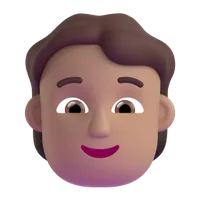 | Head | ਸਿਰ | sir | |
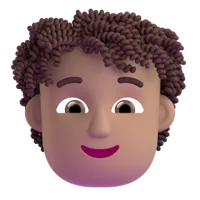 | Hair | ਵਾਲ | vaal | |
 | Face | ਚਿਹਰਾ | chihra | |
 | Eye | ਅੱਖ | akkh | |
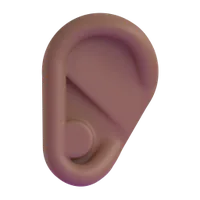 | Ear | ਕੰਨ | kann | |
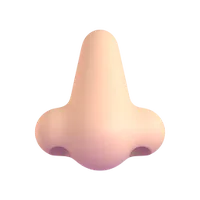 | Nose | ਨੱਕ | nakk | |
 | Mouth | ਮੂੰਹ | moonh | |
 | Lips | ਬੁੱਲ੍ਹ | bullh | |
 | Tongue | ਜੀਭ | jeebh | |
 | Teeth | ਦੰਦ | dand | |
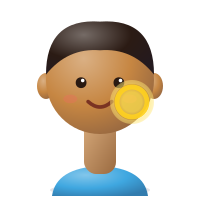 | Cheek | ਗੱਲ੍ਹ | gallh | |
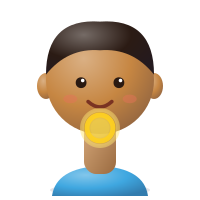 | Chin | ਠੋਡੀ | thodi | |
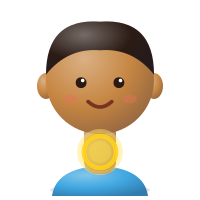 | Neck | ਗਰਦਨ | gardan | |
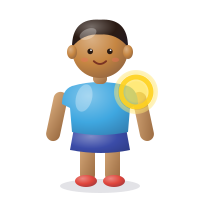 | Shoulder | ਮੋਢਾ | modha | |
 | Arm | ਬਾਂਹ | baanh | |
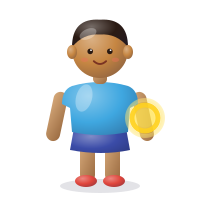 | Elbow | ਕੂਹਣੀ | koohni | |
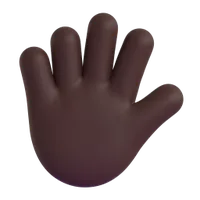 | Hand | ਹੱਥ | hatth | |
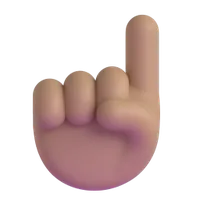 | Finger | ਉਂਗਲ | ungal | |
 | Thumb | ਅੰਗੂਠਾ | angootha | |
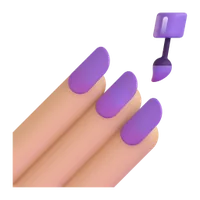 | Nail | ਨਹੁੰ | nahun | |
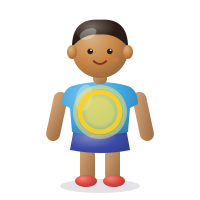 | Tummy | ਢਿੱਡ | dhidd | |
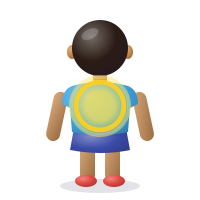 | Back | ਪਿੱਠ | pitth | |
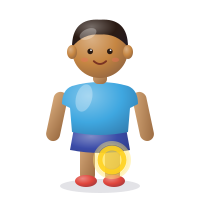 | Knee | ਗੋਡਾ | goda | |
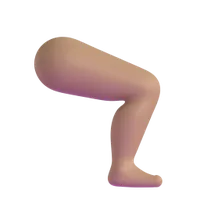 | Leg | ਲੱਤ | latt | |
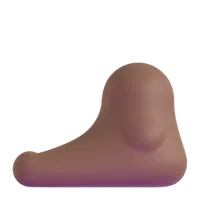 | Foot | ਪੈਰ | pair | |
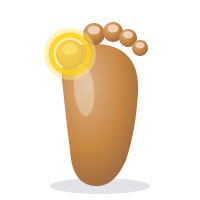 | Toe | ਪੈਰ ਦੀ ਉਂਗਲ | pair di ungal | |
 | Brain | ਦਿਮਾਗ਼ | dimaag | |
 | Heart | ਦਿਲ | dil | |
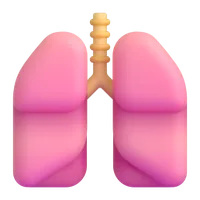 | Lungs | ਫੇਫੜੇ | phephrre | |
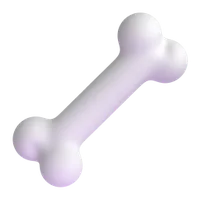 | Bones | ਹੱਡੀਆਂ | haddiaan |
Body parts in Punjabi are the easiest words to practise, because your child carries them everywhere. This page has 30 body parts, each with a picture, the Punjabi name, the English name and clear audio, from ਸਿਰ (sir, head) to ਪੈਰ (pair, foot). Your child taps to hear a word, then plays Find it and Memory, and the best follow-up is always to touch the part on their own body. It is free, with no sign-up and no ads. The word list above has all 30.
Parts of the face in Punjabi
Start with the face. Babies watch faces from birth, so these are often the very first body words. Sit face to face and touch each part as you say it.
| English | Punjabi | Say it |
|---|---|---|
| Eye | ਅੱਖ | akkh |
| Ear | ਕੰਨ | kann |
| Nose | ਨੱਕ | nakk |
| Mouth | ਮੂੰਹ | moonh |
| Teeth | ਦੰਦ | dand |
| Cheek | ਗੱਲ੍ਹ | gallh |
Notice the doubled consonants shown by the little mark ੱ (addak): ਅੱਖ, ਨੱਕ, ਗੱਲ੍ਹ. Punjabi holds these sounds a beat longer, and children love to exaggerate them: "na-kk!" The words ਮੂੰਹ and ਗੱਲ੍ਹ also carry Punjabi's gentle tone, so let the audio lead.
10 body parts name in Punjabi for toddlers
A first set of ten: ਸਿਰ (head), ਵਾਲ (hair), ਅੱਖ (eye), ਕੰਨ (ear), ਨੱਕ (nose), ਮੂੰਹ (mouth), ਹੱਥ (hand), ਢਿੱਡ (tummy), ਲੱਤ (leg) and ਪੈਰ (foot). Add ਉਂਗਲ (finger), ਗੋਡਾ (knee) and ਮੋਢਾ (shoulder) once those are easy. Older children can learn the inside of the body too: ਦਿਲ (heart), ਦਿਮਾਗ਼ (brain), ਫੇਫੜੇ (lungs) and ਹੱਡੀਆਂ (bones).
A Punjabi body parts song and action games
Sing "Head, shoulders, knees and toes" in Punjabi, to the same tune:
ਸਿਰ, ਮੋਢੇ, ਗੋਡੇ, ਪੈਰ, ਗੋਡੇ, ਪੈਰ!
ਅੱਖਾਂ, ਕੰਨ, ਮੂੰਹ ਤੇ ਨੱਕ!
It will not rhyme perfectly, and that is part of the fun. Other quick games:
- Golu says: a Punjabi version of "Simon says": ਹੱਥ ਉੱਤੇ ਕਰੋ (hands up), ਪੈਰ ਹਿਲਾਓ (wiggle your feet).
- Teddy check-up: your child is the doctor and names each part of a soft toy.
- Bath time: "Now wash your ਗੋਡਾ. Now your ਕੂਹਣੀ (elbow)!"
Pair this page with the five senses game: eyes see, ears hear, nose smells. And brushing ਦੰਦ twice a day links neatly to good habits for kids.
What to expect by age
| Age | What many children can do |
|---|---|
| 2-3 | Point to eyes, nose, mouth, hands and feet when you name them. |
| 3-4 | Say 10 or more body words and play Find it with three pictures. |
| 4-5 | Name knee, elbow, shoulder and chin, and follow two-step actions. |
| 5-6 | Talk about what parts do, and learn heart, brain, lungs and bones. |
These are rough guides, not tests. Every child grows at their own pace.
Body words in Punjabi family life
In many Sikh families, a child's uncut hair, called ਕੇਸ, is cared for every morning with a comb and tied into a joora or patka. That daily routine is a natural moment for body words: ਸਿਰ, ਵਾਲ, ਕੰਨ. Washing hands before langar at the gurdwara is another: ਹੱਥ ਧੋਵੋ. For families in Canada, the UK, the US or Australia, these shared routines keep Punjabi part of everyday life, not only a weekend class.
How to play the body parts game
Listen mode lets your child tap any picture and hear the Punjabi name, then the English one, in a clear recorded computer voice. After each tap, ask your child to touch that part: hear ਕੰਨ, touch an ear. Find it mode asks for a body part in Punjabi and shows two to four pictures; a wrong tap names what was touched and then the right picture glows, so there is no pressure. Memory mode is a calm pairs game for the end of a session. Each round puts a marble in the Goli Jar, and Golu the marble cheers your child on. Two or three rounds a day is plenty.
ਸਰੀਰ ਬਾਰੇ ਪੰਜਾਬੀ ਵਿੱਚ
ਸਾਡਾ ਸਰੀਰ ਬਹੁਤ ਕਮਾਲ ਦਾ ਹੈ। ਅਸੀਂ ਅੱਖਾਂ ਨਾਲ ਵੇਖਦੇ ਹਾਂ, ਕੰਨਾਂ ਨਾਲ ਸੁਣਦੇ ਹਾਂ, ਨੱਕ ਨਾਲ ਸੁੰਘਦੇ ਹਾਂ ਅਤੇ ਪੈਰਾਂ ਨਾਲ ਤੁਰਦੇ ਹਾਂ। ਬੱਚੇ ਨੂੰ ਹਰ ਅੰਗ ਦਾ ਕੰਮ ਵੀ ਦੱਸੋ।
ਸ਼ੀਸ਼ੇ ਅੱਗੇ ਖੜ੍ਹੇ ਹੋ ਕੇ ਖੇਡੋ। ਤੁਸੀਂ ਕਹੋ "ਨੱਕ ਕਿੱਥੇ ਹੈ?" ਅਤੇ ਬੱਚਾ ਆਪਣੇ ਨੱਕ ਨੂੰ ਹੱਥ ਲਾਵੇ। ਸਰੀਰ ਦੀ ਸਫ਼ਾਈ ਵੀ ਸਿਖਾਓ: ਹੱਥ ਧੋਣਾ, ਦੰਦਾਂ 'ਤੇ ਬੁਰਸ਼ ਕਰਨਾ ਅਤੇ ਰੋਜ਼ ਨਹਾਉਣਾ।
Body safety and kind tips
Teach body words calmly and plainly, including the private parts, using whatever words your family is comfortable with. Knowing the names helps children tell a trusted grown-up if something feels wrong. Teach that their body belongs to them. For children with autism or sensory needs, some may dislike being touched on the face; let them point to a doll instead. Keep screen sessions short and shared. For any health or development worries, talk to your paediatrician. Next, try colours in Punjabi, the English and Hindi body parts name page, or return to learn Punjabi for kids.
How to use this page at home
Say it, then find it
Play for a few minutes, then look for the same thing away from the screen: punjabi words on the shelf, in the kitchen, on the way to school. A child learns a word properly when they meet it twice, once on the screen and once in their hand.
Ten minutes is enough
Short and happy beats long and tired. Stop while your child still wants more, and come back tomorrow: the same page on five short days teaches far more than one long sitting. Nothing here is scored, so there is no reason to push.
Use both languages
Tap the language button at the top to hear the words in your home language first and the second language after. Hearing the same picture named in two languages is one of the few things research agrees builds attention as well as vocabulary.