Animals in Spanish (Latin America): word list with pictures
60 words · tap 🔊 to hear each one in Spanish (Latin America).
| Picture | English | Spanish (Latin America) | Say it | Listen |
|---|---|---|---|---|
 | Cow | Vaca | ||
 | Bull | Toro | ||
 | Buffalo | Búfalo | ||
 | Goat | Cabra | ||
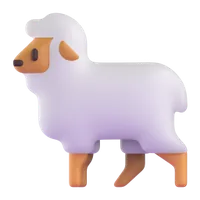 | Sheep | Oveja | ||
 | Horse | Caballo | ||
 | Donkey | Burro | ||
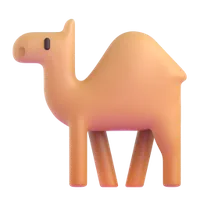 | Camel | Camello | ||
 | Pig | Cerdo | ||
 | Yak | Yak | ||
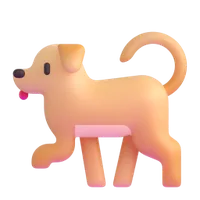 | Dog | Perro | ||
 | Cat | Gato | ||
 | Rabbit | Conejo | ||
 | Hamster | Hámster | ||
 | Mouse | Ratón | ||
 | Elephant | Elefante | ||
 | Lion | León | ||
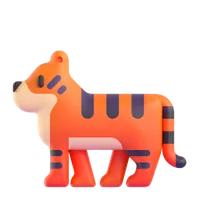 | Tiger | Tigre | ||
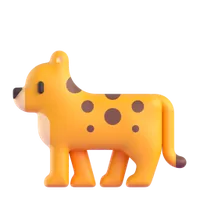 | Leopard | Leopardo | ||
 | Bear | Oso | ||
 | Monkey | Mono | ||
 | Gorilla | Gorila | ||
 | Orangutan | Orangután | ||
 | Deer | Venado | ||
 | Zebra | Cebra | ||
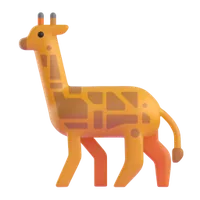 | Giraffe | Jirafa | ||
 | Hippo | Hipopótamo | ||
 | Rhino | Rinoceronte | ||
 | Fox | Zorro | ||
 | Wolf | Lobo | ||
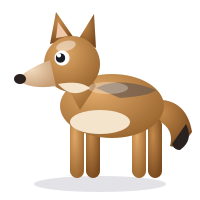 | Jackal | Chacal | ||
 | Squirrel | Ardilla | ||
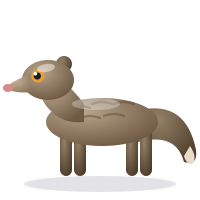 | Mongoose | Mangosta | ||
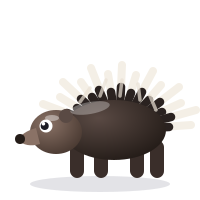 | Porcupine | Puercoespín | ||
 | Hedgehog | Erizo | ||
 | Kangaroo | Canguro | ||
 | Koala | Koala | ||
 | Panda | Panda | ||
 | Polar Bear | Oso polar | ||
 | Sloth | Perezoso | ||
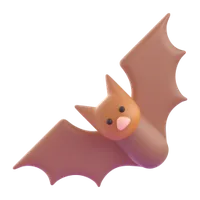 | Bat | Murciélago | ||
 | Wild Boar | Jabalí | ||
 | Indian Bison | Gaur | ||
 | Rat | Rata | ||
 | Fish | Pez | ||
 | Goldfish | Pez dorado | ||
 | Frog | Rana | ||
 | Whale | Ballena | ||
 | Dolphin | Delfín | ||
 | Shark | Tiburón | ||
 | Octopus | Pulpo | ||
 | Crab | Cangrejo | ||
 | Prawn | Camarón | ||
 | Squid | Calamar | ||
 | Seal | Foca | ||
 | Jellyfish | Medusa | ||
 | Pufferfish | Pez globo | ||
 | Otter | Nutria | ||
 | Starfish | Estrella de mar | ||
 | Seahorse | Caballito de mar |
Animals name in Mexican Spanish is a favourite first topic for little learners, because every word comes with a picture, a sound and something to act out. This page has 60 animals with pictures and clear Latin American audio: farm animals like la vaca and el caballo, pets like el perro and el conejo, wild animals from el león to el perezoso, and sea animals such as la ballena and el caballito de mar. Tap a picture to hear it, then play Find it or Memory when the names feel familiar.
The 60 animals in the game
The animals are grouped the way preschool books group them. On the farm: vaca, toro, búfalo, cabra, oveja, caballo, burro, camello, cerdo and yak. At home: perro, gato, conejo, hámster and ratón. In the wild: elefante, león, tigre, leopardo, oso, mono, gorila, venado, cebra, jirafa, zorro, lobo, ardilla, erizo, canguro, koala, panda and more. In the water: pez, pez dorado, rana, ballena, delfín, tiburón, pulpo, cangrejo, camarón, calamar, foca, medusa, pez globo, nutria, estrella de mar. The full list with pictures and audio is in the word list above.
Mexican words you will hear
A few animal names in this pack are the everyday Mexican choice, and they differ from what a Spanish textbook from Spain might use:
| Animal | Mexico (this page) | Spain |
|---|---|---|
| deer | venado | ciervo |
| shrimp | camarón | gamba |
| pig | cerdo (also puerco, cochino) | cerdo |
| turkey | guajolote (not in the game) | pavo |
Children do not need to learn both. Use the words your family uses; if Grandma says cochinito, that is a perfect word too.
Animals of Mexico to talk about
Mexico is one of the most biodiverse countries in the world, and some of its animals make great conversation starters even though they are not in the game. The ajolote (axolotl), a smiling pink salamander from the canals of Xochimilco, is loved by children everywhere. The jaguar, the monarch butterfly (mariposa monarca) that flies to Michoacán each winter, and the colourful guacamaya (macaw) are others. Look them up in a picture book and compare them with the animals in the game: is the jaguar like the leopardo?
Why animals come with el or la
Every Spanish noun is masculine or feminine, and the article tells you which: el perro, la vaca, el tiburón, la jirafa. Some animals switch the ending for a female: el gato / la gata, el oso / la osa, el mono / la mona. Young children do not need grammar rules. Just say the article every time you name an animal and the pattern sinks in on its own.
Animal sounds in Spanish
A Mexican dog says guau guau, a cat miau, a cow muu, a pig oinc oinc, a duck cuac cuac and a rooster kikirikí. Sing "En la granja de mi tío", the Spanish cousin of "Old MacDonald", and let your child add each sound. Then compare with English in the animal sounds game.
How to teach animal names at home
- Five a day. Choose five animals and play Listen for two or three minutes.
- Toy farm. Line up toy animals and ask "¿Dónde está el caballo?" Let your child hand it over.
- Move like them. "¡Salta como una rana!" (jump like a frog), "¡Camina como un elefante!"
- Outside. Name every perro, gato and ardilla on your walk.
- Letters. Spot animals on the Mexican Spanish alphabet cards: J de jirafa, O de oso, K de koala.
At 2-3, children learn pets and farm animals and love the sounds. At 3-4, they sort animals into farm, wild and sea. At 4-5, they describe them: "El elefante es grande y gris." At 5-6, they can read short names like oso, pato and foca. For the Spain Spanish version, see animals in Spanish; for English, see animals name. You can print this page from your browser for a picture list.
Los animales: un juego en familia
Aquí su hijo puede escuchar sesenta animales en español con dibujos claros: animales de la granja, mascotas, animales salvajes y animales del mar. Toque un dibujo, escuche el nombre y repítanlo juntos.
Después jueguen a adivinar: "Es chiquito, tiene orejas largas y come zanahorias. ¿Quién es?" ¡El conejo! Visiten un zoológico, una granja o simplemente el parque, y nombren a cada animal que vean.
How to use this page at home
Say it, then find it
Play for a few minutes, then look for the same thing away from the screen: spanish (latin america) words on the shelf, in the kitchen, on the way to school. A child learns a word properly when they meet it twice, once on the screen and once in their hand.
Ten minutes is enough
Short and happy beats long and tired. Stop while your child still wants more, and come back tomorrow: the same page on five short days teaches far more than one long sitting. Nothing here is scored, so there is no reason to push.
Use both languages
Tap the language button at the top to hear the words in your home language first and the second language after. Hearing the same picture named in two languages is one of the few things research agrees builds attention as well as vocabulary.