Colours in Spanish (Latin America): word list with pictures
12 words · tap 🔊 to hear each one in Spanish (Latin America).
| Picture | English | Spanish (Latin America) | Say it | Listen |
|---|---|---|---|---|
| Red | Rojo | |||
| Yellow | Amarillo | |||
| Blue | Azul | |||
| Green | Verde | |||
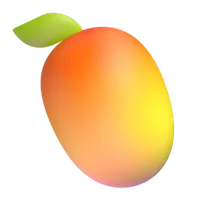
| Orange | Naranja | |||
| Purple | Morado | |||
| Pink | Rosa | |||
| Brown | Café | |||
| Black | Negro | |||
| White | Blanco | |||
| Grey | Gris | |||
| Sky Blue | Azul cielo |
Colors in Mexican Spanish may be the most joyful words to teach, because Mexico itself is so full of colour: pink walls, bright markets, painted pottery and paper flags fluttering over the street. This page has 12 colours with pictures and clear Latin American audio: rojo, amarillo, azul, verde, naranja, morado, rosa, café, negro, blanco, gris and azul cielo. Tap a colour to hear it in Spanish and English, then play Find it.
The 12 colours on this page
| English | Mexican Spanish | Something to point at |
|---|---|---|
| red | rojo | a jitomate |
| yellow | amarillo | the sol |
| blue | azul | the sea |
| green | verde | a limón |
| orange | naranja (also anaranjado) | marigold flowers |
| purple | morado | uvas |
| brown | café | chocolate |
| light blue | azul cielo | a clear sky |
Pink (rosa), black (negro), white (blanco) and grey (gris) complete the set in the word list above.
Why brown is café in Mexico
In Mexico, brown is almost always café, the same word as coffee. In Spain people say marrón, and in other countries you may hear castaño for hair. Your child will be understood with any of them, but café is what a Mexican teacher or grandparent will say. Similarly, orange can be naranja (like the fruit) or anaranjado, and both are common.
Rojo or roja? Colours that change
Many Spanish colour words change to match the thing they describe: el carro rojo but la manzana roja; el gato negro but la gata negra. Colours ending in -o do this (rojo, amarillo, morado, negro, blanco). Others stay the same: verde, azul, gris, café, rosa, naranja. Also notice that in Spanish the colour usually comes after the noun: "the car red", el carro rojo. You do not need to explain this to a preschooler. Just use full phrases and let them hear it.
Colours in Mexican culture
Mexico gives you endless colour lessons. Market stalls stack naranjas, limones and red chiles. Papel picado, cut-paper banners, hang in every colour at parties. Oaxacan alebrijes are wooden fantasy animals painted with bright stripes and dots, perfect for "how many colours can you find?" In early November, families building an ofrenda for Día de Muertos use orange cempasúchil marigolds and purple and pink paper; for young children it can be a gentle chance to look at family photos and remember loved ones, while naming the colours together. The national flag gives you verde, blanco y rojo.
How the colour game works
In Listen mode, each colour card speaks its name in Spanish and then English, or in the order you choose with the language button. Find it asks "¿Dónde está el color verde?" with two to four choices, depending on your child's age setting. Children who find colours tricky can turn on "fewer choices" and high contrast in the grown-up settings. There is never a "wrong" sound: a missed tap gets a gentle hint, and every game ends with a marble in the Goli Jar. After playing, take the game off the screen and into the room: find something amarillo in the kitchen before the next round.
Colour games for 5 minutes a day
- Veo, veo. The Spanish "I spy": "Veo, veo... una cosa de color azul." Your child hunts around the room.
- Sock sort. Sort laundry by colour and name each pile.
- Snack rainbow. Line up fruit in rainbow order: fresa roja, naranja, plátano amarillo, kiwi verde, uvas moradas.
- Colour walk. Count every carro rojo you pass.
At 2-3, children match colours before they name them, so ask "find the same" first. At 3-4, most name four to six basic colours. At 4-5, they know all twelve and can say "Mi color favorito es el morado." At 5-6, they start to use claro and oscuro (light and dark). If your child mixes colours up for a long time, or a family member is colour-blind, mention it to your paediatrician; meanwhile use shapes and objects as extra clues. The game's high-contrast setting can help too.
Find the fruit words in fruits in Mexican Spanish, compare with colours in Spain Spanish or English colours name, and print this page from your browser for a colour chart.
Los colores del arcoíris
Rojo, naranja, amarillo, verde, azul y morado: ¡son los colores del arcoíris! Salgan a buscar colores en la calle, en el mercado y en el parque. ¿De qué color es la puerta? ¿Y el perro del vecino?
Pinten juntos con crayolas o acuarelas y digan el nombre de cada color en voz alta. Si su hijo dice "café" y usted ve "negro", no importa: pregúntele qué ve y conversen. Lo importante es hablar y jugar en español.
How to use this page at home
Say it, then find it
Play for a few minutes, then look for the same thing away from the screen: spanish (latin america) words on the shelf, in the kitchen, on the way to school. A child learns a word properly when they meet it twice, once on the screen and once in their hand.
Ten minutes is enough
Short and happy beats long and tired. Stop while your child still wants more, and come back tomorrow: the same page on five short days teaches far more than one long sitting. Nothing here is scored, so there is no reason to push.
Use both languages
Tap the language button at the top to hear the words in your home language first and the second language after. Hearing the same picture named in two languages is one of the few things research agrees builds attention as well as vocabulary.