Fruits in Spanish (Latin America): word list with pictures
30 words · tap 🔊 to hear each one in Spanish (Latin America).
| Picture | English | Spanish (Latin America) | Say it | Listen |
|---|---|---|---|---|
 | Mango | Mango | ||
 | Banana | Plátano | ||
 | Apple | Manzana | ||
 | Orange | Naranja | ||
 | Grapes | Uvas | ||
 | Watermelon | Sandía | ||
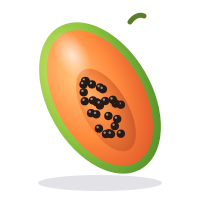 | Papaya | Papaya | ||
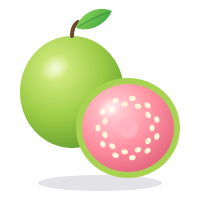 | Guava | Guayaba | ||
 | Pineapple | Piña | ||
 | Strawberry | Fresa | ||
 | Cherry | Cereza | ||
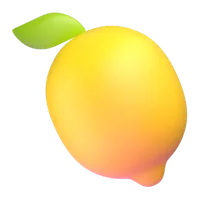 | Lemon | Limón amarillo | ||
 | Coconut | Coco | ||
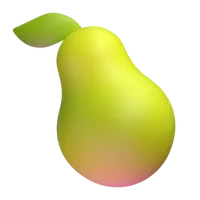 | Pear | Pera | ||
 | Pomegranate | Granada | ||
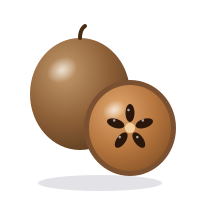 | Sapodilla | Chicozapote | ||
 | Peach | Durazno | ||
 | Muskmelon | Melón | ||
 | Kiwi | Kiwi | ||
 | Green Apple | Manzana verde | ||
 | Blueberry | Mora azul | ||
 | Lime | Limón | ||
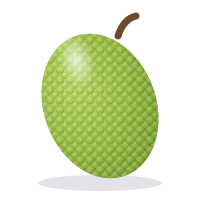 | Jackfruit | Yaca | ||
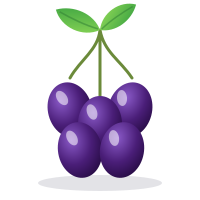 | Java Plum | Jamun | ||
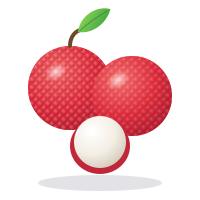 | Lychee | Lichi | ||
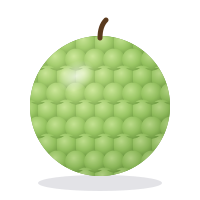 | Custard Apple | Chirimoya | ||
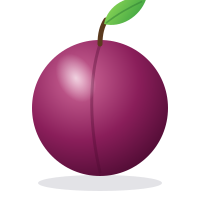 | Plum | Ciruela | ||
 | Indian Gooseberry | Amla | ||
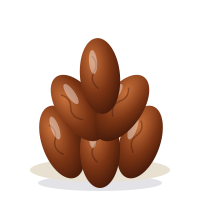 | Dates | Dátiles | ||
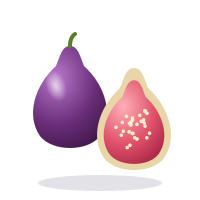 | Fig | Higo |
Fruits name in Mexican Spanish is a delicious way to learn a language, because children can see, smell and taste every word. This page has 30 fruits with pictures and clear Latin American audio, from everyday favourites like el mango, el plátano and la manzana to tropical treats like la guayaba, la chirimoya and el chicozapote. Tap a fruit to hear it in Spanish and English, then play Find it when your child is ready.
The fruits in the game
Your child will meet mango, plátano, manzana, naranja, uvas, sandía, papaya, guayaba, piña, fresa, cereza, coco, pera, granada, durazno, melón, kiwi, ciruela, higo and dátiles, plus some fruits that are well known in South and Southeast Asia, such as yaca (jackfruit), lichi and amla. The complete list with pictures is in the word list above.
Mexican fruit words vs Spain
Fruit is where Mexican and Spain Spanish differ most at the breakfast table:
| Fruit | Mexico (this page) | Spain |
|---|---|---|
| peach | durazno | melocotón |
| blueberry | mora azul | arándano |
| green lime | limón | lima |
| yellow lemon | limón amarillo | limón |
| banana | plátano (also banana in parts of Latin America) | plátano |
The lime and lemon swap surprises many families. In Mexico, the small green limón is squeezed on almost everything, and the yellow one is the less common "limón amarillo". This page follows the Mexican use.
Fruit in Mexican daily life
Walk through any Mexican mercado and you will see towers of mangoes, papayas and pineapples. Street carts sell cups of cut fruit, fruta picada, with a squeeze of lime. Fruit waters, aguas frescas such as agua de sandía or agua de piña, are a daily drink. In December, families simmer ponche with guayaba, apple and sugar cane for the posadas. And the chicozapote (sapodilla) is a native Mexican tree whose sap, chicle, gave the world chewing gum. Share one of these stories when you play; children remember words with a story attached.
Fruits by colour
Sorting fruits by colour teaches two topics at once. Try these groups with the cards, then with real fruit:
- Rojo: fresa, cereza, manzana, sandía (inside), granada
- Amarillo: plátano, piña, limón amarillo, mango
- Verde: limón, kiwi, manzana verde, guayaba (outside)
- Morado: uvas, ciruela, higo
For all the colour words, visit colours in Mexican Spanish.
Playing the fruit games
Start in Listen mode and let your child tap freely; there is no right order. After a few days, switch to Find it: Golu says "¿Dónde está la piña?" and shows two to four pictures, depending on the age set in the grown-up settings. A wrong tap gets a gentle hint, never a "wrong", and each round ends with a marble in the Goli Jar. Memory mode asks your child to find matching pairs, which is great for four- and five-year-olds. If you are learning Spanish yourself, turn on captions so you can read each word as you hear it, and say it aloud together.
How to teach fruit names in 5 minutes a day
- Snack-time naming. Before your child eats, ask "¿Qué fruta es?" and say it together.
- Market hunt. Give your child three fruits to find: "Busca una piña, un mango y una naranja."
- Feel bag. Put a fruit in a cloth bag and let your child guess by touch.
- Pretend shop. Play "la tiendita" with toy fruit and coins, and count in Spanish.
At 2-3, learn five fruits your child actually eats. At 3-4, sort by colour and say "Me gusta la fresa." At 4-5, describe taste: dulce (sweet), ácido (sour). At 5-6, sound out short names like piña and pera. Never force a child to taste a fruit to "earn" a word; the game is about names, and tasting can come when they are ready.
Next, try vegetables in Mexican Spanish, or compare with fruits in Spain Spanish and the English fruits name page. Print this page from your browser for a picture list on the fridge.
Las frutas del mercado
En esta página hay treinta frutas con dibujo y audio en español. Escuchen juntos el nombre de cada fruta y luego búsquenla en la cocina o en el mercado. ¿De qué color es el mango? ¿Es grande o chiquito?
Preparen juntos un vasito de fruta picada: plátano, papaya, sandía y un poquito de limón. Mientras cortan, digan los nombres y cuenten los pedazos. Aprender con las manos y con la boca es la mejor manera de recordar.
How to use this page at home
Say it, then find it
Play for a few minutes, then look for the same thing away from the screen: spanish (latin america) words on the shelf, in the kitchen, on the way to school. A child learns a word properly when they meet it twice, once on the screen and once in their hand.
Ten minutes is enough
Short and happy beats long and tired. Stop while your child still wants more, and come back tomorrow: the same page on five short days teaches far more than one long sitting. Nothing here is scored, so there is no reason to push.
Use both languages
Tap the language button at the top to hear the words in your home language first and the second language after. Hearing the same picture named in two languages is one of the few things research agrees builds attention as well as vocabulary.