Vegetables in Spanish (Latin America): word list with pictures
30 words · tap 🔊 to hear each one in Spanish (Latin America).
| Picture | English | Spanish (Latin America) | Say it | Listen |
|---|---|---|---|---|
 | Potato | Papa | ||
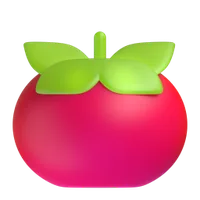 | Tomato | Jitomate | ||
 | Onion | Cebolla | ||
 | Carrot | Zanahoria | ||
 | Peas | Chícharos | ||
 | Cucumber | Pepino | ||
 | Brinjal | Berenjena | ||
 | Okra | Okra | ||
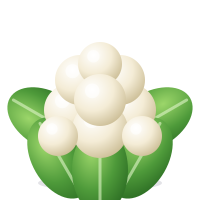 | Cauliflower | Coliflor | ||
 | Cabbage | Col | ||
 | Bottle Gourd | Calabaza larga | ||
 | Spinach | Espinacas | ||
 | Pumpkin | Calabaza | ||
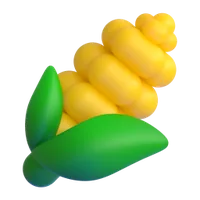 | Corn | Elote | ||
 | Capsicum | Pimiento morrón | ||
 | Chilli | Chile | ||
 | Garlic | Ajo | ||
 | Ginger | Jengibre | ||
 | Broccoli | Brócoli | ||
 | Mushroom | Champiñón | ||
 | Sweet Potato | Camote | ||
 | Radish | Rábano | ||
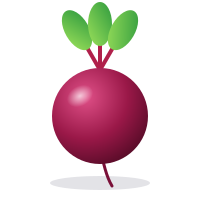 | Beetroot | Betabel | ||
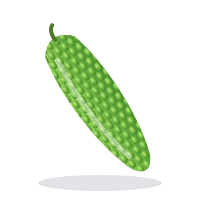 | Bitter Gourd | Melón amargo | ||
 | Green Beans | Ejotes | ||
 | Coriander | Cilantro | ||
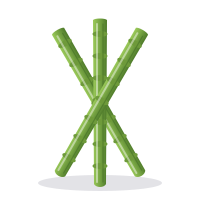 | Drumstick | Moringa | ||
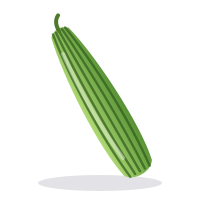 | Ridge Gourd | Esponja vegetal | ||
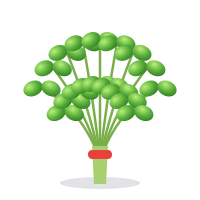 | Fenugreek Leaves | Hojas de fenogreco | ||
 | Raw Banana | Plátano verde |
Vegetables name in Mexican Spanish opens a window onto one of the world's great food cultures. This page has 30 vegetables with pictures and clear Latin American audio, including la papa, el jitomate, el elote, los chícharos and el chile. Tap a picture to hear the word in Spanish and English, then play Find it or Memory when a few names feel familiar.
The vegetables in the game
The list covers kitchen staples (papa, jitomate, cebolla, zanahoria, ajo, pepino), green vegetables (espinacas, brócoli, col, coliflor, ejotes, cilantro), colourful ones (pimiento morrón, betabel, berenjena, rábano, calabaza) and some vegetables popular in South Asian cooking, such as okra, melón amargo (bitter gourd) and hojas de fenogreco. The full picture list is in the word list above.
Mexican vegetable words that differ from Spain
If you learned Spanish from a Spain textbook, several words here will be new. This page uses the Mexican everyday words:
| Vegetable | Mexico (this page) | Spain |
|---|---|---|
| potato | papa | patata |
| tomato | jitomate | tomate |
| corn (cob) | elote | mazorca / maíz |
| peas | chícharos | guisantes |
| green beans | ejotes | judías verdes |
| beetroot | betabel | remolacha |
| sweet potato | camote | boniato |
A fun detail: in central Mexico, tomate often means the small green tomatillo used in salsa verde, which is why the red one is called jitomate.
Vegetable words from Nahuatl
Many Mexican food words come from Nahuatl, the language of the Aztecs, which is still spoken by more than a million people in Mexico today. Jitomate comes from xitomatl, elote from elotl, chile from chīlli, camote from camohtli and ejote from exotl. English borrowed some of them too: tomato, chilli, avocado and chocolate all travelled from Nahuatl through Spanish. Older children love knowing that the word they just learned is hundreds of years old.
The milpa: corn, beans and squash
For thousands of years Mexican farmers have grown the milpa, a field where maíz (corn), frijol (beans) and calabaza (squash) grow together, often called "the three sisters". The corn stands tall, the beans climb it, and the big squash leaves shade the soil. It is a lovely story to tell with the elote and calabaza cards, and a simple science lesson about plants helping each other. Street vendors still sell elotes on a stick in plazas across Mexico.
Using the vegetable games
Thirty vegetables is a lot for a small child, so pick a handful at a time. In Listen mode, tap only the ones you cooked this week. In Find it, Golu asks "¿Dónde está la zanahoria?" and your child taps the picture; wrong taps get a gentle hint and a glow on the right answer, never a scolding. Every finished game drops a marble into the Goli Jar, and counting the marbles in Spanish (uno, dos, tres) is a bonus lesson. If the sounds or motion feel too busy, switch on calm mode in the grown-up settings. Sit next to your child and repeat the words; a shared five minutes teaches far more than twenty alone.
How to teach vegetable names at home
- Cook together. Let your child wash zanahorias or pod chícharos while you name each one.
- Colour sort. Group the cards: green (brócoli, pepino, ejotes), red (jitomate, rábano, pimiento morrón), purple (berenjena, betabel).
- Grow one. Plant a bean in a jar with wet cotton and watch the frijol sprout.
- Shopping list. Draw three vegetables and let your child "read" the list at the store.
At 2-3, name vegetables your child sees on the plate. At 3-4, sort by colour and shape. At 4-5, talk about where they grow: under the ground (papa, zanahoria, camote) or above it. At 5-6, sound out short names like ajo and col. If your child is a picky eater, keep the game separate from mealtime pressure; learning a word is its own win.
Continue with fruits in Mexican Spanish or the colours page. For Spain Spanish words, see vegetables in Spanish; for English, vegetables name. You can print this page from your browser for a simple picture chart.
Las verduras en la cocina
Las verduras son perfectas para aprender español, porque las vemos todos los días. Mientras preparan la comida, pida a su hijo que le pase la cebolla, el jitomate o la papa. Si se equivoca, diga el nombre correcto con una sonrisa.
Cuéntele la historia de la milpa, donde el maíz, el frijol y la calabaza crecen juntos como hermanos. Y la próxima vez que coman un elote, recuerden que esa palabra viene del náhuatl.
How to use this page at home
Say it, then find it
Play for a few minutes, then look for the same thing away from the screen: spanish (latin america) words on the shelf, in the kitchen, on the way to school. A child learns a word properly when they meet it twice, once on the screen and once in their hand.
Ten minutes is enough
Short and happy beats long and tired. Stop while your child still wants more, and come back tomorrow: the same page on five short days teaches far more than one long sitting. Nothing here is scored, so there is no reason to push.
Use both languages
Tap the language button at the top to hear the words in your home language first and the second language after. Hearing the same picture named in two languages is one of the few things research agrees builds attention as well as vocabulary.