Fruits in Portuguese (Portugal): word list with pictures
30 words · tap 🔊 to hear each one in Portuguese (Portugal).
| Picture | English | Portuguese (Portugal) | Say it | Listen |
|---|---|---|---|---|
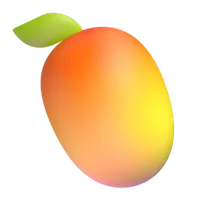 | Mango | Manga | ||
 | Banana | Banana | ||
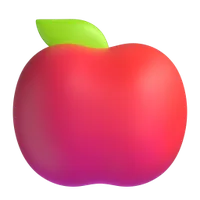 | Apple | Maçã | ||
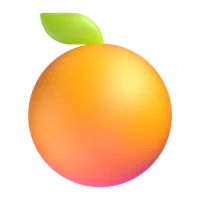 | Orange | Laranja | ||
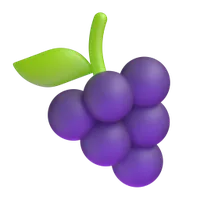 | Grapes | Uvas | ||
 | Watermelon | Melancia | ||
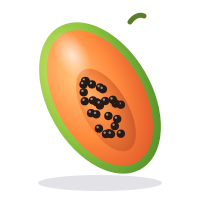 | Papaya | Papaia | ||
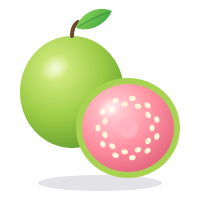 | Guava | Goiaba | ||
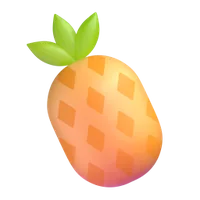 | Pineapple | Ananás | ||
 | Strawberry | Morango | ||
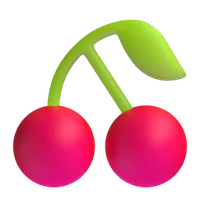 | Cherry | Cereja | ||
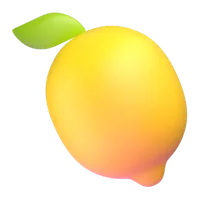 | Lemon | Limão | ||
 | Coconut | Coco | ||
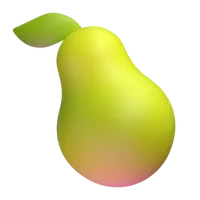 | Pear | Pera | ||
 | Pomegranate | Romã | ||
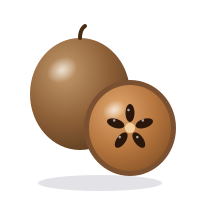 | Sapodilla | Sapoti | ||
 | Peach | Pêssego | ||
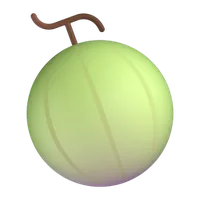 | Muskmelon | Melão | ||
 | Kiwi | Kiwi | ||
 | Green Apple | Maçã verde | ||
 | Blueberry | Mirtilo | ||
 | Lime | Lima | ||
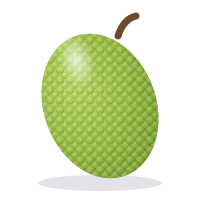 | Jackfruit | Jaca | ||
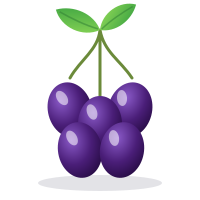 | Java Plum | Jamelão | ||
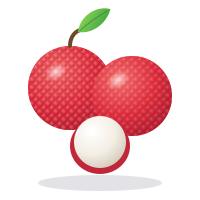 | Lychee | Líchia | ||
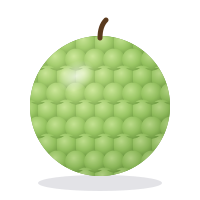 | Custard Apple | Anona | ||
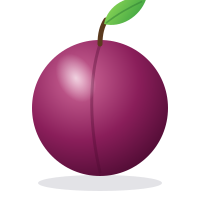 | Plum | Ameixa | ||
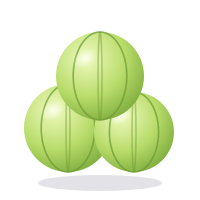 | Indian Gooseberry | Groselha-indiana | ||
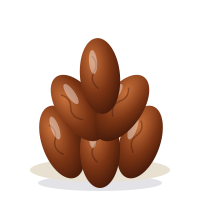 | Dates | Tâmaras | ||
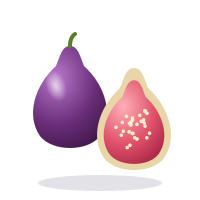 | Fig | Figo |
Fruits in European Portuguese are easy to practise, because you can hold, smell and eat every word you learn. This page has 30 fruits with pictures and clear audio, from everyday maçã (apple), banana and laranja (orange) to romã (pomegranate), figo (fig) and líchia (lychee). Tap a fruit to hear its name in Portuguese and English, then play Find it or Memory once a few names feel familiar.
Fruit in a Portuguese child's day
Fruit has a fixed place in family life in Portugal. Many children eat a piece of fruta after lunch and dinner, and the morning lanche at the jardim de infância often includes one too. That gives you two natural moments every day to say a fruit name: when you pack the lancheira (lunch box) and when your child chooses dessert. Ask "Queres uma pera ou uma maçã?" (Do you want a pear or an apple?) and let them answer with the word.
Portugal also has fruits people are proud of: the Pera Rocha from the Oeste region, oranges from the Algarve, cherries from Fundão, small sweet bananas from Madeira and pineapples grown in greenhouses on São Miguel in the Azores. If you visit, look for these in the mercado and name them together.
Ananás or abacaxi? Portugal and Brazil words
Most fruit names are shared across the Portuguese-speaking world, but a few differ, and your child will hear both in songs and videos:
| English | Portugal (this page) | Brazil |
|---|---|---|
| pineapple | ananás | abacaxi |
| papaya | papaia | mamão |
| blueberry | mirtilo | mirtilo or blueberry |
| juice | sumo | suco |
| custard apple | anona | fruta-do-conde or pinha |
Notice too that pera has no accent in modern spelling, and that maçã has two marks, the cedilla and the til. For the Brazilian words and accent, see fruits in Brazilian Portuguese.
Fruits by colour
Sorting fruit by colour teaches two topics at once. Say the colour first, then the fruit, and link it to our colours in European Portuguese page. Note that the colour orange is also laranja, just like the fruit.
| Colour | Fruits on this page |
|---|---|
| vermelho (red) | morango, cereja, melancia (inside), romã |
| amarelo (yellow) | banana, limão, ananás |
| verde (green) | maçã verde, lima, kiwi (inside) |
| laranja (orange) | laranja, papaia, manga, pêssego |
| roxo or azul | uvas, ameixa, mirtilo, figo |
Fruit through the Portuguese year
Following the seasons gives you something new to name every few weeks. In spring look for morangos and the first cerejas. Summer brings pêssego, melão, melancia, ameixa and figo; June, the month of the Santos Populares, is also cherry time. Autumn has uvas during the grape harvest, romã and apples, and winter is the season of laranja and limão. At Natal, point out the dried and candied fruit on top of the bolo-rei.
A few fruits on this page, such as goiaba, sapoti, jaca, jamelão and groselha-indiana, come from tropical countries and are rare in Portuguese shops. They are here because the site is used by families all over the world. Treat them as "fruits from far away" and look them up on a map together.
How to teach fruit names at home
- Fruit bowl game. Put three real fruits on the table and ask "Onde está a banana?"
- Taste and tell. Blindfold, taste, guess: doce (sweet) or azedo (sour)? A limão always wins a funny face.
- Shop together. At the market let your child hand over each fruit and say its name.
- Play five a day. Use Listen for five fruits, then Find it with those five only.
- Print and cut. There is no PDF, but you can print this page from your browser and cut the pictures into cards.
By age two or three, most children can name a handful of fruits they eat often. At four, they can sort by colour or size and say "Eu gosto de uvas" (I like grapes). At five and six, they can read short names like uva and figo. For Hindi and English fruit names, try fruits name; for the next topic, go on to vegetables in European Portuguese.
As frutas para crianças
Nesta página há trinta frutas com imagem e som, desde a maçã, a banana e a laranja até ao ananás, à romã e ao figo. Toque numa fruta para ouvir o nome em português e em inglês.
Em casa, aproveite a sobremesa e o lanche: mostre a fruta, diga o nome e deixe a criança escolher. No mercado, contem as laranjas e digam as cores. Aprender os nomes das frutas é mais fácil quando se pode provar.
How to use this page at home
Say it, then find it
Play for a few minutes, then look for the same thing away from the screen: portuguese (portugal) words on the shelf, in the kitchen, on the way to school. A child learns a word properly when they meet it twice, once on the screen and once in their hand.
Ten minutes is enough
Short and happy beats long and tired. Stop while your child still wants more, and come back tomorrow: the same page on five short days teaches far more than one long sitting. Nothing here is scored, so there is no reason to push.
Use both languages
Tap the language button at the top to hear the words in your home language first and the second language after. Hearing the same picture named in two languages is one of the few things research agrees builds attention as well as vocabulary.