Body parts in Vietnamese: word list with pictures
30 words · tap 🔊 to hear each one in Vietnamese.
| Picture | English | Vietnamese | Say it | Listen |
|---|---|---|---|---|
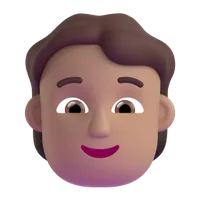 | Head | Cái đầu | ||
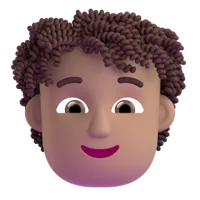 | Hair | Tóc | ||
 | Face | Khuôn mặt | ||
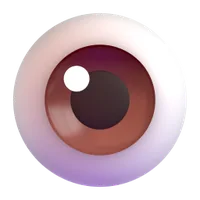 | Eye | Mắt | ||
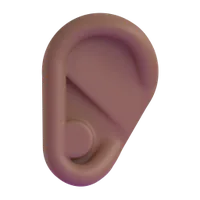 | Ear | Tai | ||
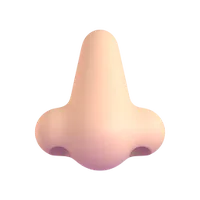 | Nose | Mũi | ||
 | Mouth | Miệng | ||
 | Lips | Môi | ||
 | Tongue | Lưỡi | ||
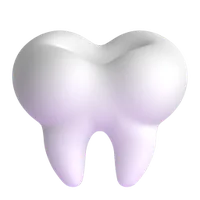 | Teeth | Răng | ||
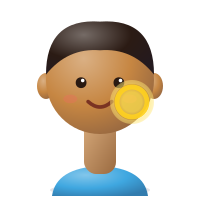 | Cheek | Má | ||
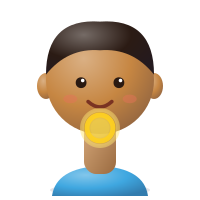 | Chin | Cằm | ||
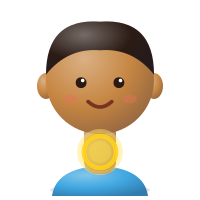 | Neck | Cổ | ||
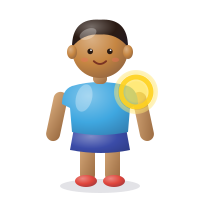 | Shoulder | Vai | ||
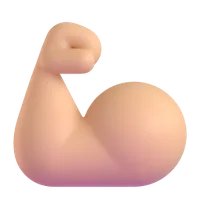 | Arm | Cánh tay | ||
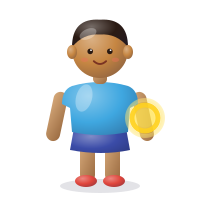 | Elbow | Khuỷu tay | ||
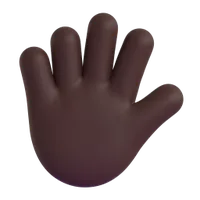 | Hand | Bàn tay | ||
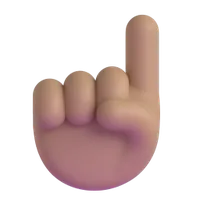 | Finger | Ngón tay | ||
 | Thumb | Ngón tay cái | ||
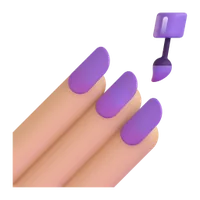 | Nail | Móng tay | ||
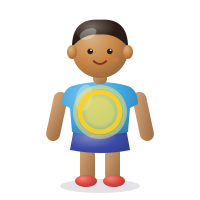 | Tummy | Cái bụng | ||
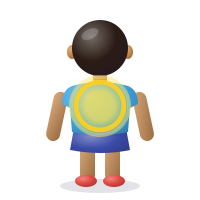 | Back | Lưng | ||
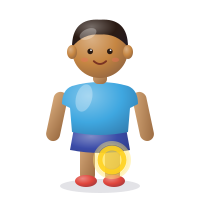 | Knee | Đầu gối | ||
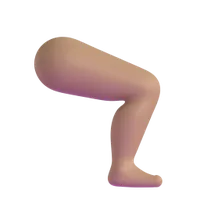 | Leg | Chân | ||
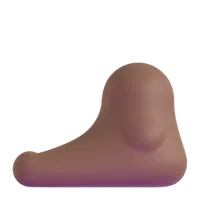 | Foot | Bàn chân | ||
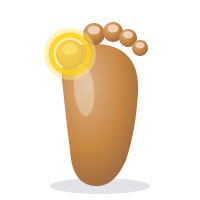 | Toe | Ngón chân | ||
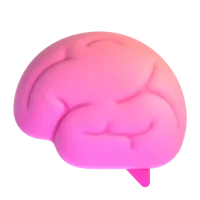 | Brain | Bộ não | ||
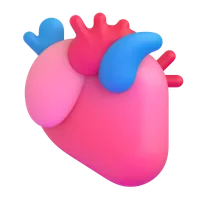 | Heart | Trái tim | ||
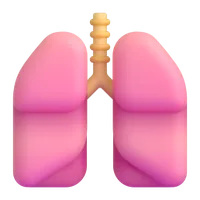 | Lungs | Phổi | ||
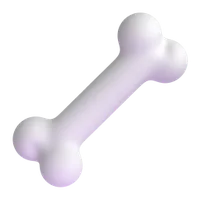 | Bones | Xương |
Body parts in Vietnamese, các bộ phận cơ thể, are some of the very first words a child learns, often before age two. The Vietnamese preschool programme starts with a theme called "Bản thân" ("Myself"), where children name their body and learn to care for it. This page has 30 body parts with pictures and clear audio, from đầu (head), mắt (eyes) and mũi (nose) to trái tim (heart) and xương (bones). Tap a picture to hear each word in Vietnamese and English.
Face words first
Begin with the face: mắt (eye), tai (ear), mũi (nose), miệng (mouth), môi (lips), lưỡi (tongue), răng (teeth), má (cheek), cằm (chin) and tóc (hair). Sit at a mirror and ask "Mũi đâu?" (Where's the nose?). Your child points, then gets to ask you. These words are short and each has a clear tone, so they are great tone practice too.
Tay and chân: arms, hands, legs and feet
Vietnamese builds many body words from two short roots, tay (arm or hand) and chân (leg or foot):
| Vietnamese | Literally | English |
|---|---|---|
| cánh tay | wing of the tay | arm |
| bàn tay | flat of the tay | hand |
| ngón tay | finger of the tay | finger |
| ngón tay cái | mother finger | thumb |
| móng tay | nail of the tay | fingernail |
| bàn chân | flat of the chân | foot |
| ngón chân | finger of the chân | toe |
Once your child knows tay and chân, they can often guess new words. Khuỷu tay (elbow) follows the same pattern.
Songs and the five senses
Vietnamese preschoolers sing about their bodies. "Năm ngón tay ngoan" (Five good little fingers) is a gentle song about a child's hands, and "Head, Shoulders, Knees and Toes" is sung in Vietnamese as "Đầu, vai, gối, chân". Older children learn the five senses, năm giác quan: mắt to see (nhìn), tai to hear (nghe), mũi to smell (ngửi), lưỡi to taste (nếm) and da (skin) to touch (sờ).
What to expect by age
At 2-3, children point to 5-10 body parts on themselves or a doll. At 3-4, they name 15-20 and join songs. At 4-5, they explain what each part does: "Mắt để nhìn" (eyes are for seeing). At 5-6, they are curious about the inside: bộ não (brain), trái tim (heart), phổi (lungs). After running, put a hand on the chest and feel the heart beating fast.
Body words in daily routines
- Before meals. "Rửa tay nào!" (Let's wash hands!).
- Brushing teeth. "Đánh răng" every morning and night.
- Bath time. Name each part as you wash it.
- Getting dressed. Hat on the đầu, socks on the chân.
- English link. The body parts name page shows the same pictures in English.
Use calm, correct words for every part of the body, including private parts. Teach that their body belongs to them and that they can always tell a trusted grown-up if something feels wrong.
How to use the body parts game
In Listen, tap face words first and touch your own face as each one plays. In Find it, Golu asks for a body part in Vietnamese; your child taps the picture and then touches the part on their own body. Wrong taps get a hint, never "wrong". For children with speech delay or autism, pointing counts as a full answer, and the settings can add captions or show fewer choices. If you are worried about speech, talk to your paediatrician.
Body words for Vietnamese families abroad
Body words fit every routine, so they are among the easiest Vietnamese words to keep using outside Vietnam. Say "Đi giày vào chân nào" (put your shoes on your feet) before school, play "Tai của ba đâu?" (Where is Daddy's ear?) on the bus, and sing the body song with ông bà on a video call. If your child answers in English, echo the Vietnamese word with a smile; there is no need to correct.
Bé học các bộ phận cơ thể
Trang này có 30 bộ phận cơ thể với hình ảnh và âm thanh: đầu, tóc, mắt, mũi, miệng, tai, bàn tay, ngón tay, đầu gối, bàn chân, trái tim và nhiều hơn nữa. Bé chạm vào hình để nghe tên bằng tiếng Việt và tiếng Anh.
Ba mẹ hãy cùng bé hát bài "Năm ngón tay ngoan" và chỉ vào từng bộ phận khi tắm, khi rửa tay hay đánh răng. Học tên cơ thể mỗi ngày vừa giúp bé nói giỏi hơn, vừa giúp bé biết giữ gìn vệ sinh và bảo vệ bản thân.
How to use this page at home
Say it, then find it
Play for a few minutes, then look for the same thing away from the screen: vietnamese words on the shelf, in the kitchen, on the way to school. A child learns a word properly when they meet it twice, once on the screen and once in their hand.
Ten minutes is enough
Short and happy beats long and tired. Stop while your child still wants more, and come back tomorrow: the same page on five short days teaches far more than one long sitting. Nothing here is scored, so there is no reason to push.
Use both languages
Tap the language button at the top to hear the words in your home language first and the second language after. Hearing the same picture named in two languages is one of the few things research agrees builds attention as well as vocabulary.