Vegetables in Arabic: word list with pictures
30 words · tap 🔊 to hear each one in Arabic.
| Picture | English | Arabic | Say it | Listen |
|---|---|---|---|---|
 | Potato | بَطَاطِس | baṭāṭis | |
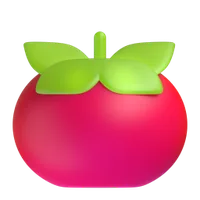 | Tomato | طَمَاطِم | ṭamāṭim | |
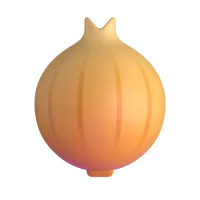 | Onion | بَصَل | baṣal | |
 | Carrot | جَزَر | jazar | |
 | Peas | بَازِلَّاء | bāzillāʾ | |
 | Cucumber | خِيَار | khiyār | |
 | Brinjal | بَاذِنْجَان | bādhinjān | |
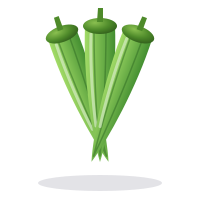 | Okra | بَامْيَة | bāmya | |
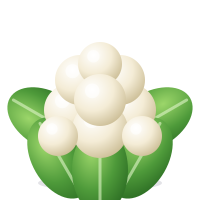 | Cauliflower | قَرْنَبِيط | qarnabīṭ | |
 | Cabbage | مَلْفُوف | malfūf | |
 | Bottle Gourd | قَرْع | qarʿ | |
 | Spinach | سَبَانِخ | sabānikh | |
 | Pumpkin | يَقْطِين | yaqṭīn | |
 | Corn | ذُرَة | dhura | |
 | Capsicum | فُلْفُلٌ حُلْو | fulful ḥulw | |
 | Chilli | فُلْفُلٌ حَارّ | fulful ḥārr | |
 | Garlic | ثُوم | thūm | |
 | Ginger | زَنْجَبِيل | zanjabīl | |
 | Broccoli | بْرُوكُلِي | brūkulī | |
 | Mushroom | فُطْر | fuṭr | |
 | Sweet Potato | بَطَاطَا حُلْوَة | baṭāṭā ḥulwa | |
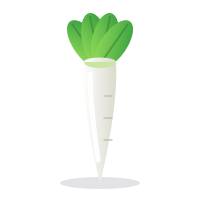 | Radish | فُجْل | fujl | |
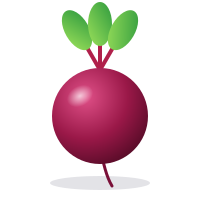 | Beetroot | شَمَنْدَر | shamandar | |
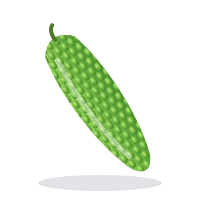 | Bitter Gourd | قَرْعٌ مُرّ | qarʿ murr | |
 | Green Beans | فَاصُولْيَاء خَضْرَاء | fāṣūlyāʾ khaḍrāʾ | |
 | Coriander | كُزْبَرَة | kuzbara | |
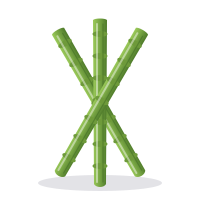 | Drumstick | قُرُونُ المُورِينْجَا | qurūn al-mūrīnjā | |
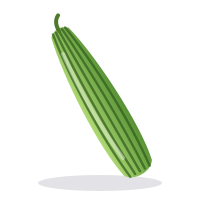 | Ridge Gourd | لُوف | lūf | |
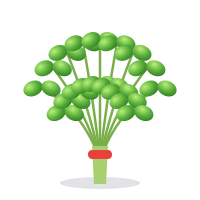 | Fenugreek Leaves | أَوْرَاقُ الحِلْبَة | awrāq al-ḥilba | |
 | Raw Banana | مَوْزٌ أَخْضَر | mawz akhḍar |
Vegetables name in Arabic are words your child will use at every meal, which makes them easy to practise. This page has 30 vegetables with pictures and clear Modern Standard Arabic audio, including بَطَاطِس (baṭāṭis, potato), طَمَاطِم (ṭamāṭim, tomato), جَزَر (jazar, carrot), خِيَار (khiyār, cucumber) and بَصَل (baṣal, onion). Tap any picture to hear it in Arabic and English, then play Find it or Memory.
Khuḍār or khuḍrawāt?
Vegetables are called الخضروات (al-khuḍrawāt) in formal Arabic and الخضار (al-khuḍār) in everyday speech. Both come from the root meaning "green", أخضر. That link is a nice thing to share with a four- or five-year-old: "Vegetables are the green things!", even though carrots and tomatoes are not green at all.
Everyday vegetables to learn first
Start with five vegetables you cook often: بَطَاطِس (potato), طَمَاطِم (tomato), خِيَار (cucumber), جَزَر (carrot) and بَصَل (onion). Then add بَاذِنْجَان (bādhinjān, aubergine or brinjal), بَامْيَة (bāmya, okra), قَرْنَبِيط (qarnabīṭ, cauliflower), مَلْفُوف (malfūf, cabbage), سَبَانِخ (sabānikh, spinach) and ذُرَة (dhura, corn). The capsicum is فُلْفُلٌ حُلْو, "sweet pepper", and the chilli is فُلْفُلٌ حَارّ, "hot pepper". Children enjoy that pair.
The list also includes vegetables common in South Asian kitchens, such as قَرْع (bottle gourd), قَرْعٌ مُرّ (bitter gourd), أَوْرَاقُ الحِلْبَة (fenugreek leaves) and قُرُونُ المُورِينْجَا (drumstick). These are useful for the many Indian and Pakistani families in the Gulf whose children learn Arabic at school.
Vegetables in Arab dishes
Many favourite dishes make vegetables memorable. Fattoush and tabbouleh are salads full of طَمَاطِم, خِيَار and herbs. Bāmya is an okra stew loved from Egypt to Iraq. Mulūkhiyya is a green leaf soup, especially in Egypt. Maḥshī means stuffed vegetables: courgettes, peppers, aubergines or vine leaves filled with rice. Cooking one of these together, even just washing the vegetables, gives your child a story to go with each word.
| Dish | Vegetables to name |
|---|---|
| Salad (سَلَطَة) | طَمَاطِم، خِيَار، بَصَل |
| Okra stew | بَامْيَة، طَمَاطِم، ثُوم |
| Stuffed vegetables | بَاذِنْجَان، فُلْفُلٌ حُلْو، طَمَاطِم |
| Vegetable soup | جَزَر، بَطَاطِس، يَقْطِين |
How to teach vegetable names in Arabic at home
- Little helper. Let your child wash جَزَر or خِيَار while you name each one.
- Colour plate. Arrange red طَمَاطِم, orange جَزَر and green خِيَار and name the colours too. Our colours in Arabic page helps.
- Market list. Give your child three pictures and let them find the vegetables at the shop.
- Grow a plant. Coriander (كُزْبَرَة) grows quickly in a pot, even on a balcony.
- Gentle tasting. Never force food; praise looking and touching. Naming a vegetable in a game can make a picky eater more willing to try it.
Play "shopkeeper": your child sells toy vegetables and you ask أريد جزرة من فضلك (I want a carrot, please).
What to expect by age
At 2-3, children learn a few vegetables they eat often and can point to them in the game. At 3-4, they name 8-12 and sort by colour. At 4-5, they say what they like: أحب الجزر (I like carrots). At 5-6, they read short vowelled words such as فُجْل (radish) and ثُوم (garlic). Play for five minutes with your child beside you, then carry the words into the kitchen. For Urdu, compare vegetables name in Urdu; for Hindi and English, see vegetables name in Hindi and English; and pair this page with fruits name in Arabic.
Tips for bilingual and diaspora homes
In many Gulf homes, children hear Arabic at school, English with friends and Hindi, Urdu, Malayalam or Tagalog at home. The kitchen is a good place to bring these together. Name a vegetable in your home language, then in Arabic, then in English: three words for one carrot is not too many for a young child. For Arabic-speaking families living abroad, the vegetable shop is a chance to use Arabic outside the house. Keep it light and playful. If your child answers in another language, repeat the Arabic word warmly and move on, without pressure. Short, happy repetition over weeks works far better than long lessons.
أسماء الخضروات للأطفال
في هذه الصفحة ثلاثون نوعًا من الخضروات مع صورة وصوت واضح: البطاطس والطماطم والجزر والخيار والبصل والباذنجان والبامية والقرنبيط وغيرها.
اجعلوا المطبخ مكانًا للتعلّم. دعوا الطفل يغسل الخضار ويسمّيها ويعدّها ويذكر ألوانها، وحدّثوه عن الأطباق التي تحبها العائلة مثل السلطة والبامية والمحشي. لا تجبروا الطفل على الأكل، بل شجّعوه على اللمس والتذوّق خطوة بخطوة.
How to use this page at home
Say it, then find it
Play for a few minutes, then look for the same thing away from the screen: arabic words on the shelf, in the kitchen, on the way to school. A child learns a word properly when they meet it twice, once on the screen and once in their hand.
Ten minutes is enough
Short and happy beats long and tired. Stop while your child still wants more, and come back tomorrow: the same page on five short days teaches far more than one long sitting. Nothing here is scored, so there is no reason to push.
Use both languages
Tap the language button at the top to hear the words in your home language first and the second language after. Hearing the same picture named in two languages is one of the few things research agrees builds attention as well as vocabulary.