Fruits in Urdu: word list with pictures
30 words · tap 🔊 to hear each one in Urdu.
| Picture | English | Urdu | Say it | Listen |
|---|---|---|---|---|
 | Mango | آم | ām | |
 | Banana | کیلا | kelā | |
 | Apple | سیب | seb | |
 | Orange | مالٹا | mālṭā | |
 | Grapes | انگور | angūr | |
 | Watermelon | تربوز | tarbūz | |
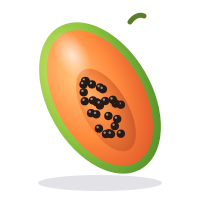 | Papaya | پپیتا | papītā | |
 | Guava | امرود | amrūd | |
 | Pineapple | انناس | anannās | |
 | Strawberry | اسٹرابیری | isṭrāberī | |
 | Cherry | چیری | cherī | |
 | Lemon | لیموں | lemūn | |
 | Coconut | ناریل | nāriyal | |
 | Pear | ناشپاتی | nāshpātī | |
 | Pomegranate | انار | anār | |
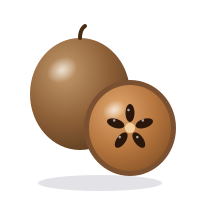 | Sapodilla | چیکو | chīkū | |
 | Peach | آڑو | āṛū | |
 | Muskmelon | خربوزہ | kharbūza | |
 | Kiwi | کیوی | kīvī | |
 | Green Apple | ہرا سیب | harā seb | |
 | Blueberry | بلیو بیری | blū berī | |
 | Lime | ہرا لیموں | harā lemūn | |
 | Jackfruit | کٹہل | kaṭhal | |
 | Java Plum | جامن | jāman | |
 | Lychee | لیچی | līchī | |
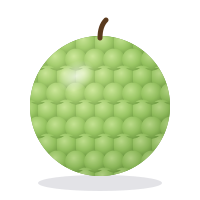 | Custard Apple | شریفہ | sharīfa | |
 | Plum | آلو بخارا | ālū bukhārā | |
 | Indian Gooseberry | آملہ | āmla | |
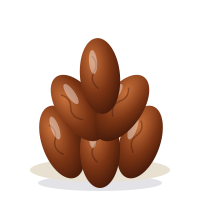 | Dates | کھجور | khajūr | |
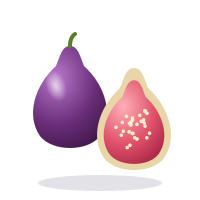 | Fig | انجیر | anjīr |
Fruits name in Urdu is a favourite topic in every nursery class, and it is easy to practise at home because your child can see, touch and taste each word. This page has 30 fruits with pictures and clear audio in Urdu and English, from آم (ām, mango), کیلا (kelā, banana) and سیب (seb, apple) to انار (anār, pomegranate) and امرود (amrūd, guava). Tap any picture to hear its name, then play Find it or Memory.
First fruits to learn in Urdu
Start with fruit you already have at home. A good first five is آم (mango), کیلا (banana), سیب (apple), انگور (angūr, grapes) and مالٹا (mālṭā, orange). Then add تربوز (tarbūz, watermelon), خربوزہ (kharbūza, muskmelon), امرود (guava), انار (pomegranate) and کھجور (khajūr, dates). Say the name each time you wash, cut or share the fruit. Words linked to taste and smell are remembered for a long time.
A note on oranges: in Pakistan the common orange is the مالٹا or the کینو (kīnū, kinnow), grown widely in Punjab, while سنگترہ (sangtara) is used in many Indian Urdu homes. The game uses مالٹا; teach the word your family uses too.
Fruits and seasons
In Pakistan and North India, fruit follows the seasons, which makes a lovely way to talk about the year. Summer brings آم, تربوز, خربوزہ, لیچی (līchī) and جامن (jāman). Winter brings مالٹا, امرود, سیب and انار. Mango season is a celebration in itself: Pakistan and India grow some of the world's most loved mangoes, with famous varieties like Chaunsa, Sindhri, Langra and Alphonso, and families argue happily about which is best.
| Season | Fruits in the game |
|---|---|
| Summer گرمی | آم، تربوز، خربوزہ، لیچی، جامن، آڑو |
| Rainy season برسات | جامن، ناشپاتی، آلو بخارا |
| Winter سردی | مالٹا، امرود، سیب، انار، شریفہ |
| All year | کیلا، پپیتا، ناریل، کھجور |
Dates hold a special place in many Muslim homes, especially in Ramadan, when families often open the fast with کھجور and water. It is a good moment to teach the word.
Fruit words with history
Many Urdu fruit names came from Persian or Arabic: انار, انگور, انجیر (anjīr, fig), تربوز and خربوزہ are all Persian words. Children who also learn Arabic will notice different words for the same fruit, for example رُمَّان in Arabic for انار. Compare with fruits name in Arabic. Urdu also borrows modern names, such as اسٹرابیری (strawberry) and کیوی (kiwi), which bilingual children enjoy spotting.
How to teach fruit names in Urdu at home
- Snack choice. Ask آم چاہیے یا کیلا؟ (mango or banana?). Your child names the one they want.
- Fruit cart. At the rehri or the supermarket, let your child point and name, then count the fruit with Urdu ginti.
- Colours. Sort fruit by colour: لال سیب، پیلا کیلا، ہرا امرود. See colours name in Urdu.
- Fruit chaat. Make a simple fruit chaat together; your child names each fruit as it goes in.
- Letter link. الف سے انار and س سے سیب are on the alphabet cards.
Play "guess the fruit": describe it in simple Urdu, such as یہ پیلا ہے اور لمبا ہے ("it is yellow and long"), and let your child tap the picture.
What to expect by age
At 2-3, children learn 4-6 fruit names from snacks and point to them in the game. At 3-4, they name 10-15 fruits and match them to colours. At 4-5, they say what they like: مجھے آم پسند ہے (I like mango). At 5-6, they read short joined words like آم and سیب. Keep sessions short and play alongside your child; under-twos learn best by holding and tasting the real fruit. For Hindi and English names, see fruits name in Hindi and English, and continue with vegetables name in Urdu.
Fruit, sharing and good manners
Snack time is a lovely moment to practise polite Urdu. Teach your child to say مہربانی when asking for fruit and شکریہ (thank you) when they get it. Many families also teach بسم اللہ before eating. Sharing a plate of cut fruit with brothers, sisters or guests gives your child many chances to name each fruit aloud. If your child is shy about speaking, let them point to the fruit they want first and say the word for them; speaking will follow once they feel confident. Children with speech delay benefit from this same calm, repeated routine every day.
بچوں کے لیے پھلوں کے نام اردو میں
اس صفحے پر تیس پھل تصویر اور صاف آواز کے ساتھ ہیں: آم، کیلا، سیب، انگور، مالٹا، تربوز، امرود، انار، کھجور اور بہت سے دوسرے پھل۔
پھلوں کے نام سکھانے کا بہترین طریقہ باورچی خانہ اور بازار ہے۔ بچے کو اپنا پھل نام لے کر چننے دیں، پھل گنیں، ان کے رنگ بتائیں اور موسم کی بات کریں: گرمیوں میں آم اور تربوز، سردیوں میں مالٹا اور امرود۔
How to use this page at home
Say it, then find it
Play for a few minutes, then look for the same thing away from the screen: urdu words on the shelf, in the kitchen, on the way to school. A child learns a word properly when they meet it twice, once on the screen and once in their hand.
Ten minutes is enough
Short and happy beats long and tired. Stop while your child still wants more, and come back tomorrow: the same page on five short days teaches far more than one long sitting. Nothing here is scored, so there is no reason to push.
Use both languages
Tap the language button at the top to hear the words in your home language first and the second language after. Hearing the same picture named in two languages is one of the few things research agrees builds attention as well as vocabulary.