Vegetables in Chinese: word list with pictures
30 words · tap 🔊 to hear each one in Chinese.
| Picture | English | Chinese | Say it | Listen |
|---|---|---|---|---|
 | Potato | 土豆 | tǔdòu | |
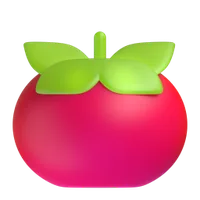 | Tomato | 西红柿 | xīhóngshì | |
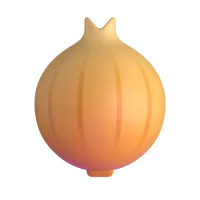 | Onion | 洋葱 | yángcōng | |
 | Carrot | 胡萝卜 | húluóbo | |
 | Peas | 豌豆 | wāndòu | |
 | Cucumber | 黄瓜 | huánggua | |
 | Brinjal | 茄子 | qiézi | |
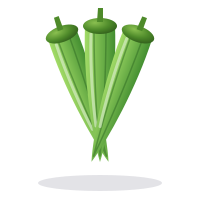 | Okra | 秋葵 | qiūkuí | |
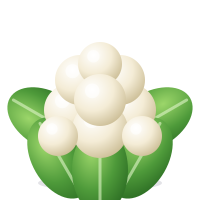 | Cauliflower | 菜花 | càihuā | |
 | Cabbage | 卷心菜 | juǎnxīncài | |
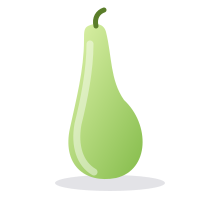 | Bottle Gourd | 葫芦瓜 | húluguā | |
 | Spinach | 菠菜 | bōcài | |
 | Pumpkin | 南瓜 | nánguā | |
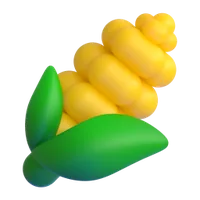 | Corn | 玉米 | yùmǐ | |
 | Capsicum | 彩椒 | cǎijiāo | |
 | Chilli | 辣椒 | làjiāo | |
 | Garlic | 大蒜 | dàsuàn | |
 | Ginger | 姜 | jiāng | |
 | Broccoli | 西兰花 | xīlánhuā | |
 | Mushroom | 蘑菇 | mógu | |
 | Sweet Potato | 红薯 | hóngshǔ | |
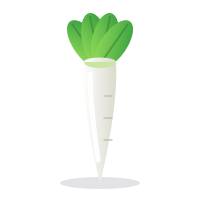 | Radish | 萝卜 | luóbo | |
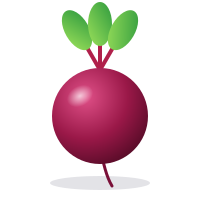 | Beetroot | 甜菜根 | tiáncàigēn | |
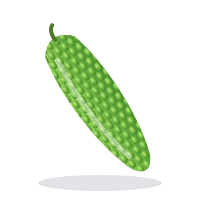 | Bitter Gourd | 苦瓜 | kǔguā | |
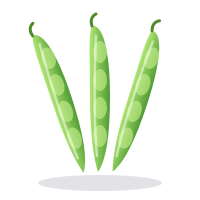 | Green Beans | 四季豆 | sìjìdòu | |
 | Coriander | 香菜 | xiāngcài | |
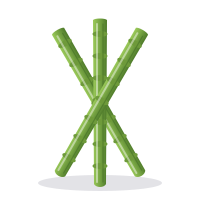 | Drumstick | 辣木豆 | làmùdòu | |
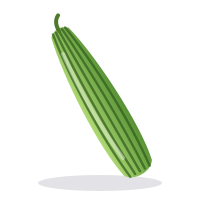 | Ridge Gourd | 丝瓜 | sīguā | |
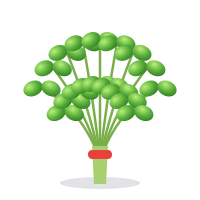 | Fenugreek Leaves | 胡芦巴叶 | húlúbāyè | |
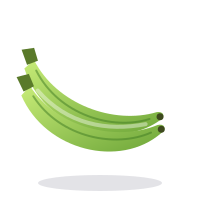 | Raw Banana | 青香蕉 | qīng xiāngjiāo |
Vegetables name in Chinese is a practical topic for families who cook: every meal becomes a short Mandarin lesson. This page has 30 vegetables with pictures, pinyin and clear audio, from 土豆 (tǔdòu, potato) and 西红柿 (xīhóngshì, tomato) to 西兰花 (xīlánhuā, broccoli) and 苦瓜 (kǔguā, bitter gourd). Tap a picture to hear it in Chinese and English, then try Find it or Memory with Golu.
First vegetables in Chinese for toddlers
Begin with the vegetables you cook most often. For many families that means 土豆 (potato, "earth bean"), 胡萝卜 (húluóbo, carrot), 洋葱 (yángcōng, onion), 黄瓜 (huánggua, cucumber, "yellow melon"), 玉米 (yùmǐ, corn, "jade rice") and 豌豆 (wāndòu, peas). Six words are plenty for a two-year-old; hold up the real vegetable each time you say the name.
The general word for vegetable is 蔬菜 (shūcài), and in daily speech people simply say 菜 (cài), which also means "a dish". That is why so many vegetable names end in 菜: 菠菜 (bōcài, spinach), 菜花 (càihuā, cauliflower, "vegetable flower"), 卷心菜 (juǎnxīncài, cabbage, "rolled-heart vegetable") and 香菜 (xiāngcài, coriander, "fragrant vegetable").
Word families: 瓜, 豆 and 椒
Chinese vegetable names group themselves into families that children can learn to spot.
| Family | Meaning | Vegetables on this page |
|---|---|---|
| 瓜 guā | melon or gourd | 黄瓜 cucumber, 南瓜 pumpkin, 苦瓜 bitter gourd, 丝瓜 ridge gourd, 葫芦瓜 bottle gourd |
| 豆 dòu | bean | 豌豆 peas, 四季豆 green beans, 土豆 potato, 辣木豆 drumstick |
| 椒 jiāo | pepper | 辣椒 chilli, 彩椒 capsicum ("colourful pepper") |
| 萝卜 luóbo | radish, root | 萝卜 radish, 胡萝卜 carrot |
The 胡 in carrot, and the 西 or 洋 in tomato, broccoli and onion, tell a story: these vegetables arrived in China from the west or from overseas. A tomato is literally a "western red persimmon". Older children find this history fascinating.
Vegetables in Chinese cooking
If you cook Chinese food at home, you already have a vegetable curriculum. 西红柿炒鸡蛋 (tomato and egg stir fry) is often the first dish Chinese children learn to love. 大蒜 (dàsuàn, garlic), 姜 (jiāng, ginger) and 葱 (spring onion) start almost every stir fry, so let your child smell each one and say its name. Mushrooms (蘑菇, mógu) and 红薯 (hóngshǔ, sweet potato) are winter favourites; in northern China, roasted sweet potatoes are sold hot on the street. At the Dragon Boat Festival and Chinese New Year, children can help wash vegetables for the family meal and name each one.
How to teach vegetables in Chinese at home
- Kitchen helper (age 3+). Let your child wash peas or corn while you name them. Touch, smell and a word together make memories.
- Shopping list game (age 4+). Draw three vegetables on a list; your child finds them in the shop and says them in Chinese.
- Colour and vegetable (age 4+). "红色的西红柿,绿色的菠菜": combine with colours in Chinese.
- Grow one (age 5+). Plant a bean in a cup, call it 豆豆, and name its parts as it grows.
Picky eater? Naming a vegetable in a new language can make it feel like a game rather than a battle. Never force tasting; just name, touch and smile. Five calm minutes a day is enough.
Regional names grandparents might use
Vegetable names vary across Chinese-speaking places. Tomato is 西红柿 in the north and 番茄 (fānqié) in the south and Taiwan; potato is 土豆 in the mainland and 马铃薯 in Taiwan; broccoli may be 西兰花 or 青花菜. Brinjal is 茄子 (qiézi) everywhere, and families even say "茄子" instead of "cheese" when taking photos, because it makes you smile. If your family uses different words, teach both.
Potato, carrot, broccoli: quick answers
Parents often want just one word in a hurry at the shop. Carrot in Chinese is 胡萝卜 (húluóbo); onion in Chinese is 洋葱 (yángcōng); corn in Chinese is 玉米 (yùmǐ). Broccoli in Chinese is 西兰花 (xīlánhuā), pumpkin in Chinese is 南瓜 (nánguā), mushroom in Chinese is 蘑菇 (mógu) and cucumber in Chinese is 黄瓜 (huánggua). Spinach is 菠菜 (bōcài), and chilli is 辣椒 (làjiāo), where 辣 means "spicy hot". Teach that last one with a warning face: "好辣!" (so spicy!) is a phrase children love to shout.
For the pronunciation, tap each picture a few times and copy the melody of the voice. The pinyin in the word list is a reminder for grown-ups; young children learn the sound by ear. If your child only says the first syllable at first, such as "胡" for carrot, smile and repeat the full word back to them. That gentle echo is how children in Chinese-speaking homes learn too.
For heritage and diaspora families
This page also includes vegetables common in South Asian kitchens, such as okra (秋葵), bitter gourd, drumstick and fenugreek leaves, which makes it useful for Chinese-Indian families and for families in Singapore and Malaysia. The word list above prints neatly from your browser as a vegetables chart with pictures and pinyin; there is no PDF download. After vegetables, move on to fruits in Chinese or compare with vegetables in Korean.
在厨房里学中文
做饭的时候,请孩子来帮忙吧!洗豌豆、剥玉米、摸一摸土豆,一边做一边说名字:“这是胡萝卜,那是洋葱。”孩子用手摸、用鼻子闻、用耳朵听,会记得特别清楚。
如果孩子不爱吃青菜,也不要着急。可以先玩一玩“找蔬菜”的游戏,说一说蔬菜的颜色和名字。慢慢地,孩子会愿意尝一尝。每天五分钟就够了,多表扬,少批评。
How to use this page at home
Say it, then find it
Play for a few minutes, then look for the same thing away from the screen: chinese words on the shelf, in the kitchen, on the way to school. A child learns a word properly when they meet it twice, once on the screen and once in their hand.
Ten minutes is enough
Short and happy beats long and tired. Stop while your child still wants more, and come back tomorrow: the same page on five short days teaches far more than one long sitting. Nothing here is scored, so there is no reason to push.
Use both languages
Tap the language button at the top to hear the words in your home language first and the second language after. Hearing the same picture named in two languages is one of the few things research agrees builds attention as well as vocabulary.