Fruits in Japanese: word list with pictures
30 words · tap 🔊 to hear each one in Japanese.
| Picture | English | Japanese | Say it | Listen |
|---|---|---|---|---|
 | Mango | マンゴー | mangoo | |
 | Banana | バナナ | banana | |
 | Apple | りんご | ringo | |
 | Orange | みかん | mikan | |
 | Grapes | ぶどう | budou | |
 | Watermelon | すいか | suika | |
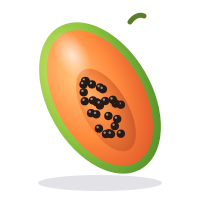 | Papaya | パパイヤ | papaiya | |
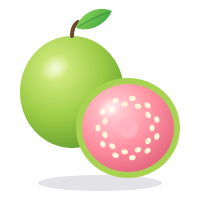 | Guava | グアバ | guaba | |
 | Pineapple | パイナップル | painappuru | |
 | Strawberry | いちご | ichigo | |
 | Cherry | さくらんぼ | sakuranbo | |
 | Lemon | レモン | remon | |
 | Coconut | ココナッツ | kokonattsu | |
 | Pear | なし | nashi | |
 | Pomegranate | ざくろ | zakuro | |
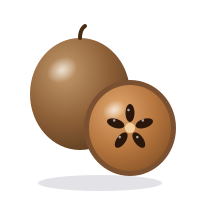 | Sapodilla | サポジラ | sapojira | |
 | Peach | もも | momo | |
 | Muskmelon | メロン | meron | |
 | Kiwi | キウイ | kiui | |
 | Green Apple | あおりんご | aoringo | |
 | Blueberry | ブルーベリー | buruuberii | |
 | Lime | ライム | raimu | |
 | Jackfruit | ジャックフルーツ | jakkufuruutsu | |
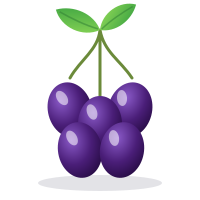 | Java Plum | ジャムン | jamun | |
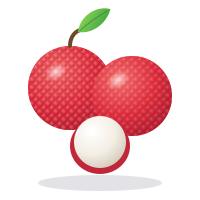 | Lychee | ライチ | raichi | |
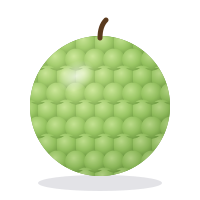 | Custard Apple | バンレイシ | banreishi | |
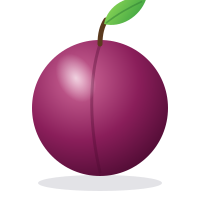 | Plum | すもも | sumomo | |
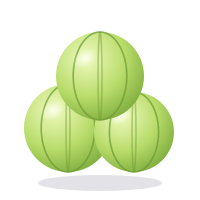 | Indian Gooseberry | アムラ | amura | |
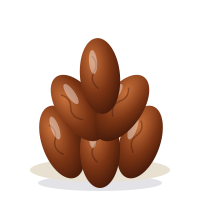 | Dates | なつめやし | natsumeyashi | |
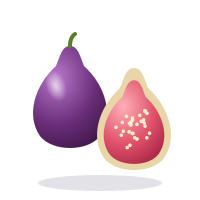 | Fig | いちじく | ichijiku |
Fruits name in Japanese is one of the sweetest ways to begin Japanese with a young child: every word comes with a taste, a colour and a season. This page has 30 fruits with pictures, romaji and clear audio, from りんご (ringo, apple) and いちご (ichigo, strawberry) to tropical fruits such as マンゴー (mangoo, mango). Tap a picture to hear the name in Japanese and English, then play Find it when a few fruits feel familiar.
First fruits in Japanese for toddlers
Start with the fruits your child eats every week. In Japanese, the fruit word is くだもの (kudamono), and the everyday favourites are りんご (apple), バナナ (banana), いちご (strawberry), みかん (mikan, mandarin orange), ぶどう (budou, grapes), すいか (suika, watermelon) and もも (momo, peach). Seven words, most of them two or three syllables, are perfect for a two- or three-year-old. Hold up the real fruit each time you say its name.
Hiragana fruits and katakana fruits
Fruits show the two Japanese scripts nicely. Fruits that have grown in Japan for a long time have Japanese names written in hiragana: りんご、みかん、もも、なし (nashi, pear), ぶどう、いちご、すいか、さくらんぼ (sakuranbo, cherry), すもも (sumomo, plum), いちじく (ichijiku, fig) and ざくろ (zakuro, pomegranate). Fruits that arrived from abroad use katakana and sound like English: バナナ、メロン (meron), レモン (remon), キウイ (kiui), パイナップル (painappuru), ブルーベリー (buruuberii) and マンゴー. Children learning English and Japanese together get an easy win from these.
A small surprise for grown-ups: the Japanese word for "orange" the fruit is usually みかん, the small, easy-peel mandarin that Japanese families eat by the bowlful in winter. オレンジ means a larger Western orange, and it is also the colour.
Seasonal fruits in Japan
Japanese families pay close attention to the season of each fruit, and preschools teach it too.
| Season | Fruits | A custom to try |
|---|---|---|
| Winter to spring | いちご strawberry, みかん mandarin | Strawberry picking (いちごがり) is a favourite family outing; mikan are eaten under the heated こたつ table. |
| Early summer | さくらんぼ cherry, びわ loquat | Count cherries in pairs on their stalks. |
| Summer | すいか watermelon, もも peach, メロン melon | すいかわり (suikawari): a blindfolded child tries to split a watermelon with a stick while friends shout directions. |
| Autumn | なし pear, ぶどう grapes, りんご apple | Grape and apple picking in the countryside. |
Suikawari is easy to play at home or in the park with a soft ball instead of a watermelon, and it teaches direction words like みぎ (right) and ひだり (left).
Japanese fruit culture and stories
- Momotaro, the Peach Boy, was found inside a giant floating もも. Read the story, then find the peach in the game.
- Gift fruit: perfect melons and strawberries are sold as special gifts in Japan, beautifully boxed. A single fruit can be a treasured present.
- Regional fruits: Aomori is famous for apples, Yamagata for cherries and Ehime for mikan. Children like finding these places on a map.
How to teach fruits in Japanese at home
- Snack-time words. Offer a choice in Japanese: "りんご? バナナ?" Your child answers with a word or a point.
- Counting fruit. "いちごが ひとつ、ふたつ、みっつ", linking fruit to numbers in Japanese.
- Colour match. あかい りんご、きいろい バナナ: combine with colours in Japanese.
- Shop game. Set up a toy fruit shop; your child says "りんごを ください" (an apple, please).
- First letters. Five-year-olds can find り for りんご and み for みかん on the hiragana chart.
Five to ten minutes together is plenty. If your child would rather eat the strawberry than name it, that is fine: tasting is learning too.
Apple, strawberry, peach: quick answers
Apple in Japanese is りんご (ringo). Strawberry in Japanese is いちご (ichigo). Peach in Japanese is もも (momo). Watermelon in Japanese is すいか (suika), grapes in Japanese are ぶどう (budou) and banana in Japanese is バナナ, said with three even beats: ba-na-na. Japanese words have a gentle pitch but no tones, so if you copy the audio, you will sound natural.
For heritage and bilingual families
This page includes fruits common in India and Southeast Asia too, such as guava (グアバ), jackfruit and Java plum (ジャムン), which helps families living outside Japan talk about the fruit they actually buy. The word list above prints from your browser as a Japanese fruits chart with romaji; there is no separate PDF. When fruits are going well, move on to vegetables in Japanese, or compare with fruits in Korean.
くだものの なまえで あそぼう
おやつの じかんは ことばの れんしゅうに ぴったりです。「りんご、どうぞ」「いちご、いくつ たべる?」と はなしかけながら、くだものの なまえを いってみましょう。ふゆは みかん、なつは すいか、きせつの くだものを いっしょに たのしむのも すてきです。
おみせやさんごっこも おすすめです。「りんごを ください」「はい、どうぞ」。あそびながら ことばが しぜんに でてきます。まちがえても だいじょうぶ。いえたら「よく いえたね!」と ほめてあげてください。
How to use this page at home
Say it, then find it
Play for a few minutes, then look for the same thing away from the screen: japanese words on the shelf, in the kitchen, on the way to school. A child learns a word properly when they meet it twice, once on the screen and once in their hand.
Ten minutes is enough
Short and happy beats long and tired. Stop while your child still wants more, and come back tomorrow: the same page on five short days teaches far more than one long sitting. Nothing here is scored, so there is no reason to push.
Use both languages
Tap the language button at the top to hear the words in your home language first and the second language after. Hearing the same picture named in two languages is one of the few things research agrees builds attention as well as vocabulary.