Vegetables in Marathi: word list with pictures
30 words · tap 🔊 to hear each one in Marathi.
| Picture | English | Marathi | Say it | Listen |
|---|---|---|---|---|
 | Potato | बटाटा | baṭāṭā | |
 | Tomato | टोमॅटो | ṭomêṭo | |
 | Onion | कांदा | kāṃdā | |
 | Carrot | गाजर | gājar | |
 | Peas | मटार | maṭār | |
 | Cucumber | काकडी | kākaḍī | |
 | Brinjal | वांगं | vāṃgaṃ | |
 | Okra | भेंडी | bheṃḍī | |
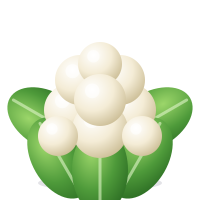 | Cauliflower | फ्लॉवर | phlovar | |
 | Cabbage | कोबी | kobī | |
 | Bottle Gourd | दुधी भोपळा | dudhī bhopaḷā | |
 | Spinach | पालक | pālak | |
 | Pumpkin | लाल भोपळा | lāl bhopaḷā | |
 | Corn | मका | makā | |
 | Capsicum | ढोबळी मिरची | ḍhobaḷī mirachī | |
 | Chilli | मिरची | mirachī | |
 | Garlic | लसूण | lasūṇ | |
 | Ginger | आलं | ālaṃ | |
 | Broccoli | ब्रोकोली | brokolī | |
 | Mushroom | अळंबी | aḷaṃbī | |
 | Sweet Potato | रताळं | ratāḷaṃ | |
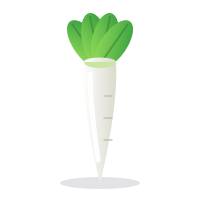 | Radish | मुळा | muḷā | |
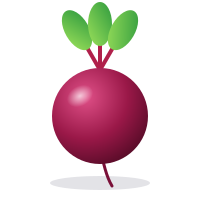 | Beetroot | बीट | bīṭ | |
 | Bitter Gourd | कारलं | kāralaṃ | |
 | Green Beans | फरसबी | pharasabī | |
 | Coriander | कोथिंबीर | kothiṃbīr | |
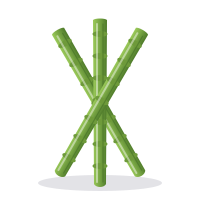 | Drumstick | शेवगा | shevagā | |
 | Ridge Gourd | दोडका | doḍakā | |
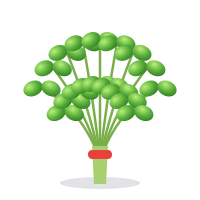 | Fenugreek Leaves | मेथी | methī | |
 | Raw Banana | कच्चं केळं | kachchaṃ keḷaṃ |
Vegetables name in Marathi are words your child hears at every meal: बटाटा (batata, potato) in the vada pav, कांदा (kaanda, onion) in the pohe, and वांगं (vaanga, brinjal) in bharli vangi. This page has 30 vegetables with pictures and clear audio. Tap a picture to hear the name in Marathi and English, then play Find it or Memory.
Three kinds of bhajya: a Marathi way to sort vegetables
Marathi kitchens sort vegetables in a way that is perfect for teaching children to think in groups. भाजी (bhaji) means a vegetable, and the plural is भाज्या (bhajya):
| Group | Meaning | Examples on this page |
|---|---|---|
| पालेभाज्या (palebhajya) | leafy vegetables | पालक spinach, मेथी fenugreek, कोथिंबीर coriander |
| फळभाज्या (phalbhajya) | "fruit vegetables" that grow on a plant or vine | वांगं brinjal, भेंडी okra, दुधी भोपळा bottle gourd, दोडका ridge gourd, कारलं bitter gourd, काकडी cucumber, टोमॅटो tomato, शेवगा drumstick |
| कंदमुळं (kandmula) | roots and tubers from under the ground | बटाटा potato, रताळं sweet potato, मुळा radish, गाजर carrot, बीट beetroot, कांदा onion |
Make it a game for 4- and 5-year-olds: "Does it grow under the ground or on a plant?" Sorting pictures into three piles teaches both the Marathi words and real science.
Vegetables in Marathi food
- Bharli vangi: small वांगी stuffed with a peanut and coconut masala.
- Batata bhaji and vada pav: the favourite बटाटा, with मिरची (mirchi, chilli), आलं (aala, ginger) and लसूण (lasoon, garlic).
- Methi and palak bhaji: पालेभाज्या cooked simply, eaten with bhakri.
- Amti and sambar: शेवगा (shevga, drumstick) in dal.
- Pav bhaji: a mash of बटाटा, मटार (matar, peas), फ्लॉवर (cauliflower), ढोबळी मिरची (capsicum) and टोमॅटो. Ask your child to name every vegetable hiding in it!
At Makar Sankranti, many Marathi families cook भोगीची भाजी on Bhogi, the day before, a mixed dish of winter vegetables like गाजर, मटार, वांगी and beans. Let your child help wash and name each one.
A few names that surprise children
दुधी भोपळा (dudhi bhopla, bottle gourd) means "milky pumpkin", and लाल भोपळा (laal bhopla, pumpkin) means "red pumpkin", so both are भोपळा. ढोबळी मिरची (dhobli mirchi) is capsicum, "fat chilli". अळंबी (alambi) is mushroom, and फरसबी (farasbi) is French beans. कच्चं केळं (kachcha kela) is a raw banana, cooked as a vegetable; compare it with the ripe केळं on fruits name in Marathi.
How to teach vegetable names in Marathi
- Kitchen helper. Let your child shell मटार, pluck मेथी leaves or wash टोमॅटो, naming each one.
- Bhaji mandai game. At the vegetable market, give one job: "Find the गाजर."
- Colours. Red टोमॅटो, green भेंडी, purple वांगं, orange गाजर. Pair with colours in Marathi.
- Grow one. मेथी seeds sprout in a small pot within days. Children love watching it grow.
- Count. How many कांदे in the basket? Use numbers in Marathi.
| Age | Goal |
|---|---|
| 2-3 | Points to 5 vegetables when named: potato, onion, tomato, carrot, peas |
| 3-4 | Says 10 vegetables name in Marathi, knows their colours |
| 4-5 (LKG) | About 20; sorts leafy vegetables from roots |
| 5-6 (UKG) | All 30; sorts fruits and vegetables; reads short names like मुळा, बीट |
For a school chart or worksheet of 10 or 20 vegetables name in Marathi, print this page from your browser. The word list with pictures prints with Marathi and English side by side.
Pretend cooking: the best vegetable game
Three- to five-year-olds love to "cook". Give your child a small pot, a spoon and a few real vegetables, and make a pretend भाजी together. Ask questions in Marathi as you play: "कांदा टाकू का?" (shall I add onion?), "किती बटाटे?" (how many potatoes?). Your child answers, stirs and serves. In ten minutes of play they will say more Marathi words than in any lesson, and they will remember them because they used them. Finish by cooking one real, simple dish together, like बटाट्याची भाजी, and let your child name every ingredient before it goes in.
For families abroad, and for picky eaters
Outside Maharashtra, the Indian grocery store is your classroom: दोडका, कारलं, शेवगा and मेथी are usually there. Supermarket vegetables like broccoli (ब्रोकोली) count too. Children who refuse vegetables often come round after many friendly meetings, so touching, smelling, naming and cooking are all gentle steps. Never force a taste. For more practice, the English and Hindi vegetables name game uses the same 30 vegetables.
पालकांसाठी
स्वयंपाकघर हीच उत्तम शाळा आहे. भाजी करताना प्रत्येक भाजीचं नाव सांगा: कांदा, बटाटा, टोमॅटो. मुलाला मटार सोलायला किंवा मेथी निवडायला द्या.
भाज्यांचे तीन गट शिकवा: पालेभाज्या, फळभाज्या आणि कंदमुळं. "ही भाजी जमिनीखाली वाढते की झाडावर?" असं विचारा. हा खेळ मुलांना खूप आवडतो.
मूल भाजी खायला नाही म्हणालं तर जबरदस्ती करू नका. हात लावू द्या, वास घेऊ द्या, नाव सांगू द्या. हळूहळू आवड निर्माण होते.
How to use this page at home
Say it, then find it
Play for a few minutes, then look for the same thing away from the screen: marathi words on the shelf, in the kitchen, on the way to school. A child learns a word properly when they meet it twice, once on the screen and once in their hand.
Ten minutes is enough
Short and happy beats long and tired. Stop while your child still wants more, and come back tomorrow: the same page on five short days teaches far more than one long sitting. Nothing here is scored, so there is no reason to push.
Use both languages
Tap the language button at the top to hear the words in your home language first and the second language after. Hearing the same picture named in two languages is one of the few things research agrees builds attention as well as vocabulary.