Fruits in Polish: word list with pictures
30 words · tap 🔊 to hear each one in Polish.
| Picture | English | Polish | Say it | Listen |
|---|---|---|---|---|
 | Mango | Mango | ||
 | Banana | Banan | ||
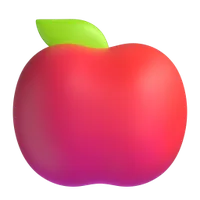 | Apple | Jabłko | ||
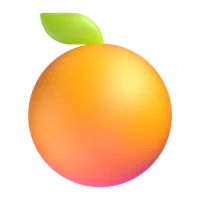 | Orange | Pomarańcza | ||
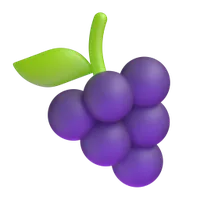 | Grapes | Winogrona | ||
 | Watermelon | Arbuz | ||
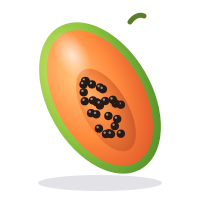 | Papaya | Papaja | ||
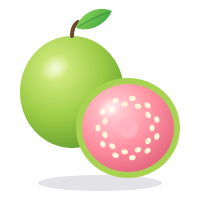 | Guava | Gujawa | ||
 | Pineapple | Ananas | ||
 | Strawberry | Truskawka | ||
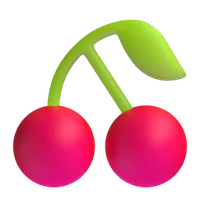 | Cherry | Wiśnia | ||
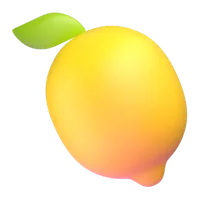 | Lemon | Cytryna | ||
 | Coconut | Kokos | ||
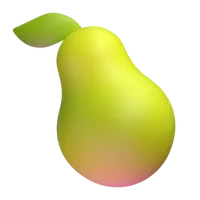 | Pear | Gruszka | ||
 | Pomegranate | Granat | ||
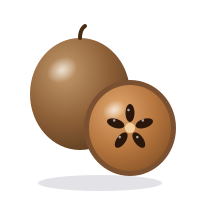 | Sapodilla | Sapodilla | ||
 | Peach | Brzoskwinia | ||
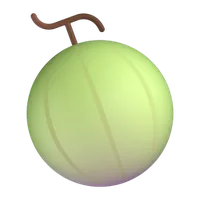 | Muskmelon | Melon | ||
 | Kiwi | Kiwi | ||
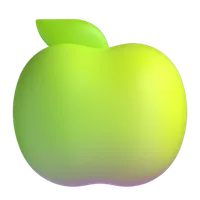 | Green Apple | Zielone jabłko | ||
 | Blueberry | Borówka | ||
 | Lime | Limonka | ||
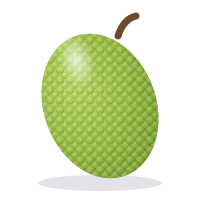 | Jackfruit | Chlebowiec | ||
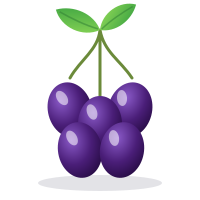 | Java Plum | Jambolan | ||
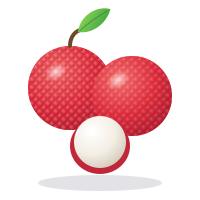 | Lychee | Liczi | ||
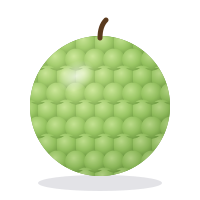 | Custard Apple | Czerymoja | ||
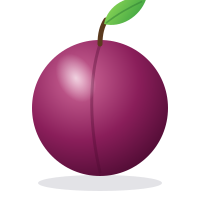 | Plum | Śliwka | ||
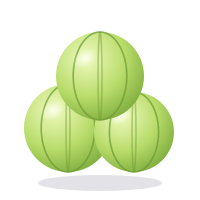 | Indian Gooseberry | Agrest indyjski | ||
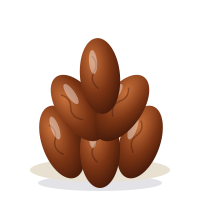 | Dates | Daktyle | ||
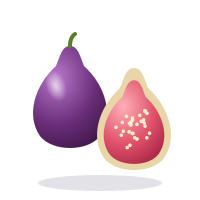 | Fig | Figa |
Fruits in Polish are tasty first words, and Poland is a great place to learn them: it grows more apples than any other country in the European Union, and summer brings baskets of strawberries, cherries and blueberries. This page has 30 fruits with pictures and clear audio, from jabłko (apple), gruszka (pear) and truskawka (strawberry) to arbuz (watermelon), ananas (pineapple) and figa (fig). Tap a picture to hear the Polish and English name, then play Find it or Memory.
The first fruits in Polish to learn
Start with the fruits your child eats most: jabłko, banan, gruszka, truskawka, winogrona (grapes) and pomarańcza (orange). Several are on the Polish alphabet cards too: A jak arbuz, B jak banan, C jak cytryna (lemon), G jak gruszka and J jak jabłko.
Two cherries confuse English speakers. The word list uses wiśnia, which is the sour cherry used in jams, cakes and pierogi z wiśniami. The sweet cherry that children eat straight from the tree is czereśnia. Polish families know the difference, and your child will hear both in summer.
Polish fruit through the seasons
| Season | Fruits | Family moment |
|---|---|---|
| Early summer | truskawki | Strawberries with cream, truskawki ze śmietaną |
| Summer | czereśnie, wiśnie, borówki, maliny | Picking berries in the forest or at grandma's |
| Late summer | śliwki, arbuzy | Plum cake, placek ze śliwkami |
| Autumn | jabłka, gruszki | Apple picking and szarlotka (apple cake) |
| Winter | mandarynki, pomarańcze | Mandarins in the Christmas and Mikołajki treats |
Many Polish homes make kompot, a light drink of fruit boiled in water, which children drink with lunch. Making kompot together is a lovely way to name each fruit as it goes in the pot.
Our fruit list is shared with the site's Indian pages, so it also has fruits like gujawa (guava), chlebowiec (jackfruit, "bread tree") and agrest indyjski (amla). These are rare in Polish shops, so enjoy them as a trip around the world.
One apple, many apples
Polish nouns change for plurals and for counting: jedno jabłko, dwa jabłka, pięć jabłek. It sounds complicated, but children learn it naturally by hearing it over and over. Count fruit together with numbers in Polish and simply repeat the right phrase. Most fruits in Polish are feminine and end in -a, like gruszka, śliwka and truskawka, while banan and arbuz are masculine and jabłko is neuter.
How to teach fruit names in Polish at home
- Fruit bowl game. Put three fruits on the table and ask "Gdzie jest banan?"
- Lunchbox talk. Name the fruit for the preschool snack, drugie śniadanie ("second breakfast").
- Colour sort. "Truskawka jest czerwona, banan jest żółty." Practise with colours in Polish.
- Market helper. Let your child ask the seller: "Poproszę jabłka!" (Apples, please!)
- Taste guess. Close your eyes, taste a piece and guess the fruit in Polish.
Teach the phrase "Lubię..." (I like...). "Lubię truskawki!" gives your child a full sentence to use with any fruit.
What to expect by age
At two to three, children learn five or six fruit names and love tapping the pictures. At three to four, they name ten or more and match them to colours. At four to five, they say what they like. At five to six, they sort fruits by season or colour and may read short names like banan or kiwi. Never force tasting; a picture and a sniff are enough. Keep screen time short and shared. For English and Hindi names, see fruits name in Hindi and English, or compare the fruits in Ukrainian.
For Polish families abroad, fruit is an easy everyday topic for keeping Polish alive. Name the fruit you buy each week in Polish, ask your child to choose between two ("Jabłko czy gruszka?"), and read Polish picture books about orchards and gardens. Summer holidays at grandma's, picking strawberries or plums, are often children's favourite memories and a real boost for their Polish.
Blueberries deserve a special mention: in Polish forests, families pick wild jagody in summer, and children come home with blue mouths and fingers. The cultivated blueberry on this page is borówka. Both end up in jagodzianki, sweet summer buns loved all over Poland.
Owoce dla dzieci: nazwy
Tutaj dziecko uczy się 30 owoców z obrazkiem i nagraniem: jabłko, gruszka, banan, truskawka, śliwka, winogrona i wiele innych. Dotknij obrazka, a usłyszysz nazwę po polsku i po angielsku.
Idźcie razem na targ, ugotujcie kompot, policzcie jabłka w koszyku i porozmawiajcie o porach roku: truskawki w czerwcu, śliwki pod koniec lata, jabłka jesienią.
How to use this page at home
Say it, then find it
Play for a few minutes, then look for the same thing away from the screen: polish words on the shelf, in the kitchen, on the way to school. A child learns a word properly when they meet it twice, once on the screen and once in their hand.
Ten minutes is enough
Short and happy beats long and tired. Stop while your child still wants more, and come back tomorrow: the same page on five short days teaches far more than one long sitting. Nothing here is scored, so there is no reason to push.
Use both languages
Tap the language button at the top to hear the words in your home language first and the second language after. Hearing the same picture named in two languages is one of the few things research agrees builds attention as well as vocabulary.