Learning Polish for kids is a gift that keeps families close, whether you live in Poland or in one of the big Polish communities in the UK, Ireland, Germany or the United States. This free hub has eight short games in Polish and English: the Polish alphabet with all 32 letters, numbers in Polish from 1 to 100, and picture words for animals, fruits, vegetables, colours and body parts. Every word is spoken in clear audio, so children who cannot read yet can tap, listen and play.
What your child learns in Polish here
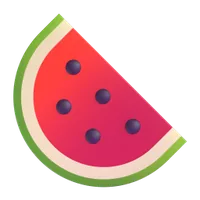
- Alphabet: 32 letter cards, from A jak arbuz (watermelon) to Ż jak żaba (frog).
- Numbers: a tap-to-hear chart from jeden to sto, with a "Count with me" button.
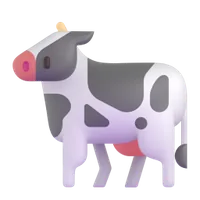
- Animals: 60 animals, from krowa (cow) to konik morski (seahorse).
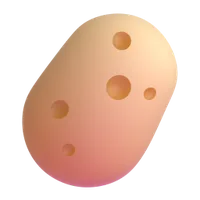
- Fruits and vegetables: 30 each, from jabłko (apple) to ziemniak (potato).
- Colours: 12 colours, from czerwony to błękitny.
- Body parts: 30 words, from głowa (head) to serce (heart).
How young children in Poland learn
In Poland, babies and toddlers can go to a żłobek (nursery) until three. From three to six, most children attend przedszkole (preschool), where days are full of play, songs, crafts, walks and themed weeks. At six, every child must complete one year of roczne przygotowanie przedszkolne, the preparation year that everyone calls zerówka ("year zero"). In zerówka, children learn to listen for sounds, split words into syllables, recognise many letters and count to 10 and beyond. Formal school, klasa 1, starts at seven, which is later than in many countries.
Polish preschools celebrate a lot together: Dzień Babci i Dziadka (Grandma and Grandpa Day) in January, Dzień Mamy (Mother's Day) on 26 May, Dzień Dziecka (Children's Day) on 1 June, and Mikołajki on 6 December, when St Nicholas leaves small gifts. Children prepare songs and poems for each one, so rhymes are a big part of early Polish.
Which Polish game to start with, by age
| Age | Start here | What to expect |
|---|---|---|
| 2-3 | Animals and colours | Copies sounds and words: kot, pies, hau hau |
| 3-4 | Fruits, body parts, numbers 1-10 | Names everyday things, counts to ten |
| 4-5 | Find it and Memory, numbers to 20 | Short sentences: "Jabłko jest czerwone" |
| 5-6 | Alphabet, numbers to 100 | Hears sounds and syllables, like in zerówka |
Polish sounds and letters to listen for
Polish looks hard to English speakers because of its special letters, but it is very regular: once you know the rules, you can read any word aloud. The letters with marks, like ą, ę, ć, ł, ń, ó, ś, ź, ż, each have a fixed sound. Ł sounds like English "w", and the letter w sounds like "v". Pairs such as sz ("sh"), cz ("ch") and rz (like the "s" in "measure") make one sound. Young children learn these by ear with no trouble; the audio here helps grown-ups follow along.
Tips for heritage and bilingual families
Many Polish families abroad want their children to talk with babcia and dziadek. The most important thing is to speak Polish at home, every day, even when your child answers in English. Children often understand far more than they say, and speaking comes later. Many cities have a Polish Saturday school, szkoła sobotnia, where children learn to read and write Polish, and many follow the Polish preschool themes.
"One parent, one language" works well in mixed families: the Polish-speaking parent uses only Polish, the other parent English. Mixing words in one sentence is a normal stage. Short, happy games like these, a Polish bedtime story and songs in the car make Polish part of family life. If you are worried about your child's speech, talk to your paediatrician. Keep screen time short and shared; under-twos learn best from a grown-up and real objects.
Nauka polskiego dla dzieci: dla rodziców
Na tej stronie dzieci znajdą osiem krótkich gier po polsku i po angielsku: alfabet, liczby od jednego do stu, zwierzęta, owoce, warzywa, kolory i części ciała. Każde słowo ma obrazek i wyraźne nagranie, więc nawet dzieci, które jeszcze nie czytają, mogą się bawić.
Grajcie kilka minut dziennie, a potem szukajcie prawdziwych rzeczy w kuchni, w sklepie albo na spacerze. Chwalcie wysiłek, nie tylko dobrą odpowiedź, i kończcie zabawę, kiedy dziecko jeszcze się cieszy.
Dla rodzin mieszkających za granicą to mały codzienny most do języka babci i dziadka. Mówcie do dziecka po polsku w domu, czytajcie polskie książeczki i śpiewajcie razem polskie piosenki.
Browse all languages for kids, or try another Slavic language with Ukrainian for kids.
How to use this page at home
Say it, then find it
Play for a few minutes, then look for the same thing away from the screen: polish words on the shelf, in the kitchen, on the way to school. A child learns a word properly when they meet it twice, once on the screen and once in their hand.
Ten minutes is enough
Short and happy beats long and tired. Stop while your child still wants more, and come back tomorrow: the same page on five short days teaches far more than one long sitting. Nothing here is scored, so there is no reason to push.
Use both languages
Tap the language button at the top to hear the words in your home language first and the second language after. Hearing the same picture named in two languages is one of the few things research agrees builds attention as well as vocabulary.