Vegetables in Urdu: word list with pictures
30 words · tap 🔊 to hear each one in Urdu.
| Picture | English | Urdu | Say it | Listen |
|---|---|---|---|---|
 | Potato | آلو | ālū | |
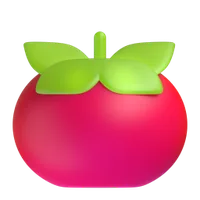 | Tomato | ٹماٹر | ṭamāṭar | |
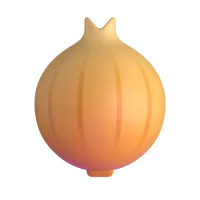 | Onion | پیاز | pyāz | |
 | Carrot | گاجر | gājar | |
 | Peas | مٹر | maṭar | |
 | Cucumber | کھیرا | khīrā | |
 | Brinjal | بینگن | baingan | |
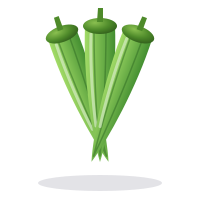 | Okra | بھنڈی | bhinḍī | |
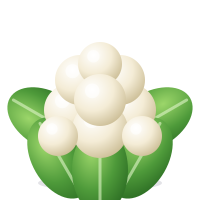 | Cauliflower | پھول گوبھی | phūl gobhī | |
 | Cabbage | بند گوبھی | band gobhī | |
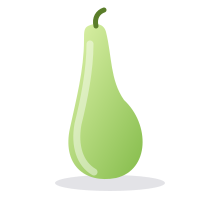 | Bottle Gourd | لوکی | laukī | |
 | Spinach | پالک | pālak | |
 | Pumpkin | کدو | kaddū | |
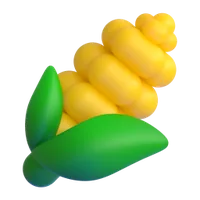 | Corn | بھٹا | bhuṭṭā | |
 | Capsicum | شملہ مرچ | shimla mirch | |
 | Chilli | مرچ | mirch | |
 | Garlic | لہسن | lahsan | |
 | Ginger | ادرک | adrak | |
 | Broccoli | بروکلی | brokolī | |
 | Mushroom | کھمبی | khumbī | |
 | Sweet Potato | شکر قندی | shakar qandī | |
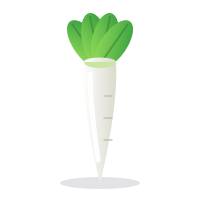 | Radish | مولی | mūlī | |
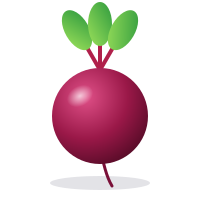 | Beetroot | چقندر | chuqandar | |
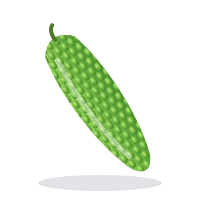 | Bitter Gourd | کریلا | karelā | |
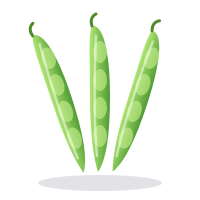 | Green Beans | پھلیاں | phaliyān | |
 | Coriander | دھنیا | dhaniyā | |
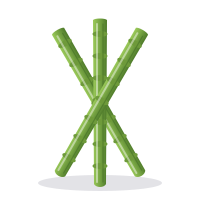 | Drumstick | سہجن | sohanjna | |
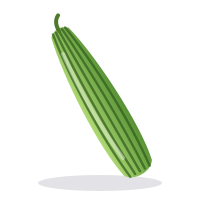 | Ridge Gourd | توری | torī | |
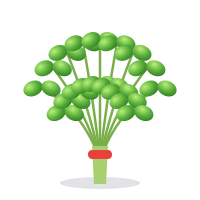 | Fenugreek Leaves | میتھی | methī | |
 | Raw Banana | کچا کیلا | kachchā kelā |
Vegetables name in Urdu, or سبزیوں کے نام (sabziyoñ ke nām), are words children hear at every meal, which makes them easy to practise. This page has 30 vegetables with pictures and clear audio in Urdu and English, from آلو (ālū, potato) and ٹماٹر (ṭamāṭar, tomato) to گاجر (gājar, carrot), بھنڈی (bhinḍī, okra) and پالک (pālak, spinach). Tap a picture to hear it, then play Find it.
Everyday sabzi to learn first
Begin with the vegetables in your kitchen this week. For most Urdu-speaking families that means آلو (potato), پیاز (pyāz, onion), ٹماٹر (tomato), مٹر (maṭar, peas) and گاجر (carrot). Next add کھیرا (khīrā, cucumber), بینگن (baingan, brinjal), بھنڈی (okra), پھول گوبھی (phūl gobhī, cauliflower), بند گوبھی (band gobhī, cabbage), کدو (kaddū, pumpkin) and لوکی (laukī, bottle gourd). The herbs and spices matter too: ہرا دھنیا or دھنیا (coriander), ادرک (adrak, ginger), لہسن (lahsan, garlic) and مرچ (mirch, chilli).
Two names make children smile: پھول گوبھی is "flower cabbage", because a cauliflower looks like a big flower, and شملہ مرچ (capsicum) is "Shimla chilli", named after the hill town where it was grown.
Vegetables in Urdu by colour
| Colour | Vegetables in the game |
|---|---|
| Green ہرا | پالک، مٹر، بھنڈی، کریلا، کھیرا، میتھی |
| Red لال | ٹماٹر، مرچ، چقندر |
| Orange نارنجی | گاجر، کدو |
| White سفید | مولی، پھول گوبھی، لہسن |
| Purple جامنی | بینگن |
Pair this table with colours name in Urdu for a sorting game at the kitchen counter.
Vegetables in family meals
Urdu-speaking kitchens are full of vegetable dishes that give each word a story: ālū gobhī, bhinḍī, ālū maṭar, pālak with lentils, karelā stuffed with spices, and gājar kā halwa in winter, a sweet dish children remember forever. مولی (mūlī, radish) is eaten in winter parathas, and سہجن (drumstick) is cooked in many South Indian and Hyderabadi homes. Naming the vegetable while you cook, and letting your child help wash or shell peas, turns dinner into a language lesson.
How to teach vegetable names in Urdu at home
- Shell the peas. Let your child pop مٹر from their pods and count them with Urdu ginti.
- Sabzi mandi trip. At the vegetable market, give your child three pictures to find.
- Little helper. Wash آلو and گاجر together and name each one.
- Grow something. Coriander or spinach grow quickly in a pot. Check them daily: کتنا بڑا ہوا؟ (how big has it grown?).
- Tiny tastes. Never force food. Praise looking, smelling or a small bite. Naming a vegetable in a game can make a picky eater more curious.
Play "shop": your child is the sabzīwālā and you ask ایک کلو ٹماٹر دے دیں ("one kilo of tomatoes, please").
What to expect by age
At 2-3, children learn a few vegetables they eat often and point to them in Find it. At 3-4, they name 8-12 vegetables and sort by colour. At 4-5, they talk about food: مجھے آلو پسند ہیں (I like potatoes). At 5-6, they read short joined words such as آلو and مٹر. Play for five minutes together, then carry the words into the kitchen. For Hindi and English, see vegetables name in Hindi and English; for Arabic, compare vegetables name in Arabic; and pair this page with fruits name in Urdu.
A bilingual kitchen routine
For families abroad, the kitchen is often where Urdu lives most naturally. Choose one daily moment, such as cooking dinner, and keep it in Urdu. Hand your child a vegetable and ask یہ کیا ہے؟ (what is this?). If they answer in English, smile, repeat the Urdu word, ہاں، یہ گاجر ہے, and carry on. Over a few weeks, the same ten vegetables return again and again, which is exactly the repetition young children need. Grandparents on a video call can join in by asking your child to show them the ٹماٹر or آلو. Keep it cheerful and pressure-free.
بچوں کے لیے سبزیوں کے نام اردو میں
اس صفحے پر تیس سبزیاں تصویر اور صاف آواز کے ساتھ ہیں: آلو، پیاز، ٹماٹر، مٹر، گاجر، بھنڈی، پالک، بینگن، گوبھی اور بہت سی دوسری سبزیاں۔
باورچی خانے کو سیکھنے کی جگہ بنائیں۔ بچے کو سبزیاں دھونے، مٹر چھیلنے اور گننے دیں، اور ان کے رنگوں کی بات کریں۔ بچے کو کھانے پر مجبور نہ کریں، بلکہ چھونے، سونگھنے اور تھوڑا سا چکھنے پر شاباش دیں۔
How to use this page at home
Say it, then find it
Play for a few minutes, then look for the same thing away from the screen: urdu words on the shelf, in the kitchen, on the way to school. A child learns a word properly when they meet it twice, once on the screen and once in their hand.
Ten minutes is enough
Short and happy beats long and tired. Stop while your child still wants more, and come back tomorrow: the same page on five short days teaches far more than one long sitting. Nothing here is scored, so there is no reason to push.
Use both languages
Tap the language button at the top to hear the words in your home language first and the second language after. Hearing the same picture named in two languages is one of the few things research agrees builds attention as well as vocabulary.