Animals in Turkish: word list with pictures
60 words · tap 🔊 to hear each one in Turkish.
| Picture | English | Turkish | Say it | Listen |
|---|---|---|---|---|
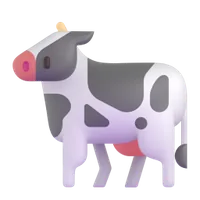 | Cow | İnek | ||
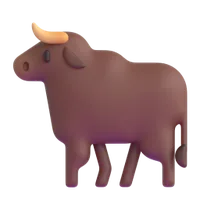 | Bull | Boğa | ||
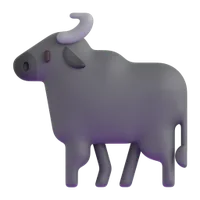 | Buffalo | Manda | ||
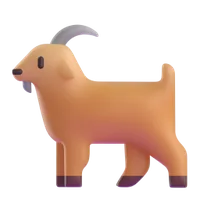 | Goat | Keçi | ||
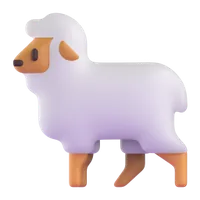 | Sheep | Koyun | ||
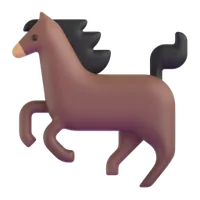 | Horse | At | ||
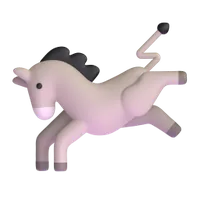 | Donkey | Eşek | ||
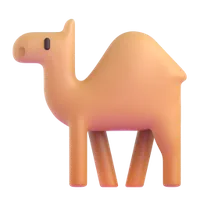 | Camel | Deve | ||
 | Pig | Domuz | ||
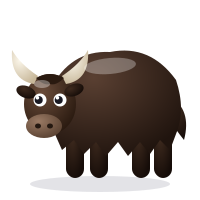 | Yak | Yak | ||
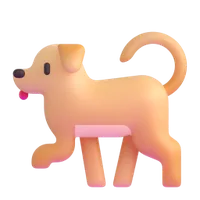 | Dog | Köpek | ||
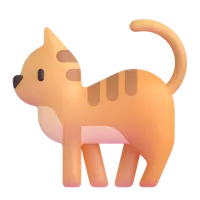 | Cat | Kedi | ||
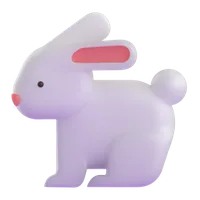 | Rabbit | Tavşan | ||
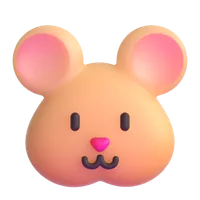 | Hamster | Hamster | ||
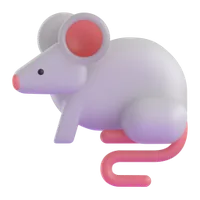 | Mouse | Fare | ||
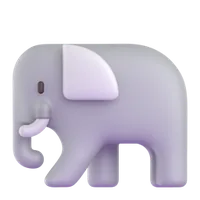 | Elephant | Fil | ||
 | Lion | Aslan | ||
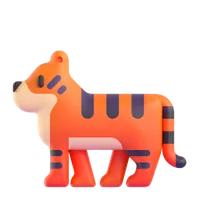 | Tiger | Kaplan | ||
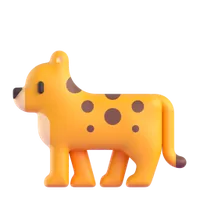 | Leopard | Leopar | ||
 | Bear | Ayı | ||
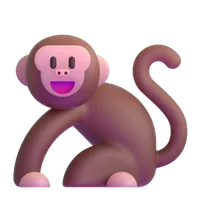 | Monkey | Maymun | ||
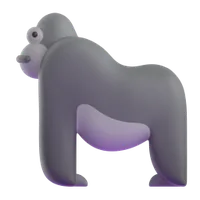 | Gorilla | Goril | ||
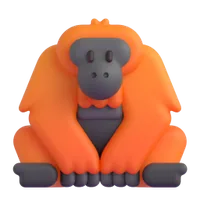 | Orangutan | Orangutan | ||
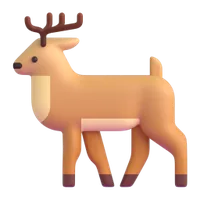 | Deer | Geyik | ||
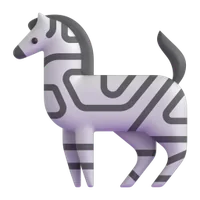 | Zebra | Zebra | ||
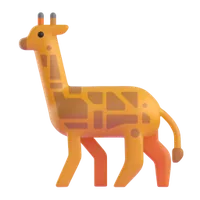 | Giraffe | Zürafa | ||
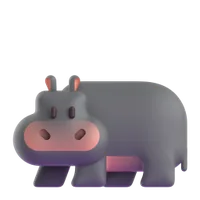 | Hippo | Su aygırı | ||
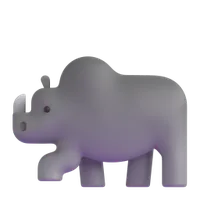 | Rhino | Gergedan | ||
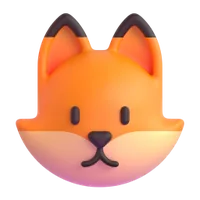 | Fox | Tilki | ||
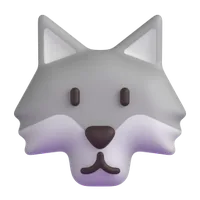 | Wolf | Kurt | ||
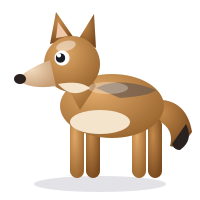 | Jackal | Çakal | ||
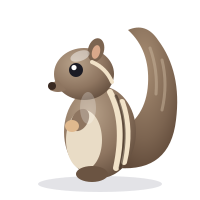 | Squirrel | Sincap | ||
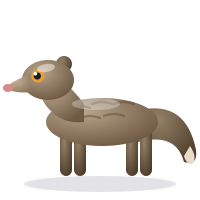 | Mongoose | Firavunfaresi | ||
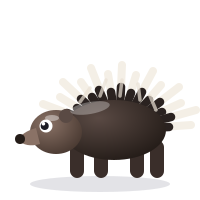 | Porcupine | Oklu kirpi | ||
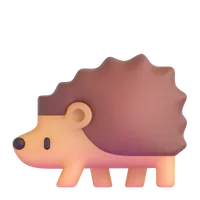 | Hedgehog | Kirpi | ||
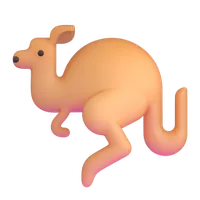 | Kangaroo | Kanguru | ||
 | Koala | Koala | ||
 | Panda | Panda | ||
 | Polar Bear | Kutup ayısı | ||
 | Sloth | Tembel hayvan | ||
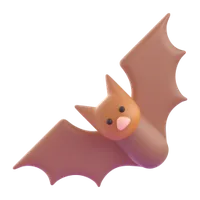 | Bat | Yarasa | ||
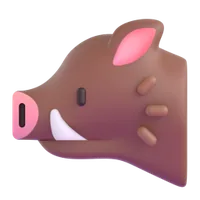 | Wild Boar | Yaban domuzu | ||
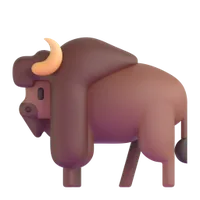 | Indian Bison | Gaur | ||
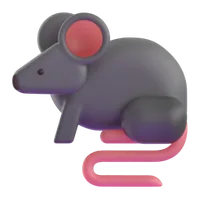 | Rat | Sıçan | ||
 | Fish | Balık | ||
 | Goldfish | Japon balığı | ||
 | Frog | Kurbağa | ||
 | Whale | Balina | ||
 | Dolphin | Yunus | ||
 | Shark | Köpek balığı | ||
 | Octopus | Ahtapot | ||
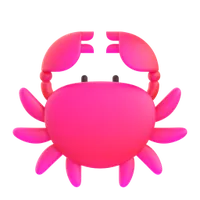 | Crab | Yengeç | ||
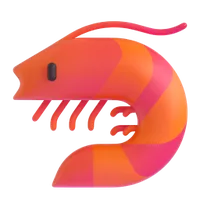 | Prawn | Karides | ||
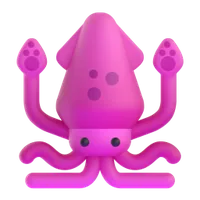 | Squid | Kalamar | ||
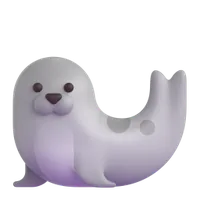 | Seal | Fok | ||
 | Jellyfish | Denizanası | ||
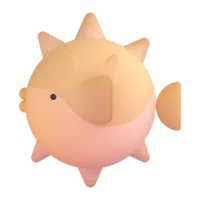 | Pufferfish | Balon balığı | ||
 | Otter | Su samuru | ||
 | Starfish | Denizyıldızı | ||
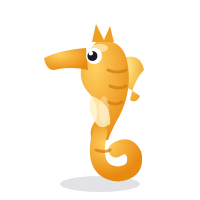 | Seahorse | Denizatı |
Animals in Turkish are a fun first topic, full of short, bouncy words that toddlers love to repeat: kedi (cat), köpek (dog), inek (cow), at (horse). This page has 60 animals with pictures and clear audio, from farm animals and pets to wild animals like aslan (lion) and zürafa (giraffe), and sea animals such as balina (whale) and ahtapot (octopus). Tap a picture to hear it in Turkish and English, then play Find it.
Farm animals and pets in Turkish
Start with çiftlik hayvanları, the farm animals: inek (cow), boğa (bull), manda (water buffalo), keçi (goat), koyun (sheep), at (horse), eşek (donkey) and deve (camel). Then pets: kedi, köpek, tavşan (rabbit), hamster and fare (mouse). Cats hold a special place in Turkish city life; in Istanbul, street cats are fed and cared for by whole neighbourhoods, so kedi is often one of a child's very first words.
Wild and zoo animals in Turkish
Vahşi hayvanlar include fil (elephant), aslan (lion), kaplan (tiger), ayı (bear), maymun (monkey), kurt (wolf), tilki (fox) and geyik (deer). Some names sound close to English, a quick win: zebra, goril, panda, koala, kanguru, leopar. Several names are little descriptions: the hippo is su aygırı ("water stallion"), the polar bear is kutup ayısı ("pole bear") and the sloth is tembel hayvan ("lazy animal"), which always gets a giggle.
Sea animals in Turkish
Türkiye has sea on three sides, so deniz hayvanları are familiar to many children: balık (fish), yunus (dolphin), yengeç (crab), karides (prawn), kalamar (squid) and ahtapot (octopus). Many compound names describe the animal: denizyıldızı is "sea star", denizatı is "sea horse", denizanası (jellyfish) is "sea mother", and the shark, köpek balığı, is literally "dog fish". Ask your child to guess what each part means.
Animal sounds in Turkish
Turkish animals have their own voices. A dog says hav hav, a cat miyav, a cow möö, a sheep mee, a duck vak vak and a frog vrak vrak. The favourite song for this is "Ali Baba'nın çiftliği" ("Ali Baba's farm"), where each verse brings a new animal and its sound. Sing it while tapping the pictures, then compare with English in our animal sounds game.
One animal, many animals
Turkish makes plurals with -ler or -lar, chosen by vowel harmony: kedi → kediler, köpek → köpekler, but at → atlar, balık → balıklar. After a number, though, no plural is needed: üç kedi (three cats). You never have to explain this to a young child; just use full phrases, and they will copy you.
How to teach animal names at home
- Five at a time. Pick five animals, play Listen, then Find it.
- Toy farm. Line up toy animals and ask "İnek nerede?" ("Where is the cow?").
- Act it out. "Ben bir aslanım!" ("I am a lion!"), then roar. Take turns.
- Street spotting. Name every kedi, köpek and kuş (bird) you see outside.
- Letter link. Many animals appear on the Turkish alphabet cards: F – fil, İ – inek, T – tavşan, Z – zürafa.
Play "What am I?": describe an animal simply, "Uzun boynu var, sarı ve kahverengi" ("It has a long neck, yellow and brown"), and let your child tap the zürafa.
What to expect, and tips for families abroad
At 2-3, children usually learn 5-10 animal names, mostly pets and farm animals, and love making the sounds. At 3-4, they name 15-20 and sort them into farm, wild and sea. At 5-6, many can read short names like at, fil, fok, kedi, since Turkish spelling is so regular. Families abroad can keep a shelf of Turkish picture books for bedtime and ask grandparents to show animals on video calls. For animal families, see animals and their babies, and for English and Hindi names, animals name.
Animals in Turkish stories and sayings
Animals are everywhere in Turkish folk stories. Nasreddin Hoca rides his eşek (donkey) backwards so he can talk to the people behind him, and in the Keloğlan tales a clever boy meets kurt (wolf), tilki (fox) and ayı (bear) on his adventures. Tell a short story and let your child tap each animal on the screen as it appears. Many families also say a friendly phrase to cats and dogs they pass in the street, which is a gentle way to teach kindness to animals alongside their names.
Çocuklar için hayvanlar
Bu sayfada resimli ve sesli 60 hayvan var: çiftlik hayvanları, evcil hayvanlar, vahşi hayvanlar ve deniz hayvanları. Bir resme dokunun, çocuğunuz hayvanın adını Türkçe ve İngilizce duysun.
"Ali Baba'nın çiftliği" şarkısını birlikte söyleyin, hayvan seslerini taklit edin: hav hav, miyav, möö. Parkta ve sokakta gördüğünüz hayvanların adlarını söyleyin. Böylece yeni kelimeler kolayca ve eğlenerek öğrenilir.
How to use this page at home
Say it, then find it
Play for a few minutes, then look for the same thing away from the screen: turkish words on the shelf, in the kitchen, on the way to school. A child learns a word properly when they meet it twice, once on the screen and once in their hand.
Ten minutes is enough
Short and happy beats long and tired. Stop while your child still wants more, and come back tomorrow: the same page on five short days teaches far more than one long sitting. Nothing here is scored, so there is no reason to push.
Use both languages
Tap the language button at the top to hear the words in your home language first and the second language after. Hearing the same picture named in two languages is one of the few things research agrees builds attention as well as vocabulary.