Vegetables in Turkish: word list with pictures
30 words · tap 🔊 to hear each one in Turkish.
| Picture | English | Turkish | Say it | Listen |
|---|---|---|---|---|
 | Potato | Patates | ||
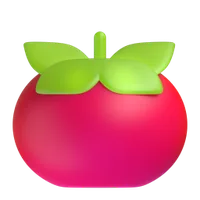 | Tomato | Domates | ||
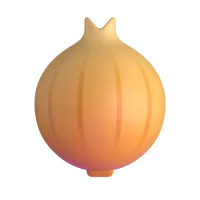 | Onion | Soğan | ||
 | Carrot | Havuç | ||
 | Peas | Bezelye | ||
 | Cucumber | Salatalık | ||
 | Brinjal | Patlıcan | ||
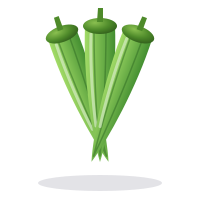 | Okra | Bamya | ||
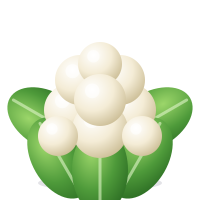 | Cauliflower | Karnabahar | ||
 | Cabbage | Lahana | ||
 | Bottle Gourd | Su kabağı | ||
 | Spinach | Ispanak | ||
 | Pumpkin | Bal kabağı | ||
 | Corn | Mısır | ||
 | Capsicum | Dolmalık biber | ||
 | Chilli | Acı biber | ||
 | Garlic | Sarımsak | ||
 | Ginger | Zencefil | ||
 | Broccoli | Brokoli | ||
 | Mushroom | Mantar | ||
 | Sweet Potato | Tatlı patates | ||
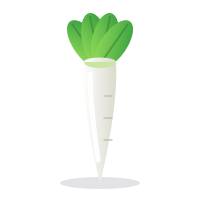 | Radish | Turp | ||
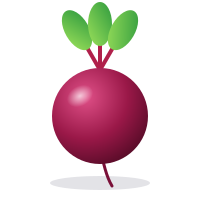 | Beetroot | Pancar | ||
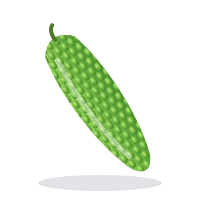 | Bitter Gourd | Kudret narı | ||
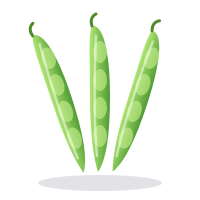 | Green Beans | Taze fasulye | ||
 | Coriander | Kişniş | ||
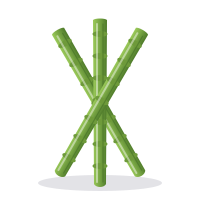 | Drumstick | Moringa | ||
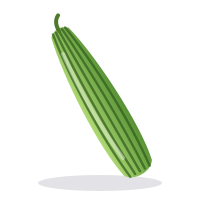 | Ridge Gourd | Lif kabağı | ||
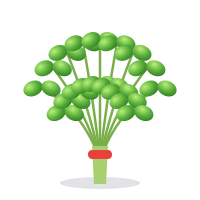 | Fenugreek Leaves | Çemen otu | ||
 | Raw Banana | Ham muz |
Vegetables name in Turkish opens the door to one of the world's great kitchens, where vegetables are the star of the table rather than a side dish. This page has 30 vegetables with pictures and clear audio, from domates (tomato), salatalık (cucumber) and patates (potato) to patlıcan (aubergine), bamya (okra) and bal kabağı (pumpkin). Tap a picture to hear the name in Turkish and English, then let Golu ask for vegetables in Find it.
Breakfast and salad vegetables
A Turkish breakfast (kahvaltı) almost always has sliced domates and salatalık next to cheese, olives and bread, so these are often a child's first vegetable words. Salads add soğan (onion), biber (pepper) and fresh herbs. At breakfast tomorrow, point to each vegetable and name it, then ask your child to pass you one: "Bana bir domates verir misin?" ("Can you give me a tomato?").
Vegetables in Turkish home cooking
Turkish home cooking is full of zeytinyağlı dishes, vegetables gently cooked in olive oil, like green beans (taze fasulye) or okra (bamya). The aubergine, patlıcan, is so loved that there are said to be hundreds of recipes for it. Peppers (dolmalık biber, "stuffing pepper") are filled with rice to make dolma. Spinach, ıspanak, is the picture word for the dotless letter I on the Turkish alphabet cards, and havuç (carrot) is the word for H.
Let your child help in small ways: washing domates, counting biber, peeling a boiled patates. Naming each vegetable as it goes into the pot gives lots of natural practice.
At the pazar
At the weekly street market, the pazar, vegetables change with the seasons: summer tables overflow with domates, biber, patlıcan and kabak; winter brings lahana (cabbage), karnabahar (cauliflower), pırasa (leek) and ıspanak. Give your child a simple job: find three red things, or the biggest bal kabağı. Markets anywhere in the world work just as well for this game.
Vegetables from India and warmer countries
Our set includes some vegetables common in India. Several are known in Türkiye under familiar names, like bamya (okra) and patlıcan (brinjal). Others use descriptive names: bitter gourd is kudret narı, bottle gourd is su kabağı ("water squash"), ridge gourd is lif kabağı ("sponge squash", because the dried plant is used as a bath sponge), and raw banana is ham muz. Fenugreek leaves are çemen otu.
| Colour | Vegetables on this page |
|---|---|
| kırmızı (red) | domates, turp, acı biber, pancar |
| yeşil (green) | salatalık, bezelye, ıspanak, brokoli |
| turuncu (orange) | havuç, bal kabağı |
| mor (purple) | patlıcan |
| beyaz (white) | karnabahar, sarımsak, mantar |
How to teach vegetable names at home
- Colour sort. Group vegetables by colour using colours in Turkish.
- Count and cook. "Kaç havuç var?" ("How many carrots?"). Practise with numbers in Turkish.
- Grow one. Put the base of an onion or a carrot top in water and watch green shoots appear.
- Taste words. Crunchy havuç, juicy salatalık, sweet mısır (corn).
Fussy eater? Let your child choose, wash and name the vegetable first. Children taste food they helped with more often. Never force a bite; saying the name is already progress. Offer the same vegetable again another day, cooked a different way, and keep the mood light.
What to expect, and tips for families abroad
At 2-3, learn five vegetables you eat often. At 3-4, add colours and cooking words. At 5-6, children can often read short words like turp, soğan, mantar because Turkish spelling is so regular. Abroad, keep kitchen talk in Turkish and cook one familiar dish together each week. For English and Hindi names, see vegetables name, and pair this page with fruits in Turkish.
Growing vegetables with children
Many Turkish families grow tomatoes, peppers and herbs on a balcony or in a small garden plot. A single pot of domates or biber on a sunny windowsill is enough for a child to water every day and watch the plant flower, then fruit. Name each stage as it happens: seed, leaf, flower, vegetable. Children who grow a vegetable are often keen to taste it, and they remember its name for a long time.
Çocuklar için sebzeler
Bu sayfada resimli ve sesli 30 sebze var: domates, salatalık, patates, soğan, havuç, patlıcan, ıspanak ve daha fazlası. Bir resme dokunun, çocuğunuz sebzenin adını Türkçe ve İngilizce duysun.
Kahvaltıda ve mutfakta sebzelerin adlarını birlikte söyleyin. Pazara gidin, renklerine göre ayırın, sayın. Çocuğunuza küçük görevler verin: domatesleri yıkamak ya da biberleri saymak gibi.
How to use this page at home
Say it, then find it
Play for a few minutes, then look for the same thing away from the screen: turkish words on the shelf, in the kitchen, on the way to school. A child learns a word properly when they meet it twice, once on the screen and once in their hand.
Ten minutes is enough
Short and happy beats long and tired. Stop while your child still wants more, and come back tomorrow: the same page on five short days teaches far more than one long sitting. Nothing here is scored, so there is no reason to push.
Use both languages
Tap the language button at the top to hear the words in your home language first and the second language after. Hearing the same picture named in two languages is one of the few things research agrees builds attention as well as vocabulary.