Fruits in Turkish: word list with pictures
30 words · tap 🔊 to hear each one in Turkish.
| Picture | English | Turkish | Say it | Listen |
|---|---|---|---|---|
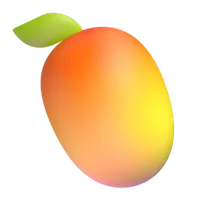 | Mango | Mango | ||
 | Banana | Muz | ||
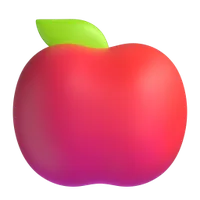 | Apple | Elma | ||
 | Orange | Portakal | ||
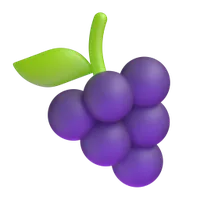 | Grapes | Üzüm | ||
 | Watermelon | Karpuz | ||
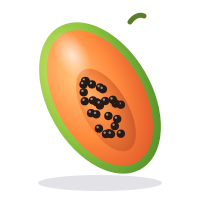 | Papaya | Papaya | ||
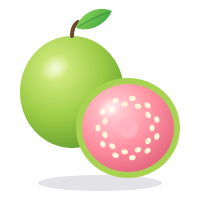 | Guava | Guava | ||
 | Pineapple | Ananas | ||
 | Strawberry | Çilek | ||
 | Cherry | Kiraz | ||
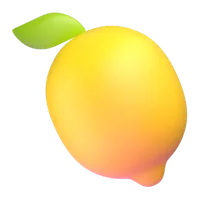 | Lemon | Limon | ||
 | Coconut | Hindistan cevizi | ||
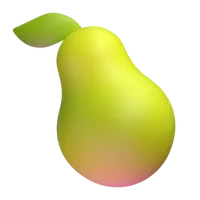 | Pear | Armut | ||
 | Pomegranate | Nar | ||
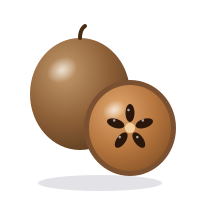 | Sapodilla | Sapodilla | ||
 | Peach | Şeftali | ||
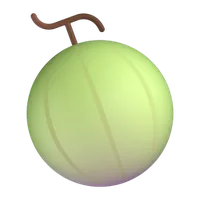 | Muskmelon | Kavun | ||
 | Kiwi | Kivi | ||
 | Green Apple | Yeşil elma | ||
 | Blueberry | Yaban mersini | ||
 | Lime | Misket limonu | ||
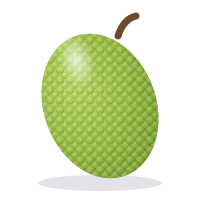 | Jackfruit | Jackfruit | ||
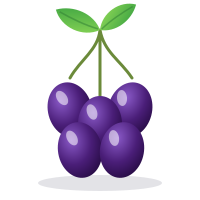 | Java Plum | Jamun | ||
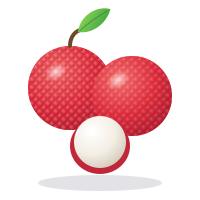 | Lychee | Liçi | ||
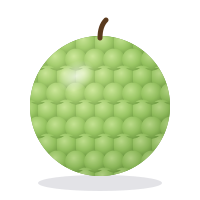 | Custard Apple | Şekerelması | ||
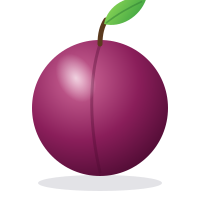 | Plum | Erik | ||
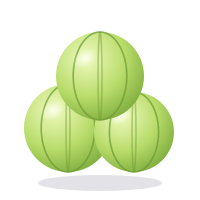 | Indian Gooseberry | Amla | ||
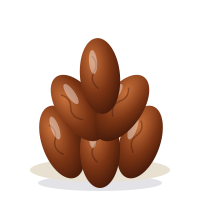 | Dates | Hurma | ||
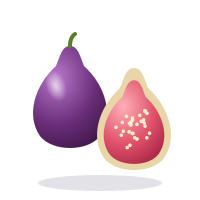 | Fig | İncir |
Fruits name in Turkish is a delicious topic, and Türkiye is a wonderful country to learn it in: it is one of the world's great fruit growers, famous for figs, cherries, apricots and hazelnuts. This page has 30 fruits with pictures and clear audio, from elma (apple), muz (banana) and portakal (orange) to nar (pomegranate), incir (fig) and hurma (dates). Tap a picture to hear the Turkish name, then the English one, and play Find it when your child is ready.
Everyday fruits in Turkish
Start with the fruit bowl: elma, muz, portakal, armut (pear), üzüm (grapes) and limon. These short words are easy for toddlers, and several are on the Turkish alphabet cards: E – elma, L – limon, M – muz, P – portakal, Ü – üzüm. The green apple card is yeşil elma, a neat way to link fruit and colour.
Summer fruits and the pazar
Many Turkish families shop at the weekly street market, the pazar, where sellers call out prices and piles of fruit change with the seasons. Early summer brings çilek (strawberry) and kiraz (cherry); midsummer brings şeftali (peach), erik (plum), and huge karpuz (watermelon) and kavun (melon). Watermelon with white cheese is a classic summer snack. In autumn, look for nar (pomegranate), incir and üzüm. Taking your child to a market, anywhere in the world, and naming each fruit is one of the best vocabulary lessons there is.
Tropical fruits in Turkish
Many tropical fruits keep names close to English, a small gift for families in India or other warm countries: mango, papaya, guava, ananas, kivi. The coconut is Hindistan cevizi, literally "India walnut", a fun fact for Indian families. The lime is misket limonu ("marble lemon") and blueberry is yaban mersini. Some fruits on our cards are rare in Türkiye and keep borrowed names, like jackfruit, jamun and amla.
| Colour | Fruits on this page |
|---|---|
| kırmızı (red) | elma, çilek, kiraz, nar |
| sarı (yellow) | muz, limon, ananas, mango |
| yeşil (green) | kivi, misket limonu, yeşil elma, guava |
| turuncu (orange) | portakal, papaya, şeftali |
| mor (purple) | erik, üzüm, yaban mersini, incir |
One fruit, many fruits
Plurals in Turkish use -ler or -lar, depending on the vowels: elma → elmalar, kiraz → kirazlar, but şeftali → şeftaliler. After a number, the fruit stays singular: iki elma, beş kiraz. Counting fruit is therefore easy; practise with numbers in Turkish.
Fruit games at home
- Fruit bowl Find it. Put three fruits on the table and ask "Armut nerede?" ("Where is the pear?").
- Mystery bag. Hide a fruit in a bag; your child feels it and guesses.
- Taste test. tatlı (sweet) or ekşi (sour)? Try a lemon slice for giggles.
- Market helper. Give your child one fruit to find at the pazar or supermarket.
- Cherry earrings. Hang pairs of kiraz over your child's ears, a favourite summer game in many families.
Worksheet idea: print this page from your browser and let your child colour the fruits they ate this week. There is no PDF, but the page prints cleanly.
What to expect, and tips for families abroad
At 2-3, five fruit names is a great start. At 3-4, children name 10-15 fruits and their colours. At 5-6, many can read short words like muz, nar, erik, elma. Families abroad can make snack time a Turkish moment by offering a choice: "Elma mı istersin, muz mu?" ("Do you want an apple or a banana?"). If your child answers in German or English, repeat the Turkish word warmly and hand over the fruit. Continue with vegetables in Turkish, colours in Turkish or the English and Hindi fruits name page.
Fruits Türkiye is famous for
Türkiye grows a large share of the world's hazelnuts, apricots and figs. Dried apricots from the Malatya region and figs from the Aegean coast are sent all over the world, and Turkish cherries, kiraz, are prized in early summer. The pomegranate, nar, is a traditional symbol of plenty and is often squeezed into fresh juice at street stalls. Share these facts when you eat dried fruit together: children love knowing where their food comes from.
Çocuklar için meyveler
Bu sayfada resimli ve sesli 30 meyve var: elma, muz, portakal, çilek, kiraz, karpuz, incir ve daha fazlası. Bir resme dokunun, çocuğunuz meyvenin adını Türkçe ve İngilizce duysun.
Pazara birlikte gidin, meyvelerin rengini ve tadını konuşun, masada birlikte sayın. Yazın kiraz küpe takın, karpuz kesin. Böylece çocuğunuz hem kelimeleri öğrenir hem de sağlıklı beslenmeyi sever.
How to use this page at home
Say it, then find it
Play for a few minutes, then look for the same thing away from the screen: turkish words on the shelf, in the kitchen, on the way to school. A child learns a word properly when they meet it twice, once on the screen and once in their hand.
Ten minutes is enough
Short and happy beats long and tired. Stop while your child still wants more, and come back tomorrow: the same page on five short days teaches far more than one long sitting. Nothing here is scored, so there is no reason to push.
Use both languages
Tap the language button at the top to hear the words in your home language first and the second language after. Hearing the same picture named in two languages is one of the few things research agrees builds attention as well as vocabulary.