Turkish alphabet chart with pictures
29 letters · tap 🔊 to hear each one.
| Picture | Letter | Word | Meaning | Listen |
|---|---|---|---|---|
 | A | arı | bee | |
 | B | balık | fish | |
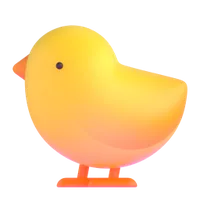 | C | civciv | chick | |
 | Ç | çiçek | flower | |
 | D | dondurma | ice cream | |
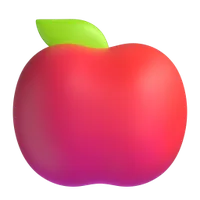 | E | elma | apple | |
 | F | fil | elephant | |
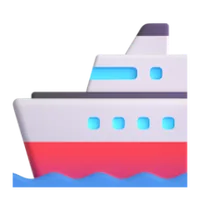 | G | gemi | ship | |
 | Ğ | yağmur | rain | |
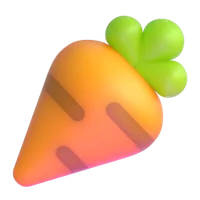 | H | havuç | carrot | |
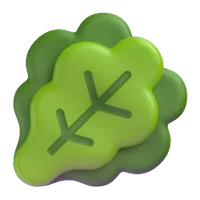 | I | ıspanak | spinach | |
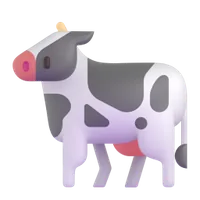 | İ | inek | cow | |
 | J | japon balığı | goldfish | |
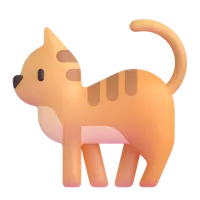 | K | kedi | cat | |
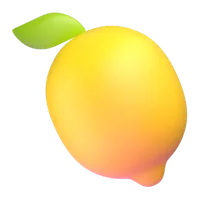 | L | limon | lemon | |
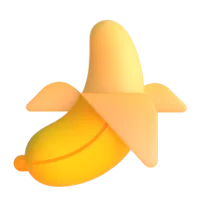 | M | muz | banana | |
 | N | nota | musical note | |
 | O | otobüs | bus | |
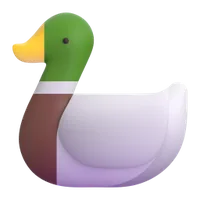 | Ö | ördek | duck | |
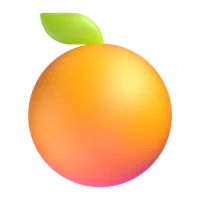 | P | portakal | orange | |
 | R | roket | rocket | |
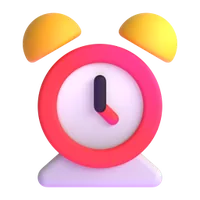 | S | saat | clock | |
 | Ş | şemsiye | umbrella | |
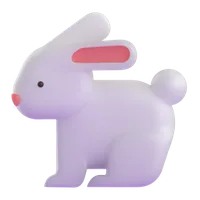 | T | tavşan | rabbit | |
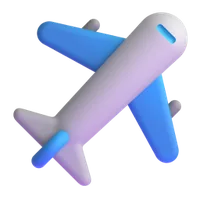 | U | uçak | airplane | |
 | Ü | üzüm | grapes | |
 | V | vapur | ferry | |
 | Y | yıldız | star | |
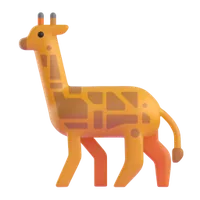 | Z | zürafa | giraffe |
The Turkish alphabet for kids on this page shows all 29 letters the way a child meets them on a classroom chart: one letter, one picture word. A is for arı (bee), B for balık (fish), Ç for çiçek (flower), Ö for ördek (duck) and Z for zürafa (giraffe). Tap any card to hear the letter and its word in clear audio, then play Find it or Memory.
How many letters are in the Turkish alphabet?
There are 29 letters: A B C Ç D E F G Ğ H I İ J K L M N O Ö P R S Ş T U Ü V Y Z. Eight are vowels (a, e, ı, i, o, ö, u, ü) and 21 are consonants. Turkish has no Q, W or X. Since the 1928 alphabet reform, Turkish has used this Latin-based alphabet, designed so that every letter has one sound and every letter is pronounced. For children, that means what you see is what you say.
The special Turkish letters
| Letter | Sound | Picture word |
|---|---|---|
| Ç | "ch" as in "chair" | çiçek (flower) |
| Ş | "sh" as in "ship" | şemsiye (umbrella) |
| C | "j" as in "jam" | civciv (chick) |
| I (dotless) | a short "uh" sound | ıspanak (spinach) |
| İ (dotted) | "ee" as in "see" | inek (cow) |
| Ö | like German ö, lips rounded | ördek (duck) |
| Ü | like German ü, lips rounded | üzüm (grapes) |
| Ğ (soft g) | no sound of its own; lengthens the vowel | yağmur (rain) |
Two points often surprise English speakers. First, Turkish has two "i" letters: dotted İ/i and dotless I/ı, and they are different sounds, even in capitals. Second, the soft g, yumuşak g, never starts a word, so its card uses yağmur, where it stretches the "a" sound. Also note that Turkish C sounds like English "j", so civciv sounds like "jiv-jiv", which children find very funny.
How children in Türkiye learn to read
First graders in Türkiye learn with a sound-based sentence method (ses temelli cümle öğretimi). Instead of learning letters in ABC order, they learn sounds in groups. The first group is e, l, a, k, i, n; the next groups bring in sounds such as o, m, u, t, ü, y. After each sound, children make syllables (el, al, le, la), then words (kel, kal, ekle), then tiny sentences. Because spelling is so regular, many children read simple texts by the middle of first grade.
You can do a mini version at home. Teach e, l, a with the picture cards, then build el (hand) and al (take) with letter magnets. Add k and you can read kek (cake), a delicious first word.
Vowel harmony: a Turkish sound pattern
Turkish vowels like to match. Front vowels (e, i, ö, ü) go with front vowels, back vowels (a, ı, o, u) with back vowels. You can hear it in plurals: kedi → kediler (cats) but balık → balıklar (fish). Children follow this naturally by ear. Older children enjoy sorting the eight vowels into two "families" on the alphabet chart.
Practising the Turkish alphabet at home
- Sound first. Say the sound ("mmm") rather than the letter name ("me") when you blend words.
- Name hunt. Find the first letter of your child's name: E for Elif, Y for Yusuf.
- Dot or no dot? Write ı and i on cards and let your child add or rub out the dot.
- Print this page. The letter chart prints cleanly from your browser as a poster or worksheet. There is no PDF to download.
- Letter walk. Spot letters on shop signs, buses and packets.
Turkish uses many letters that English also has, so bilingual children often switch easily. Our ABCD game, phonics sounds and vowels for kids pages practise English letters in the same calm style.
What to expect by age
At 3-4, children usually recognise the first letter of their name and a few others. At 4-5, most can say the sounds of many letters and hear the first sound in a word like kedi. At 5-6, many blend short words such as el, at, ev, kek. In Türkiye, formal reading begins in first grade, around age 6, so there is no rush. Keep it playful and praise effort. For more games, visit learn Turkish for kids or practise numbers in Turkish.
Çocuklar için alfabe
Türk alfabesinde 29 harf vardır: 8 ünlü ve 21 ünsüz. Bir harfe dokunun, çocuğunuz harfi ve resimli kelimeyi duysun: A – arı, B – balık, Ç – çiçek. Türkçede her harf tek bir sesi gösterir, bu yüzden okumayı öğrenmek kolaydır.
Okulda olduğu gibi önce sesleri öğrenin: e, l, a, k, i, n. Sonra heceler ve kelimeler kurun: el, al, kek. Noktalı i ile noktasız ı harflerini birlikte karşılaştırın.
Yazmak için acele etmeyin. Beş altı yaşında harfleri kumda ya da kâğıtta parmakla çizmek yeterlidir.
How to use this page at home
Say it, then find it
Play for a few minutes, then look for the same thing away from the screen: turkish words on the shelf, in the kitchen, on the way to school. A child learns a word properly when they meet it twice, once on the screen and once in their hand.
Ten minutes is enough
Short and happy beats long and tired. Stop while your child still wants more, and come back tomorrow: the same page on five short days teaches far more than one long sitting. Nothing here is scored, so there is no reason to push.
Use both languages
Tap the language button at the top to hear the words in your home language first and the second language after. Hearing the same picture named in two languages is one of the few things research agrees builds attention as well as vocabulary.