Body parts in Thai: word list with pictures
30 words · tap 🔊 to hear each one in Thai.
| Picture | English | Thai | Say it | Listen |
|---|---|---|---|---|
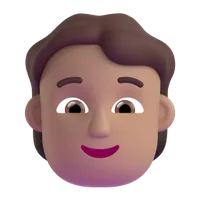 | Head | หัว | hua | |
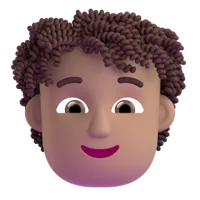 | Hair | ผม | phom | |
 | Face | หน้า | na | |
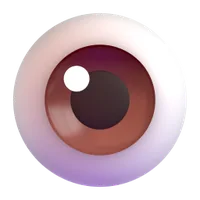 | Eye | ตา | ta | |
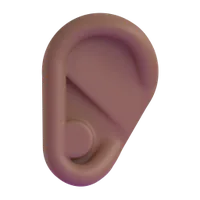 | Ear | หู | hu | |
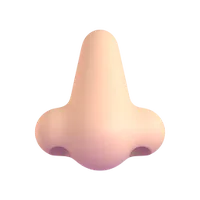 | Nose | จมูก | chamuk | |
 | Mouth | ปาก | pak | |
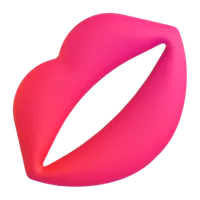 | Lips | ริมฝีปาก | rim fi pak | |
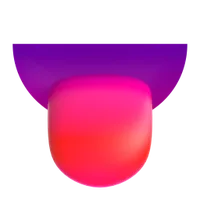 | Tongue | ลิ้น | lin | |
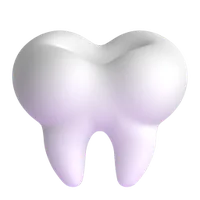 | Teeth | ฟัน | fan | |
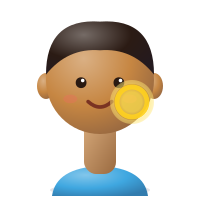 | Cheek | แก้ม | kaem | |
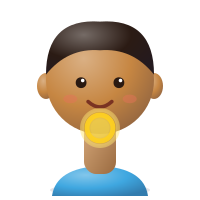 | Chin | คาง | khang | |
 | Neck | คอ | kho | |
 | Shoulder | ไหล่ | lai | |
 | Arm | แขน | khaen | |
 | Elbow | ข้อศอก | kho sok | |
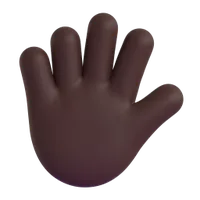 | Hand | มือ | mue | |
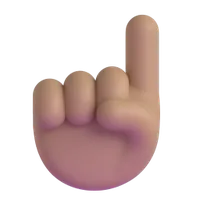 | Finger | นิ้วมือ | nio mue | |
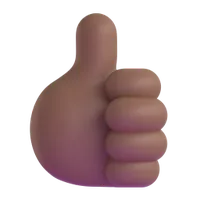 | Thumb | นิ้วโป้ง | nio pong | |
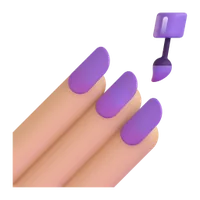 | Nail | เล็บ | lep | |
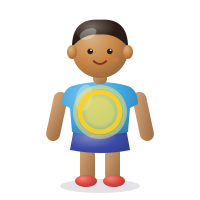 | Tummy | ท้อง | thong | |
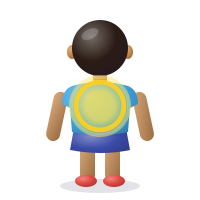 | Back | หลัง | lang | |
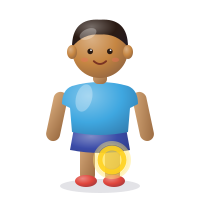 | Knee | เข่า | khao | |
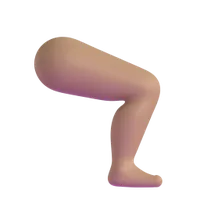 | Leg | ขา | kha | |
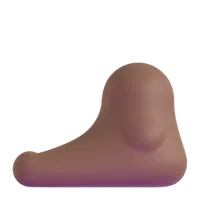 | Foot | เท้า | thao | |
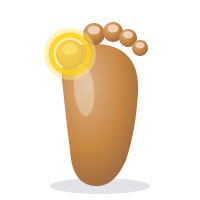 | Toe | นิ้วเท้า | nio thao | |
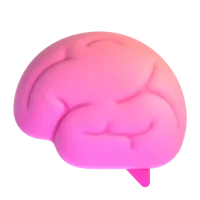 | Brain | สมอง | samong | |
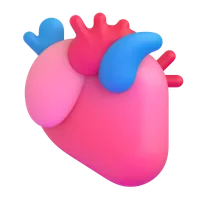 | Heart | หัวใจ | hua chai | |
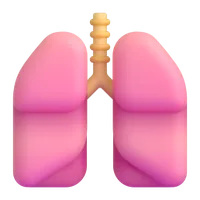 | Lungs | ปอด | pot | |
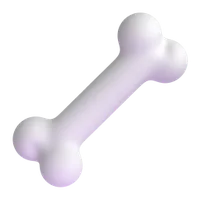 | Bones | กระดูก | kraduk |
Body parts in Thai are perfect first words, because your child can point to every one of them, anywhere. This page has 30 body parts with pictures, romanization and clear audio, from หัว (hua, head) and ตา (ta, eye) down to เข่า (khao, knee) and นิ้วเท้า (nio thao, toes), plus หัวใจ (hua chai, heart) and กระดูก (kraduk, bones). Tap a picture to hear the word in Thai and English, then play Find it and point to the same part on yourselves.
Face words in Thai
Thai face words are short and easy for toddlers: หน้า (na, face), ตา (eye), หู (hu, ear), จมูก (chamuk, nose), ปาก (pak, mouth), ฟัน (fan, teeth), ลิ้น (lin, tongue), แก้ม (kaem, cheek), คาง (khang, chin) and ผม (phom, hair). Many are one syllable, so even a two-year-old can say them. Listen carefully to the tones in the audio and copy them; หู (ear) rises, while ตา (eye) stays level.
Two fun double meanings: ตา means eye and also grandpa (mum's father), and ผม means hair and also "I" when a boy or man is speaking. Children love the joke "ตาของตา", grandpa's eyes.
Head, shoulders, knees and toes in Thai
Thai kindergartens sing the action song as หัว ไหล่ เข่า เท้า (hua, lai, khao, thao): head, shoulders, knees, feet, followed by eyes, ears, mouth and nose. Sing it slowly, touching each part, then speed up until everyone laughs. All the words are in the game, so your child can tap them afterwards and hear each one clearly.
Arms, legs, hands and feet
Going down the body: คอ (kho, neck), ไหล่ (lai, shoulder), แขน (khaen, arm), ข้อศอก (kho sok, elbow), มือ (mue, hand), นิ้วมือ (nio mue, finger), นิ้วโป้ง (nio pong, thumb), เล็บ (lep, nail), ท้อง (thong, tummy), หลัง (lang, back), เข่า (knee), ขา (kha, leg) and เท้า (thao, foot). See the pattern: finger is นิ้วมือ, "hand digit", and toe is นิ้วเท้า, "foot digit". Five-year-olds enjoy spotting these building blocks.
Head and feet: Thai body manners
Body words in Thai come with important manners, and children learn them early:
- The head is special. In Thai culture the head is the highest and most respected part of the body. People avoid touching someone else's head, and adults teach children not to pat friends on the head. The polite word for head is ศีรษะ (sisa).
- Feet are lowest. Thai children learn not to point with their feet, not to put feet on tables, and never to step over food or books.
- The wai uses the hands. Palms together, fingertips near the face, a small bow of the head: สวัสดีครับ or สวัสดีค่ะ.
These are lovely lessons to share with the good manners for kids page, especially for families preparing for a visit to Thailand.
Inside the body
Older children can learn สมอง (samong, brain), หัวใจ (heart), ปอด (pot, lungs) and กระดูก (bones). หัวใจ is literally "head of the mind", and Thai uses ใจ in many feeling words: ดีใจ (happy, "good heart") and เสียใจ (sad, "spoiled heart"). After running, feel the heartbeat together: "หัวใจเต้นตึกตัก" (thump-thump).
Body words in daily routines
| Moment | Say it in Thai | Meaning |
|---|---|---|
| Before eating | ล้างมือ (lang mue) | wash hands |
| After meals and at bedtime | แปรงฟัน (praeng fan) | brush teeth |
| Bath time | สระผม (sa phom) | wash hair |
| A bump or fall | เจ็บตรงไหน? (chep trong nai?) | where does it hurt? |
Head, hand, eyes: quick answers
Head in Thai is หัว (hua), or politely ศีรษะ. Eyes in Thai are ตา (ta). Nose in Thai is จมูก, mouth in Thai is ปาก and ear in Thai is หู. Hand in Thai is มือ (mue) and foot in Thai is เท้า (thao). Hair in Thai is ผม and teeth in Thai are ฟัน, which is also the picture word for the letter ฟ on the Thai alphabet chart.
Teaching tips by age, and body safety
- Age 2-3: five face words and mirror pointing games.
- Age 3-4: the hua lai khao thao song and Find it.
- Age 4-5: Simon Says in Thai: "จับหู" (touch your ears).
- Age 5-6: inside-the-body words and Thai body manners.
Knowing body words also supports body safety: a child who can say ปวดท้อง (my tummy hurts) can tell a trusted grown-up. For children with speech delay, pointing is a full answer, and bilingual kids often mix Thai and English in the song, which is perfectly normal.
For heritage and bilingual families
Bath time is an easy place to keep Thai body words alive, and the head-and-feet manners are worth teaching early if your child visits family in Thailand. The word list above prints from your browser as a body parts chart with romanization; there is no separate PDF. Compare with body parts in Korean or the English body parts name page.
มาเรียนรู้ร่างกายของเรา
ชื่ออวัยวะเรียนได้ทุกที่ ตอนอาบน้ำลองพูดว่า "สระผมนะ ล้างมือนะ ล้างเท้านะ" ลูกจะค่อย ๆ พูดตาม และลองร้องเพลง "หัว ไหล่ เข่า เท้า" พร้อมจับอวัยวะไปด้วย ยิ่งร้องเร็วยิ่งสนุก
สอนลูกเรื่องมารยาทไทยไปพร้อมกัน เช่น ไม่จับหัวคนอื่น ไม่ชี้เท้าใส่ใคร และไหว้ผู้ใหญ่ เมื่อลูกหกล้ม ให้ถามว่า "เจ็บตรงไหน" ลูกจะได้บอกได้ว่าเจ็บที่ไหน การรู้ชื่ออวัยวะช่วยให้ลูกบอกความรู้สึกของตัวเองได้ดีขึ้นค่ะ
How to use this page at home
Say it, then find it
Play for a few minutes, then look for the same thing away from the screen: thai words on the shelf, in the kitchen, on the way to school. A child learns a word properly when they meet it twice, once on the screen and once in their hand.
Ten minutes is enough
Short and happy beats long and tired. Stop while your child still wants more, and come back tomorrow: the same page on five short days teaches far more than one long sitting. Nothing here is scored, so there is no reason to push.
Use both languages
Tap the language button at the top to hear the words in your home language first and the second language after. Hearing the same picture named in two languages is one of the few things research agrees builds attention as well as vocabulary.