Vegetables in Japanese: word list with pictures
30 words · tap 🔊 to hear each one in Japanese.
| Picture | English | Japanese | Say it | Listen |
|---|---|---|---|---|
 | Potato | じゃがいも | jagaimo | |
 | Tomato | トマト | tomato | |
 | Onion | たまねぎ | tamanegi | |
 | Carrot | にんじん | ninjin | |
 | Peas | グリンピース | gurinpiisu | |
 | Cucumber | きゅうり | kyuuri | |
 | Brinjal | なす | nasu | |
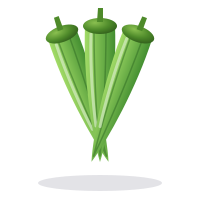 | Okra | オクラ | okura | |
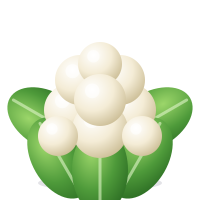 | Cauliflower | カリフラワー | karifurawaa | |
 | Cabbage | キャベツ | kyabetsu | |
 | Bottle Gourd | ゆうがお | yuugao | |
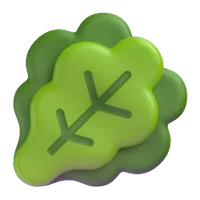 | Spinach | ほうれんそう | hourensou | |
 | Pumpkin | かぼちゃ | kabocha | |
 | Corn | とうもろこし | toumorokoshi | |
 | Capsicum | ピーマン | piiman | |
 | Chilli | とうがらし | tougarashi | |
 | Garlic | にんにく | ninniku | |
 | Ginger | しょうが | shouga | |
 | Broccoli | ブロッコリー | burokkorii | |
 | Mushroom | きのこ | kinoko | |
 | Sweet Potato | さつまいも | satsumaimo | |
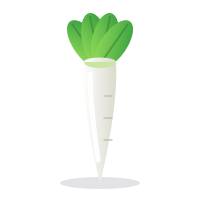 | Radish | だいこん | daikon | |
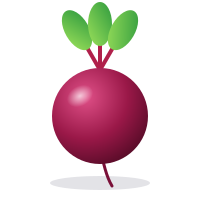 | Beetroot | ビーツ | biitsu | |
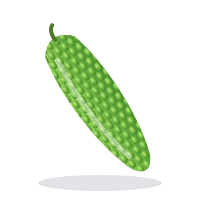 | Bitter Gourd | ゴーヤ | gooya | |
 | Green Beans | いんげん | ingen | |
 | Coriander | パクチー | pakuchii | |
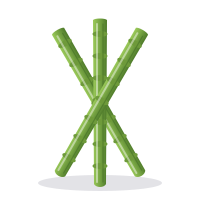 | Drumstick | ドラムスティック | doramusutikku | |
 | Ridge Gourd | とかどへちま | tokadohechima | |
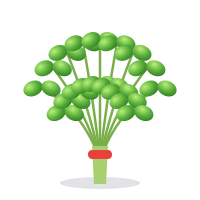 | Fenugreek Leaves | メティ | meti | |
 | Raw Banana | あおい バナナ | aoi banana |
Vegetables name in Japanese is a practical topic for families who cook and shop together: every trip to the supermarket becomes a short Japanese lesson. This page has 30 vegetables with pictures, romaji and clear audio, from にんじん (ninjin, carrot) and じゃがいも (jagaimo, potato) to だいこん (daikon, white radish). Tap a picture to hear it in Japanese and English, then try Find it or Memory with Golu.
First vegetables in Japanese for toddlers
The word for vegetable is やさい (yasai). Begin with vegetables your child sees every week: にんじん (carrot), じゃがいも (potato), たまねぎ (tamanegi, onion, "ball leek"), トマト (tomato), きゅうり (kyuuri, cucumber) and とうもろこし (toumorokoshi, corn). Six words are plenty for a two-year-old. Hold the real vegetable, say the name, and let your child touch and smell it.
Vegetables that feel very Japanese
Some vegetables on this page are at the heart of Japanese home cooking:
- だいこん daikon, the long white radish, goes into miso soup and oden, and is grated onto grilled fish.
- かぼちゃ kabocha, Japanese pumpkin, is sweet and green-skinned. On the winter solstice (とうじ), families eat kabocha for good health.
- さつまいも satsumaimo, sweet potato, is roasted as やきいも (yakiimo) and sold from trucks on cold evenings.
- きのこ kinoko, mushrooms, come in many kinds; きのこ is also a favourite shape for snacks and picture books.
- ほうれんそう hourensou, spinach, is served as a simple side dish with sesame.
Imohori: sweet potato digging at Japanese preschools
Every autumn, Japanese nursery schools take children to a field for いもほり (imohori), sweet potato digging. Children pull up long roots full of purple potatoes, count them, compare big and small, and then roast them. It is one of the most loved events of the year. You can copy the idea with a pot of potatoes on a balcony, or simply by letting your child "dig" potatoes out of a bag of soil at home and naming each one: おおきい さつまいも、ちいさい さつまいも.
Vegetable animals for Obon
In summer, during Obon, many Japanese families make little animals from vegetables called しょうりょううま: a cucumber horse, with chopsticks for legs, so ancestors' spirits can arrive quickly, and an eggplant cow (なす is eggplant) so they can return home slowly. Children love making them, and it is a gentle way to talk about family. Make one together with a cucumber and four toothpicks and name the vegetable and the animal: きゅうりの うま.
Piiman and picky eaters
ピーマン (piiman), the small green pepper, is famous as the vegetable Japanese children most dislike, along with にんじん. Japanese picture books and cartoons even have characters who refuse to eat it. If your child is a picky eater, you are in good company. Try these steps:
- Name the vegetable in Japanese in the game first, with no pressure to eat it.
- Let your child wash or tear it in the kitchen.
- Put one small piece in a bento box next to a favourite food.
- Praise any step, even a sniff or a lick: "がんばったね!" (you tried hard!).
Never force a taste. Seeing and naming a vegetable many times is often what makes a child willing to try it later.
Katakana vegetables and quick answers
Vegetables from abroad are written in katakana and sound close to English: トマト, キャベツ (kyabetsu, cabbage), ブロッコリー (burokkorii), カリフラワー (karifurawaa) and オクラ (okura, okra). Carrot in Japanese is にんじん, potato in Japanese is じゃがいも, onion in Japanese is たまねぎ, cucumber in Japanese is きゅうり, pumpkin in Japanese is かぼちゃ, corn in Japanese is とうもろこし, eggplant in Japanese is なす and mushroom in Japanese is きのこ. The page also includes vegetables common in Indian kitchens, such as bitter gourd (ゴーヤ, from Okinawa) and fenugreek leaves (メティ).
How to teach vegetables in Japanese at home
- Supermarket hunt (age 3+): "にんじんは どこかな?", the same question Golu asks in Find it.
- Colour sort (age 4+): あかい トマト、みどりの ピーマン, linked to colours in Japanese.
- Bento building (age 5+): pack a toy or real bento and name every vegetable in it.
For heritage and bilingual families
Cooking is a natural place to keep Japanese alive at home: a miso soup with daikon, a curry with carrot and potato. The word list above prints from your browser as a vegetables chart with romaji; there is no separate PDF. When vegetables are going well, try fruits in Japanese or compare with vegetables in Chinese.
やさいと なかよく なろう
やさいの なまえは、だいどころで いっしょに おぼえるのが いちばんです。にんじんを あらったり、キャベツを ちぎったり。「これは なに?」「たまねぎ!」と やりとりしながら、さわって、においを かいで、なまえを いってみましょう。
ピーマンや にんじんが にがてな こどもは たくさん います。むりに たべさせなくて だいじょうぶ。なまえを いえたら、さわれたら、それだけで「すごいね!」と ほめてあげてください。あきには おいもほりに でかけて、さつまいもの かずを かぞえるのも たのしいですよ。
How to use this page at home
Say it, then find it
Play for a few minutes, then look for the same thing away from the screen: japanese words on the shelf, in the kitchen, on the way to school. A child learns a word properly when they meet it twice, once on the screen and once in their hand.
Ten minutes is enough
Short and happy beats long and tired. Stop while your child still wants more, and come back tomorrow: the same page on five short days teaches far more than one long sitting. Nothing here is scored, so there is no reason to push.
Use both languages
Tap the language button at the top to hear the words in your home language first and the second language after. Hearing the same picture named in two languages is one of the few things research agrees builds attention as well as vocabulary.